
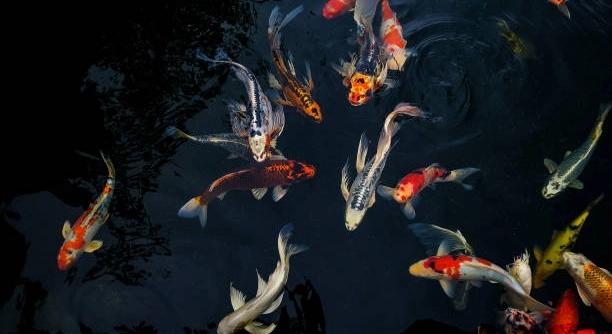
Koi fish can experience stress due to changes in their environment, handling, or health issues. Stress affects their behavior and immune system, making recovery essential. Knowing how to support koi fish after stressful events helps maintain their well-being and longevity.
Helping koi fish recover after stress involves providing optimal water quality, maintaining stable temperature, and reducing disturbances. Supporting their immune system through proper nutrition and monitoring for signs of illness ensures a quicker return to health and reduces mortality risks.
Proper care after stress is crucial for koi fish health. This article explains effective steps to help your koi regain strength and thrive again.
Identifying Stress Signs in Koi Fish
Stress in koi fish can show up in several ways. Common signs include rapid breathing, clamped fins, loss of appetite, and erratic swimming. Sometimes, koi may hide more often or appear lethargic. Changes in water quality, overcrowding, or sudden temperature shifts often trigger stress. Monitoring your koi daily helps catch these signs early, preventing further complications. Stress weakens the immune system, making koi vulnerable to infections or diseases. By recognizing symptoms quickly, you can act before problems worsen. Keep an eye on color changes or any sores developing on the fish’s body. Stress is not always obvious, so attentive observation is key. Maintaining a calm environment supports their recovery and prevents future episodes. Stress signs may vary between individual fish, so understanding your koi’s normal behavior is important. Early detection combined with proper care improves the chances of a full recovery.
Noticing these signs early allows you to take timely action and protect your koi’s health effectively.
Koi fish are sensitive to their surroundings. Fluctuations in water temperature or poor water quality can quickly stress them. Stress suppresses their immune function, leading to illness. Proper filtration and regular water changes help maintain clean water, which reduces stress levels. Avoid overcrowding in the pond to give each koi enough space to swim freely. Adding plants can provide shelter and reduce environmental stress. Sudden loud noises or excessive handling also disturb koi. Handling should be minimized, and if necessary, done gently with wet hands or soft nets. Using water conditioners after water changes helps remove harmful chemicals. Consistent feeding with high-quality food strengthens koi and helps them resist stress better. Balancing these factors creates a stable environment that supports koi well-being and recovery.
Supporting Koi Recovery with Nutrition and Care
A stressed koi fish benefits greatly from a nutritious diet designed to boost immunity and energy. Feeding should be light and frequent during recovery, using easily digestible foods. Vitamins and supplements rich in vitamin C and probiotics support healing. Avoid overfeeding as it can deteriorate water quality and stress the fish further. Observe your koi’s appetite and adjust feeding accordingly. Clean water with proper oxygen levels accelerates recovery. Keeping the pond clean and free of debris reduces bacteria growth that could infect weakened koi. Regular health checks allow early detection of infections or parasites, which can worsen stress effects. Quarantining new or sick fish prevents spreading diseases. Use medication only when necessary, following expert advice to avoid harming beneficial bacteria. Maintaining these care practices helps your koi regain strength steadily and return to normal behavior.
Nutrition and care together create an environment where koi can recover more efficiently and stay healthy long-term.
Managing Water Quality for Recovery
Maintaining excellent water quality is essential for koi recovery after stress. Consistent testing and adjustments prevent harmful conditions that delay healing.
Regular water testing for ammonia, nitrite, nitrate, and pH levels ensures the pond remains safe. Sudden changes in these parameters can stress koi further and encourage infections. Perform partial water changes of about 20-30% weekly to keep toxins low. Avoid complete water changes to preserve beneficial bacteria. Use dechlorinated water or conditioners to remove harmful chlorine and chloramines. Aeration improves oxygen levels, which is crucial for stressed fish. Filters must be cleaned regularly but not too thoroughly to avoid killing good bacteria. Maintaining stable temperature and avoiding rapid fluctuations also supports koi health.
Proper water quality management reduces stress and creates an optimal environment for koi to recover efficiently. Ensuring these factors remain steady is a key step in your koi’s healing process.
Reducing Environmental Stressors
Minimizing noise, sudden movements, and frequent handling reduces stress in koi. These factors can delay recovery and increase vulnerability to disease.
Creating a calm, quiet environment allows koi to rest and heal. Limit pond access to reduce disturbances. Avoid overcrowding and aggressive tank mates. Provide adequate hiding places using plants or decorations to help koi feel secure. Keep feeding times consistent to avoid startling them. Sudden bright lights or shadows should be minimized, as koi are sensitive to changes in their surroundings. Reducing these stressors improves overall pond conditions and encourages koi to regain their health faster. An environment that supports calmness is crucial to successful recovery after stress events.
Monitoring Health After Stress
Regular observation is key to ensuring koi are recovering well. Watch for changes in behavior, appetite, and appearance daily.
Keep a close eye on any wounds or spots that may develop. Early detection of illness allows for quicker treatment and better outcomes.
Using Supplements to Aid Recovery
Supplements such as vitamin C, garlic, and probiotics can strengthen koi immune systems after stress. Vitamin C supports tissue repair and disease resistance. Garlic acts as a natural antibacterial and antiparasitic agent, while probiotics improve digestion and gut health. These supplements should be given in moderation and as part of a balanced diet to avoid overdosing. Using supplements properly enhances the koi’s ability to recover and resist future stressors, leading to a healthier pond environment and longer fish lifespan.
Preventing Future Stress
Maintaining stable pond conditions and proper care routines reduces the chance of recurring stress in koi fish.
FAQ
How long does it take for koi fish to recover from stress?
Recovery time varies depending on the severity of the stress and how well the koi are cared for afterward. Mild stress might only take a few days to a week to recover, while more serious stress or illness could require several weeks. Consistent water quality management, proper nutrition, and minimal disturbance help speed up recovery. Patience is essential because rushing the process can cause setbacks or new health problems.
What are the most common causes of stress in koi fish?
Common causes include sudden changes in water temperature or quality, overcrowding, rough handling, poor diet, and exposure to predators or loud noises. Stress may also result from illnesses or parasites. Keeping the pond stable and minimizing disruptions helps prevent these stressors. Regular maintenance and careful observation reduce the risk of stress-related issues.
Can I use medication to help my koi recover after stress?
Medication should only be used when a specific illness or infection is diagnosed. Overuse or incorrect use of medication can harm the beneficial bacteria in the pond and stress koi further. If you notice signs of disease, consult a veterinarian or experienced koi keeper before administering any treatments. Focus first on improving water quality and reducing environmental stress.
How often should I change the water during koi recovery?
Partial water changes of about 20-30% weekly are recommended to maintain water quality during recovery. Avoid complete water changes as they can disrupt the pond’s beneficial bacteria, which are essential for breaking down waste. Use dechlorinated water or a water conditioner when adding new water. Keeping the water stable and clean supports healing and lowers the risk of secondary infections.
What type of food should I feed koi recovering from stress?
Feed easily digestible, high-quality food designed for koi. Avoid heavy or protein-rich foods during recovery, as koi might have reduced digestion capabilities. Including vitamins, especially vitamin C, and probiotics in their diet can support immune function and gut health. Feed smaller amounts more frequently rather than one large feeding to avoid water pollution and support gradual recovery.
Is it necessary to quarantine stressed koi fish?
Quarantining koi that show signs of stress or illness is a good practice to prevent spreading potential infections to healthy fish. A separate quarantine tank with stable water conditions helps monitor and treat the stressed fish closely. It also reduces their exposure to additional stressors found in the main pond. Quarantine duration depends on the fish’s condition but usually lasts at least two weeks or until fully recovered.
How can I reduce stress caused by handling koi fish?
Handle koi as little as possible. When necessary, use wet hands or soft nets to avoid damaging their protective slime coat. Move them gently and avoid sudden movements. Handling causes significant stress, so it’s best reserved for essential tasks like medical treatment or moving fish. After handling, ensure koi return quickly to a calm and stable environment to recover.
What role does water temperature play in koi stress and recovery?
Koi are cold-water fish, and sudden temperature changes can stress them significantly. Ideal pond temperatures range from 59°F to 77°F (15°C to 25°C). Temperature fluctuations slow metabolism and weaken the immune system. Keeping water temperature stable during recovery supports koi’s natural healing processes. In colder months, koi become less active and eat less, so adjusting care routines accordingly is important.
Can adding plants to the pond help stressed koi recover?
Yes, plants provide shelter and reduce environmental stress by creating hiding places and breaking up light and movement. They also help improve water quality by absorbing excess nutrients. Aquatic plants can reduce algae growth and stabilize oxygen levels. A well-planted pond creates a more natural and less stressful environment, which supports koi health and recovery.
How do I know if my koi has fully recovered from stress?
Signs of full recovery include normal appetite, active swimming behavior, bright coloration, and no visible signs of illness or injury. The fish should respond calmly to feeding and environmental stimuli. Regular monitoring is important because koi can relapse if stressors return. Maintaining good pond care practices helps keep your koi healthy and reduces the risk of future stress episodes.
Final Thoughts
Helping koi fish recover after stress requires careful attention and consistent care. Stress weakens their immune systems and makes them more vulnerable to diseases. The most important step is to maintain stable water quality by regularly testing and making partial water changes. This keeps harmful chemicals like ammonia and nitrites low, which can otherwise cause further harm. Using a good filtration system and keeping the water well-aerated supports healthy oxygen levels that koi need to heal. Keeping the pond environment calm and quiet also reduces additional stress. Avoid loud noises, sudden movements, or overcrowding, as these factors can delay recovery.
Feeding koi properly during recovery plays a crucial role. Stressed koi often lose appetite or struggle to digest heavy foods. Providing easily digestible, high-quality food that includes immune-boosting supplements like vitamin C and probiotics supports their healing process. Feeding smaller portions more frequently helps prevent water pollution and reduces digestive strain. Avoid overfeeding, which can cause excess waste and deteriorate water quality. Monitoring the fish closely for signs of illness, injury, or unusual behavior is necessary to catch problems early. If needed, quarantine affected fish to prevent spreading potential infections and provide targeted care.
Preventing stress before it happens is the best way to keep koi healthy long term. This means keeping pond conditions stable, avoiding sudden changes in temperature or water quality, and minimizing disturbances. Providing hiding places and a well-planted environment helps koi feel secure. Handling should be kept to a minimum and done gently when necessary. With proper care, koi fish can recover fully and continue to thrive in their pond. Consistency and patience are essential throughout the process. Following these practices will support your koi’s health and happiness well beyond recovery.

Hello,
If you enjoy the content that we create, please consider saying a "Thank You!" by leaving a tip.
Every little bit helps us continue crafting quality advice that supports the health, happiness, and well-being of pets around the world, for pets of all shapes, sizes, and species.
We really appreciate the kindness and support that you show us!