
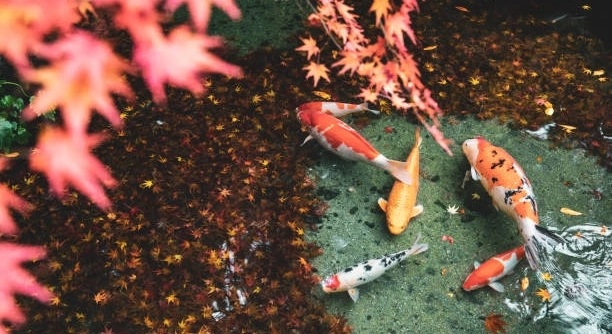
A koi pond can bring calm and beauty to any garden space. Keeping it healthy and balanced ensures your fish thrive and the water stays clear. Many pond owners seek signs that show their pond is in good condition.
A well-balanced koi pond exhibits clear water, healthy fish, stable plants, proper filtration, balanced nutrients, consistent oxygen levels, and minimal algae growth. These elements work together to create a sustainable environment for koi and aquatic life.
Knowing these signs will help maintain a peaceful, enjoyable pond and prevent common problems that affect both fish and water quality.
Clear Water
Clear water is one of the most important signs of a well-balanced koi pond. When the water is clear, it means there is a good balance between the pond’s natural filtration, plants, and fish waste. Clear water allows you to easily see the koi swimming happily beneath the surface. If the water becomes cloudy or murky, it often means something is off balance. This could be due to excess algae, overfeeding, or poor filtration. Regular maintenance like cleaning filters, removing debris, and avoiding overfeeding helps keep the water clean. Healthy aquatic plants also play a role by absorbing nutrients and competing with algae for resources. Overall, clear water shows that the pond environment is stable, making it easier for the koi to stay healthy and stress-free.
Keeping water clear is essential for a thriving koi pond and reflects a well-maintained ecosystem.
Clear water not only looks beautiful but also supports the fish’s health by providing oxygen and reducing harmful bacteria growth. It helps prevent diseases and allows koi to behave naturally. A pond owner should monitor water clarity regularly as part of routine care.
Healthy Fish Behavior
Healthy koi fish show active swimming, bright colors, and natural feeding habits. If the fish appear lethargic, hide often, or lose color, it can indicate pond problems. Observing fish behavior closely helps catch issues early. Healthy fish also stay near the surface or middle layers of water rather than gathering at the bottom. They interact calmly and do not show signs of stress like rubbing against objects or gasping for air.
Healthy fish behavior reflects good water quality, proper feeding, and balanced pond conditions.
It’s important to provide koi with a clean environment, regular feeding with appropriate food, and a stable temperature. Fish that behave naturally are a clear sign your pond supports life well and offers a safe place for koi to thrive. Watching your koi daily can help you quickly identify any changes that might need attention.
Balanced Nutrients
Balanced nutrients in a koi pond prevent excess algae and support healthy plant growth. Too many nutrients can cause green water, while too few can weaken plants.
Nutrients like nitrogen and phosphorus come from fish waste, uneaten food, and decaying plants. Maintaining the right level is key to avoiding algae blooms. Plants absorb these nutrients, helping keep the water clear and clean. Proper filtration and regular water changes also control nutrient levels. Overfeeding fish often leads to too many nutrients, so feeding the right amount is essential.
Balanced nutrients promote a stable environment, supporting both fish and plants. Keeping an eye on nutrient levels helps prevent problems before they start, ensuring your pond remains a peaceful habitat.
Proper Filtration
Filtration removes debris, harmful chemicals, and excess nutrients from the pond water. A good filter keeps the water clear and healthy for koi and plants. Without proper filtration, waste builds up and water quality drops quickly.
There are mechanical filters that trap solid waste and biological filters that use beneficial bacteria to break down harmful substances. Combining both types is the best way to maintain balance. Filters need regular cleaning and maintenance to work well. The size of the filter should match the pond’s volume and fish population. Proper filtration supports oxygen levels and keeps water safe for aquatic life.
Choosing the right filtration system and keeping it maintained are essential steps for a healthy koi pond.
Consistent Oxygen Levels
Oxygen is vital for koi health and beneficial bacteria in the pond. Proper aeration keeps oxygen levels stable throughout the day and night.
Aeration methods like air pumps, waterfalls, or fountains help increase oxygen in the water. Without enough oxygen, fish can become stressed and plants may suffer.
Minimal Algae Growth
Algae growth is normal but should be controlled in a well-balanced pond. Excess algae clouds the water and competes with plants for nutrients.
Maintaining clear water, balanced nutrients, and good filtration keeps algae in check. Regularly removing visible algae helps prevent overgrowth and keeps the pond healthy.
Healthy Plants
Aquatic plants support the pond ecosystem by absorbing nutrients and providing shelter for koi. Healthy plants indicate good water quality and balance.
FAQ
How often should I clean my koi pond filter?
Cleaning your pond filter depends on its type and how many fish you have. Generally, mechanical filters need rinsing every 2-4 weeks to remove debris. Biological filters require less frequent cleaning—about every 2-3 months—to preserve beneficial bacteria. Avoid using harsh chemicals or tap water with chlorine when cleaning, as this can kill helpful bacteria. Regular maintenance keeps the filter working efficiently and the pond water healthy for your koi.
What is the best way to control algae in my koi pond?
Controlling algae starts with balanced nutrients and proper filtration. Avoid overfeeding koi, as leftover food increases nutrients that feed algae. Adding aquatic plants helps compete with algae for those nutrients. You can manually remove algae using a net or algae scrubber. In some cases, UV clarifiers are useful to control green water by killing algae spores. Keeping water moving and aerated also discourages algae growth by reducing stagnant areas.
Can I keep plants and koi fish together?
Yes, koi ponds benefit from having aquatic plants. Plants absorb excess nutrients, improve water quality, and provide shade that helps keep water temperature stable. However, koi often nibble on plants, so it’s best to choose hardy varieties like water lilies or floating plants. Protect delicate plants with barriers if needed. Maintaining a good balance between fish and plants creates a healthier environment for everyone.
How do I know if my koi are stressed?
Signs of stressed koi include lethargy, loss of appetite, clamped fins, hiding, or unusual swimming patterns. They may also show faded colors or rub against objects trying to relieve irritation. Stress can be caused by poor water quality, low oxygen, overcrowding, or sudden temperature changes. Monitoring fish behavior daily helps catch stress early. Addressing water quality and environmental factors quickly reduces risks to your koi’s health.
Is it necessary to add oxygen to my pond at night?
Yes, oxygen levels can drop at night because plants stop producing oxygen without sunlight. Aeration devices like air pumps or waterfalls help keep oxygen stable 24/7. This is especially important in ponds with many fish or plants. Without enough oxygen, koi can become stressed or even suffocate. Running aeration equipment overnight supports fish health and helps beneficial bacteria keep water clean.
How often should I feed my koi?
Feed koi once or twice daily during warm months when they are most active. Only give as much food as they can eat in 5 minutes to avoid leftover waste. During colder months, koi eat less or stop feeding altogether because their metabolism slows down. Adjust feeding based on water temperature and koi behavior. Proper feeding prevents water pollution and keeps koi healthy and vibrant.
What role do beneficial bacteria play in a koi pond?
Beneficial bacteria break down harmful fish waste and organic debris into less toxic substances. This process helps keep ammonia and nitrite levels low, which is vital for koi health. Biological filters house these bacteria and must be maintained gently. Without beneficial bacteria, toxins build up quickly, leading to poor water quality and fish stress. Encouraging bacterial growth supports a balanced and self-sustaining pond ecosystem.
Can I use tap water to fill my koi pond?
Tap water often contains chlorine or chloramine, which are harmful to koi and beneficial bacteria. Always treat tap water with a dechlorinator before adding it to your pond. Using a water conditioner neutralizes these chemicals quickly. It’s important to let new water sit and reach pond temperature before adding fish. This practice protects koi and keeps the pond environment stable.
What is the ideal water temperature for koi ponds?
Koi thrive best in water temperatures between 59°F and 77°F (15°C–25°C). Temperatures outside this range can stress fish or slow their metabolism. In cold climates, ponds should be deep enough to prevent freezing completely. Using pond heaters or aerators can help maintain safe conditions during winter. Stable water temperature supports koi health and normal behavior.
How do I test water quality in my koi pond?
Testing water quality involves checking ammonia, nitrite, nitrate, pH, and oxygen levels. Test kits are available at pet stores or online. Regular testing helps detect issues early, preventing harm to koi and plants. Ideal levels include near-zero ammonia and nitrite, nitrate below 40 ppm, pH around 7 to 8, and sufficient oxygen. Monitoring these parameters guides proper pond care and maintenance.
Final Thoughts
Maintaining a well-balanced koi pond takes regular care and attention. Keeping clear water, healthy fish, balanced nutrients, proper filtration, and enough oxygen are all important parts of a process that helps your pond stay stable. When these elements work together, your koi can live comfortably, and the pond environment stays clean and beautiful. It’s important to watch your pond closely and act quickly when something seems off. Small steps like feeding the right amount, cleaning filters, and checking water quality regularly make a big difference over time.
A balanced pond is not just about the water or fish—it is a complete system that includes plants, bacteria, and the right equipment. Plants provide shelter and help absorb nutrients that might otherwise feed algae. Beneficial bacteria in the filter break down fish waste, keeping toxins low. Proper aeration ensures fish get enough oxygen day and night. All these parts rely on each other, and if one is out of balance, the entire pond can suffer. Learning how to keep these elements in harmony will help you create a peaceful and healthy space for your koi.
Taking care of a koi pond is a rewarding experience, but it requires patience and commitment. Problems don’t always happen overnight, so regular monitoring and maintenance are key to preventing issues before they grow. Every pond is unique, and finding the right balance may take some time. Understanding the basic signs of a healthy pond helps you know what to expect and what to fix when needed. With consistent effort, your koi pond can remain a relaxing and beautiful feature in your garden for years to come.

Hello,
If you enjoy the content that we create, please consider saying a "Thank You!" by leaving a tip.
Every little bit helps us continue crafting quality advice that supports the health, happiness, and well-being of pets around the world, for pets of all shapes, sizes, and species.
We really appreciate the kindness and support that you show us!