
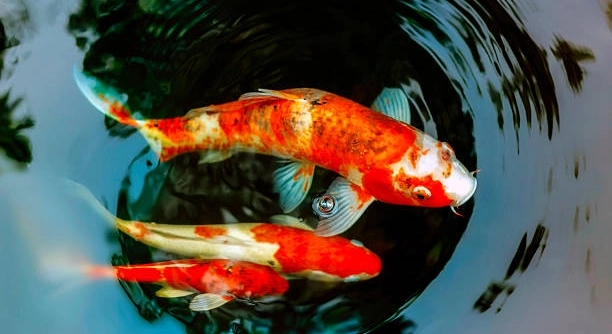
Pale patches on koi skin can be concerning for many fish owners. These changes may indicate a variety of health or environmental issues. Understanding the causes helps in maintaining the well-being of these vibrant fish.
Pale patches on koi skin often result from factors such as poor water quality, nutritional deficiencies, parasitic infections, bacterial diseases, stress, genetic traits, or aging. Identifying the specific cause is essential for effective treatment and care.
Recognizing the reasons behind skin discoloration supports better care and early intervention to keep koi healthy and vibrant for years.
Poor Water Quality
Poor water quality is a common cause of pale patches on koi skin. When the water contains high levels of ammonia, nitrites, or nitrates, it stresses the fish and damages their skin cells. Chlorine or other chemicals in tap water can also irritate the skin. Unbalanced pH levels disrupt the koi’s natural environment, weakening their immune system. Consistently dirty or overcrowded tanks increase the chance of infection and skin issues. Regular water testing and maintenance are essential. Proper filtration and partial water changes help keep water safe. Without these measures, koi are more likely to develop visible skin problems, including pale patches that affect their overall appearance and health.
Maintaining clean water supports koi health and skin condition. Regular monitoring and water changes prevent toxic buildup, reducing skin problems and promoting vibrant coloration.
Using appropriate filtration and testing equipment can maintain stable water conditions. Avoid sudden changes to water chemistry, which can shock the fish and worsen skin issues. Clean tanks with balanced parameters reduce the risk of pale skin and other health concerns.
Nutritional Deficiencies
Nutritional deficiencies in koi diets can cause pale patches. Lack of essential vitamins and minerals weakens the skin and scales. A diet low in carotenoids and other pigments leads to dull, pale coloration. Poor nutrition also lowers the immune system, increasing susceptibility to disease. Feeding koi a varied, balanced diet is critical. High-quality pellets formulated for koi provide the necessary nutrients. Supplementing with fresh vegetables and occasional protein sources improves skin health. Avoid overfeeding, which can pollute water and cause health issues. Proper nutrition supports natural skin pigmentation and overall vitality, helping to prevent discoloration.
A healthy diet rich in vitamins and pigments promotes vibrant skin. Regular feeding with quality koi food prevents pale patches caused by nutrient loss.
Balanced nutrition is key to maintaining koi skin color and strength. Vitamins like A, C, and E support skin repair and immune function. Including natural color enhancers in the diet helps restore lost pigmentation. Regularly reviewing diet and feeding practices ensures koi receive all necessary nutrients for optimal health and appearance.
Parasitic Infections
Parasitic infections often cause pale patches on koi skin. Parasites like flukes, lice, or anchor worms damage the skin by feeding on the fish’s tissues. This causes irritation and discoloration.
Parasites attach to koi skin, causing inflammation and damage that result in pale or white spots. These infections often happen in poor water conditions or when fish are stressed. Treatment usually involves medicated baths or antibiotics, depending on the parasite type. Early detection is important to prevent serious harm and skin deterioration.
Regular inspection and maintaining good water quality reduce the risk of parasites. Quarantining new fish before introducing them to the pond can also prevent the spread of infections among koi.
Bacterial Diseases
Bacterial infections can create pale patches on koi skin due to tissue damage and inflammation. Common bacteria like Aeromonas and Pseudomonas attack weakened skin areas, leading to ulcers or discoloration.
Bacteria thrive in ponds with poor water quality or injury. These infections worsen quickly and can be fatal if untreated. Antibiotics and improved pond conditions are necessary for recovery. Prompt treatment prevents spread and further skin damage. Monitoring fish health closely is critical to managing bacterial outbreaks effectively.
Maintaining cleanliness and promptly removing sick fish help reduce bacterial risks. Balanced pond ecosystems with healthy fish populations resist bacterial infections better.
Stress and Its Effects
Stress weakens koi immune systems, making pale patches more likely. Causes include overcrowding, poor water quality, or sudden environmental changes. Managing stress is key to preventing skin issues.
Reducing stress involves stable water conditions, proper space, and avoiding sudden changes. Calm environments promote koi health and skin vibrancy.
Genetic Factors
Some koi naturally develop pale patches due to their genetics. These markings may appear as part of their color pattern or change with age. Genetics influence skin pigmentation and pattern formation.
Genetic-related pale patches are generally harmless and do not indicate health problems. However, if changes appear suddenly, it may signal another issue. Knowing the koi’s lineage helps distinguish natural variation from illness.
Aging and Skin Changes
As koi age, their skin may naturally lighten or develop pale patches. This is part of the normal aging process, reflecting changes in pigmentation cells.
FAQ
What causes pale patches on koi skin?
Pale patches on koi skin can result from several causes, including poor water quality, nutritional deficiencies, parasitic infections, bacterial diseases, stress, genetics, and aging. Each factor affects the skin differently, so identifying the root cause is important for effective treatment and care.
How does poor water quality affect koi skin?
Poor water quality exposes koi to harmful chemicals and toxins such as ammonia, nitrites, and chlorine. These irritate the skin, weaken the immune system, and cause pale or damaged patches. Maintaining clean, balanced water prevents many skin problems.
Can diet impact koi skin color?
Yes. A lack of essential vitamins, minerals, and pigments in koi food can lead to pale or dull skin. Providing a balanced diet rich in color-enhancing nutrients supports healthy pigmentation and overall fish vitality.
Are parasites a common reason for pale patches?
Parasites such as flukes, lice, or anchor worms frequently cause skin irritation and discoloration. These parasites damage skin cells, leading to visible pale or white spots. Treatment includes medicated baths and improving water quality.
How do bacterial infections cause pale patches?
Bacterial infections damage skin tissue, causing inflammation and ulcers. Bacteria thrive in poor water conditions or on injured skin, leading to pale, discolored areas. Prompt antibiotic treatment and water management help prevent spread.
Can stress really affect koi skin?
Stress significantly weakens koi immune defenses. Factors like overcrowding, sudden changes, or poor water quality cause stress, which can trigger skin discoloration, including pale patches. Reducing stress supports better skin health.
Are some pale patches normal due to genetics?
Yes. Some koi have pale patches naturally because of their genetic makeup. These are usually part of their color pattern and are harmless. However, sudden or spreading pale patches might indicate health issues.
Does aging cause koi skin to change?
Aging koi often experience changes in skin pigmentation. Pale patches can appear as part of the natural aging process. This does not necessarily signal illness but should be monitored for sudden changes.
What steps can I take to prevent pale patches?
Maintain excellent water quality through regular testing and changes. Feed a balanced diet with quality koi food. Avoid overcrowding and reduce stress factors. Quarantine new fish to prevent parasites and infections. Regularly observe koi for early signs of skin changes.
When should I seek veterinary help?
If pale patches worsen quickly, spread, or come with other symptoms like lethargy, loss of appetite, or ulcers, professional advice is necessary. Early diagnosis and treatment improve recovery chances.
Final Thoughts
Pale patches on koi skin are often a sign that something in their environment or health needs attention. These patches may result from various causes, including poor water quality, diet issues, parasites, bacteria, stress, genetics, or aging. Each cause affects the skin in a different way, but they all share the potential to impact the overall well-being of the fish. Recognizing the appearance of pale patches early helps in taking the right steps to improve koi health and prevent more serious problems. Careful observation and regular maintenance are essential parts of keeping koi vibrant and healthy.
Maintaining clean water is one of the most effective ways to reduce the risk of skin problems. Water that is free from harmful chemicals and toxins supports the koi’s immune system and helps their skin stay strong. Alongside good water quality, feeding a balanced diet with essential vitamins and pigments promotes healthy skin color and reduces pale spots caused by nutritional deficiencies. Parasites and bacteria are also common causes of pale patches, especially if the fish are stressed or the pond environment is not ideal. Treating infections early and managing stress through proper space and stable conditions prevents worsening skin damage.
Finally, some pale patches are normal and linked to genetics or aging. These do not usually require treatment but should still be monitored for any sudden changes or additional symptoms. Understanding what is normal for your koi will help you better detect when something is wrong. By paying attention to water quality, nutrition, stress levels, and signs of disease, koi owners can support their fish’s skin health and overall vitality. Consistent care and observation are key to ensuring koi remain beautiful and thrive in their pond environment.

Hello,
If you enjoy the content that we create, please consider saying a "Thank You!" by leaving a tip.
Every little bit helps us continue crafting quality advice that supports the health, happiness, and well-being of pets around the world, for pets of all shapes, sizes, and species.
We really appreciate the kindness and support that you show us!