
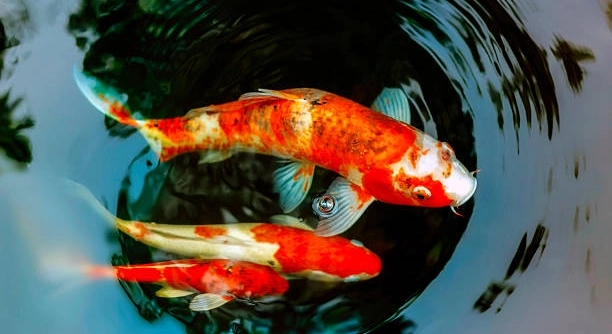
Koi fish are beautiful pets that need good care to stay healthy. When koi get sick, ignoring the illness can cause serious problems for your pond and the fish themselves. Knowing what happens when koi illness goes untreated is important for every koi owner.
Not treating koi illness can lead to severe health deterioration, spreading diseases, and potentially fatal outcomes. It also risks contaminating the entire pond ecosystem, affecting other fish and water quality, which ultimately increases maintenance and repair costs.
Understanding these risks will help you keep your koi healthy and your pond thriving for years to come. This article will explain the key consequences of neglecting koi illness.
Physical Decline in Koi Health
When koi illness is not treated, the fish begin to show clear signs of physical decline. Their scales may lose color and look dull. Fins can become torn or clamped, and the koi might stop swimming actively. They often hide more and lose interest in food. Over time, the illness weakens their immune system, making them vulnerable to other infections. The longer the condition goes untreated, the harder it becomes for koi to recover. This decline not only affects the fish’s appearance but also their overall wellbeing. It’s important to notice early signs and act quickly to avoid irreversible damage. Consistent observation of koi behavior and physical traits can save their lives. Many koi owners underestimate how fast the condition worsens. Treating illness promptly helps maintain vibrant, healthy fish.
Physical decline reduces koi lifespan and lowers their ability to thrive in their environment.
Keeping koi healthy requires timely care to prevent this serious deterioration.
Spread of Disease to Other Fish
Ignoring koi illness puts the entire pond at risk. Diseases can spread quickly from one fish to another through water and contact. If one koi is sick, it can infect others, especially in crowded ponds. This leads to widespread health problems and even deaths among fish. The spread often goes unnoticed until many fish show symptoms, making treatment more difficult and costly. Pond owners may face the loss of multiple fish, and the water quality can worsen due to decaying bodies and increased waste. Preventing disease spread means isolating sick koi and maintaining good pond hygiene. Early diagnosis and treatment are essential to protect all fish. Remember, a healthy pond means a healthier environment for your koi to flourish.
Keeping disease from spreading safeguards all fish and helps maintain a balanced ecosystem.
Increased Stress Levels in Koi
Koi that are sick but untreated experience high stress levels. Stress weakens their immune system even more, making recovery harder.
Stress causes koi to behave differently. They may swim erratically or isolate themselves from others. High stress also reduces their appetite, leading to weight loss and poor nutrition. Over time, this cycle of stress and illness worsens, making it difficult for koi to heal naturally. Stress can also make them more susceptible to parasites and secondary infections. Managing stress is essential to support koi health during illness. Providing clean water, proper nutrition, and reducing environmental stressors can help koi fight off sickness more effectively.
By lowering stress, koi have a better chance to regain strength and return to normal activity.
Water Quality Deterioration
Untreated koi illness often leads to worsening water quality in the pond. Sick fish produce more waste, and decaying tissue from dead or dying koi releases harmful substances. These factors increase ammonia, nitrite, and nitrate levels, which are toxic to fish. Poor water quality stresses all pond inhabitants and can trigger additional health problems. Maintaining proper filtration and regular water changes is crucial when illness occurs. If water conditions are not managed, the pond environment becomes unhealthy and unsafe for koi and other aquatic life.
This cycle of poor water quality and illness can escalate quickly. The longer treatment is delayed, the harder it becomes to restore the pond’s balance. It is important to monitor water parameters closely during koi illness and act fast to prevent long-term damage. Clean, balanced water helps speed recovery and keeps the pond safe for all fish.
Financial Costs Increase
Ignoring koi illness can lead to higher expenses. Treating advanced disease is more costly than catching it early.
Replacing lost fish and fixing damaged pond equipment adds to the financial burden. Preventive care saves money over time.
Impact on Pond Ecosystem Balance
Koi illness disrupts the pond’s natural balance. Sick fish produce more waste, affecting water quality. This harms beneficial bacteria that keep the pond healthy. Algae growth may increase, making the water murky and reducing oxygen levels. Other aquatic life, like plants and insects, can also suffer from these changes. Maintaining a healthy koi population helps keep the entire pond ecosystem stable and thriving.
Emotional Toll on Owners
Watching koi suffer can be very upsetting. Owners often feel helpless when their fish get sick.
Risk of Permanent Damage
Untreated koi illness can cause lasting harm, such as fin rot or organ failure.
What are the common signs that my koi might be ill?
Common signs of koi illness include changes in behavior and appearance. You might notice your koi swimming less, hiding, or isolating themselves from other fish. Physical signs include dull or faded colors, torn or clamped fins, visible wounds or ulcers, and unusual growths or spots on their bodies. Loss of appetite is another warning sign. Sometimes koi may gasp at the water surface or scratch themselves against objects. Early detection is key to preventing serious illness, so observing your fish daily helps catch problems before they worsen.
How quickly should I act if I notice signs of illness?
You should act immediately if you notice any signs of illness. Delaying treatment allows diseases to worsen and spread. Prompt action includes isolating sick fish, testing water quality, and consulting a professional or using appropriate treatments. Quick response improves the chances of full recovery and protects other fish in your pond.
Can untreated koi illness affect other animals in my pond?
Yes, untreated koi illness can affect other pond animals. Many diseases are contagious and spread through water. Sick koi release pathogens that can infect other fish, amphibians, or even beneficial pond organisms. This can disrupt the pond’s ecosystem, harming more than just the koi. Maintaining healthy water conditions and isolating sick fish helps protect all pond life.
What are the risks of not treating koi illnesses early?
Not treating koi illnesses early increases the risk of severe health decline, death, and disease spreading through the pond. Early stages of disease are easier to manage. Ignoring symptoms can lead to irreversible damage, including organ failure and permanent fin damage. It also makes treatment more difficult and expensive.
How does poor water quality worsen koi illness?
Poor water quality stresses koi, lowering their immune defenses and slowing recovery. High levels of ammonia, nitrites, and nitrates from waste and decaying fish worsen illness symptoms. Dirty water can also harbor harmful bacteria and parasites that increase infection risk. Keeping water clean with filtration and regular changes supports healing.
Are there natural remedies I can use to treat koi illness?
Some natural remedies, like aquarium salt baths or herbal treatments, may help mild koi illnesses or support overall health. However, these methods are not always effective for serious infections. It’s important to identify the specific illness before treatment. For bacterial or parasitic diseases, proper medication is usually necessary. Consulting a vet or koi expert is recommended before using any treatment.
How can I prevent koi illnesses in the first place?
Prevention includes maintaining good water quality, providing a balanced diet, avoiding overcrowding, and monitoring fish regularly. Quarantining new fish before adding them to the pond prevents disease introduction. Proper filtration and regular pond cleaning reduce harmful bacteria buildup. Stress reduction by providing shelter and stable conditions also keeps koi healthy.
Is it safe to treat sick koi in the main pond?
Treating sick koi directly in the main pond can be risky because medications might harm beneficial bacteria or other aquatic life. It’s often safer to move sick fish to a separate quarantine tank for treatment. This protects the pond ecosystem and allows for closer monitoring of the sick koi’s progress.
What should I do if my koi do not improve after treatment?
If koi do not improve after treatment, reassess the diagnosis and water quality. Some diseases require different medications or longer treatment times. Consult a veterinarian or koi specialist for advice. Sometimes, secondary infections or environmental factors hinder recovery, so addressing those is also necessary.
Can koi illness return after treatment?
Yes, koi illness can return if the underlying cause is not fixed. Poor water quality, stress, or introduction of new infected fish can cause reinfection. Maintaining healthy pond conditions and regular monitoring reduces the chance of illness returning. Consistent care is essential for long-term koi health.
When koi get sick and the illness is not treated, the problems can become much worse than expected. The fish’s health will continue to decline, and the sickness can spread to other fish in the pond. This causes a bigger issue that is harder to fix. Many koi owners do not realize how quickly an untreated illness can damage their fish and their pond environment. Taking the time to watch for early signs of sickness and acting on them right away is very important. This helps protect the koi and keeps the pond healthy. It is always better to treat a problem early than to wait until it gets serious.
In addition to the fish themselves, untreated koi illness can cause harm to the whole pond. Sick fish produce more waste and toxins that lower water quality. This can make the water unsafe not only for koi but for other animals and plants living in the pond. Poor water quality also makes the pond harder to maintain. The extra cleaning and repairs needed after an illness outbreak can be expensive and time-consuming. Many koi owners are surprised by these hidden costs. Keeping the pond clean and balanced is easier and less costly when illnesses are treated quickly. This also means the pond stays a nice place to enjoy.
Finally, caring for koi is about more than just keeping fish alive. It’s about helping them live well and thrive. When illness is ignored, the emotional stress on koi owners can grow too. Watching fish suffer or lose their color and activity is upsetting. The best way to avoid this is to stay alert and respond to health issues as soon as they appear. Learning about common koi illnesses and how to prevent them will help owners feel confident in managing their pond. Taking action early supports the health and happiness of koi and creates a peaceful, beautiful pond environment for everyone to enjoy.

Hello,
If you enjoy the content that we create, please consider saying a "Thank You!" by leaving a tip.
Every little bit helps us continue crafting quality advice that supports the health, happiness, and well-being of pets around the world, for pets of all shapes, sizes, and species.
We really appreciate the kindness and support that you show us!