
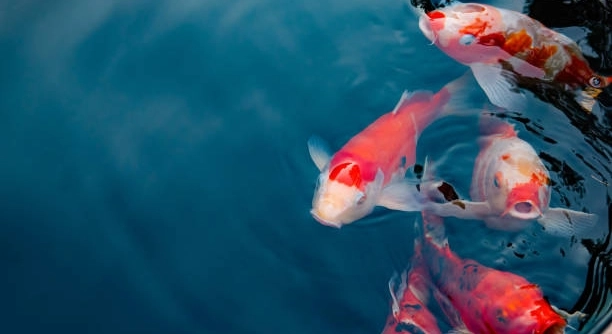
Koi fish are popular in ponds for their beauty and calm nature. Sometimes, koi can face stress or harm from other fish. Knowing how to spot bullying helps keep your koi healthy and happy.
Koi bullying is identified by physical signs such as torn fins, missing scales, and persistent chasing or nipping by other fish. Behavioral changes like hiding or reduced feeding also indicate social stress within the pond environment.
Recognizing these signs early helps maintain a peaceful pond and promotes the well-being of your koi fish over time.
Signs of Physical Bullying in Koi
Physical bullying among koi often shows up as visible damage to their bodies. You might notice torn fins, missing scales, or red marks from bites. These injuries usually happen when one or more fish repeatedly nip or chase another. Sometimes, bullying leads to infections if wounds are left untreated. Watching your koi closely during feeding time or when they swim near hiding spots can reveal who is being picked on. If you see one fish always running away or hiding, it’s a strong indicator bullying is happening. Physical signs are the clearest evidence that your koi need help. Regular checks help catch these problems early before injuries worsen or become infected. It’s important to keep your pond clean to support healing and reduce stress. A healthy environment lowers aggression and encourages peaceful behavior among the fish. Spotting these signs early can save your koi from serious harm.
Watching for torn fins or missing scales helps catch bullying before it gets worse.
Keeping a close eye on koi behavior and appearance allows you to intervene quickly, improving their health and pond harmony.
Behavioral Changes Indicating Stress
When koi are bullied, their behavior changes noticeably. The affected fish may hide more often or avoid feeding times. They might swim slowly or stay in corners, trying to escape aggressive fish. These shifts in activity show that the fish is stressed or frightened. Sometimes, bullied koi will lose their appetite, which affects their overall health. Stress from bullying can weaken their immune system, making infections more likely. Observing koi regularly helps you notice these subtle signs early. Creating more hiding spots or rearranging the pond layout can reduce bullying by giving shy fish places to feel safe. Adding plants or decorations creates natural barriers that limit aggressive chasing. Addressing these behavioral signs quickly improves your koi’s well-being and keeps the pond environment calm. Understanding how koi act when stressed is key to preventing long-term problems.
Koi that avoid food and hide frequently are likely feeling stressed or threatened by others in the pond.
Preventing Koi Bullying
Keeping koi bullying under control starts with proper pond management. Avoid overcrowding, as too many fish increase stress and aggression. Providing plenty of space and hiding spots helps shy fish feel secure. Also, maintain good water quality to reduce irritability.
A balanced diet reduces competition during feeding, which often sparks bullying. Feed smaller amounts more frequently to ensure all koi get their share without fighting. Introducing new koi slowly can prevent sudden shifts in social order. Regularly observe interactions to catch early signs of bullying and act quickly. Adjusting the pond layout or separating aggressive fish can help restore peace.
Environmental enrichment is important. Plants, rocks, and other decorations break lines of sight and create safe zones. This reduces chasing and gives bullied koi places to rest. A calm pond encourages healthier social behavior and lowers stress for all fish.
When to Separate Bullied Koi
Separation is necessary if bullying causes serious injury or ongoing stress. Constant chasing or biting can weaken a koi, making it vulnerable to disease. If a fish hides excessively or stops eating, it may need a quiet, isolated tank to recover.
Temporary separation helps bullied koi heal physically and mentally. Provide gentle water flow, consistent temperature, and soft lighting to reduce stress. Monitor recovery closely and reintroduce the fish carefully, observing interactions. Sometimes permanent separation is best if aggression continues. Keeping your koi safe means balancing their social needs with individual well-being. This step can save lives and improve the pond’s overall health.
Identifying Aggressive Koi
Aggressive koi often show dominance by chasing or nipping other fish. They may patrol the pond, guarding certain areas or food. Recognizing these behaviors early helps prevent bullying from escalating.
Aggressive fish tend to be larger and more active. Watching how koi interact during feeding or swimming can reveal which fish cause stress.
Adjusting Pond Conditions
Changes in pond temperature or water quality can increase koi aggression. Keeping stable conditions reduces stress and lowers bullying risks. Regular testing and maintenance are essential for a peaceful environment.
Feeding Tips to Reduce Aggression
Feed koi in several small portions instead of one large meal. This decreases competition and helps bullied fish eat safely. Consistent feeding routines create less tension among pond residents.
FAQ
How can I tell if my koi are being bullied?
Look for physical damage like torn fins, missing scales, or red marks. Also, notice if some koi hide more, avoid feeding, or swim slowly. These signs show stress caused by aggressive fish. Consistent chasing or nipping is a clear behavior that points to bullying.
What causes koi bullying?
Bullying often happens when ponds are overcrowded or lack hiding spots. Poor water quality and sudden changes in the environment also increase stress and aggression. Feeding habits and social hierarchy shifts when adding new fish can trigger bullying.
How can I stop koi bullying?
Reducing the number of fish or giving them more space helps. Add plants, rocks, or decorations to create hiding spots and break up lines of sight. Feed small amounts more often to avoid competition. Sometimes separating aggressive koi is necessary to restore peace.
Is it normal for koi to chase each other?
Some chasing is natural as koi establish their social order. But persistent chasing or biting that causes injury is not normal and should be addressed. Healthy koi coexist peacefully once hierarchy settles.
What should I do if a koi is injured?
Isolate the injured koi in a separate tank or pond with clean, calm water. Treat wounds with aquarium-safe antiseptics if needed. Monitor closely for infection and allow time to heal before reintroducing.
Can water quality affect koi behavior?
Yes, poor water quality causes stress, which can increase aggression and bullying. Regularly test water for ammonia, nitrites, nitrates, and pH. Perform water changes and maintain filtration to keep conditions stable.
How many koi should I keep in my pond?
A good rule is at least 250 gallons per adult koi to prevent overcrowding. Overcrowding raises stress and aggression. Make sure your pond size matches the number of fish to reduce bullying.
Will new koi cause bullying?
Introducing new koi can disrupt social balance and lead to bullying until a new hierarchy forms. Add new fish slowly and watch for aggressive behavior. Providing hiding places helps new koi feel safe.
Can certain koi breeds be more aggressive?
Some koi are naturally more dominant due to size or personality, but bullying depends more on pond conditions than breed. Managing the environment and fish numbers is more effective than choosing specific breeds to reduce aggression.
How long does bullying behavior last?
Bullying can last days or weeks depending on fish personalities and pond setup. Early intervention and adjustments can shorten this period. If bullying persists, separating fish may be necessary for health and safety.
Is it possible for bullied koi to recover fully?
Yes, with proper care, healing, and a safe environment, bullied koi can recover both physically and mentally. Reducing stress and preventing further aggression are key to a full recovery.
What are signs of stress besides bullying?
Stress signs include lethargy, loss of appetite, clamped fins, and gasping at the surface. These may result from bullying, poor water quality, or illness. Observing koi regularly helps identify problems early.
Can changing pond decorations help?
Yes, rearranging plants, rocks, or hiding spots can break aggressive patterns by limiting sight lines and giving bullied koi places to escape. This simple step often reduces bullying significantly.
Should I consult a vet for bullied koi?
If injuries worsen or koi show signs of infection, a vet specializing in fish can provide treatment advice. Serious wounds or persistent stress might need professional care.
What else can I do to keep koi peaceful?
Maintain good water quality, provide ample space, feed properly, and monitor behavior closely. Creating a calm, balanced environment supports the well-being of all koi and reduces bullying risk.
Koi are beautiful and peaceful fish that bring calm to any pond. However, like many animals, they can sometimes face bullying from others in their group. Bullying can cause physical harm and stress, which affects a koi’s health and happiness. It is important to watch your koi closely and understand the signs of bullying so you can help them. Recognizing torn fins, missing scales, or a fish hiding often can alert you that something is wrong. Taking care of these issues early can prevent more serious problems later.
Keeping your pond in good condition plays a big role in preventing koi bullying. Overcrowding or poor water quality can increase stress and cause fish to act aggressively. Providing enough space for each koi and adding plants or decorations gives shy fish places to hide and feel safe. Feeding your koi properly, with smaller amounts spread throughout the day, also reduces competition and fighting. Sometimes, separating an aggressive fish or injured koi is necessary to keep peace in the pond. These steps help create a calm environment where all your koi can thrive.
Remember, koi need patience and care to stay healthy. Watching how they behave and taking action quickly when bullying happens improves their quality of life. A peaceful pond is better for both the fish and the people who enjoy watching them. By managing the environment and treating your koi kindly, you can help prevent bullying and keep your pond a relaxing place. Caring for koi means paying attention to their needs and making small changes that make a big difference over time.

Hello,
If you enjoy the content that we create, please consider saying a "Thank You!" by leaving a tip.
Every little bit helps us continue crafting quality advice that supports the health, happiness, and well-being of pets around the world, for pets of all shapes, sizes, and species.
We really appreciate the kindness and support that you show us!