
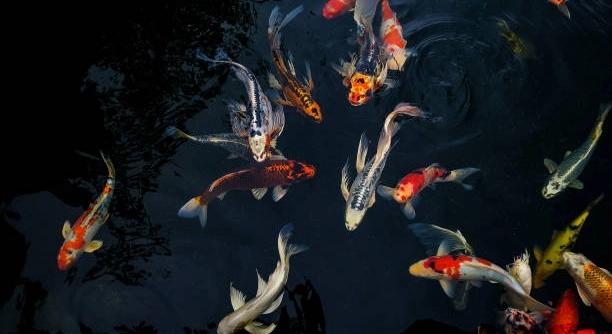
Koi fish are popular for their beauty and peaceful nature. Many owners enjoy watching their koi grow and thrive in their ponds. Sometimes, koi suddenly stop growing, which can be concerning for caretakers.
Koi may stop growing due to several reasons, including poor water quality, inadequate nutrition, illness, stress, overcrowding, genetic factors, or changes in their environment. Each of these factors can impact koi health and growth rates significantly.
Understanding these reasons will help you care for your koi better and support their growth over time. This article explains the main causes behind sudden growth stops in koi fish.
Poor Water Quality
Water quality plays a huge role in koi growth. If the water has too many toxins, like ammonia or nitrites, koi can get sick and stop growing. High levels of waste or uneaten food cause these toxins to build up quickly. Also, if the water temperature changes suddenly or stays too cold for too long, koi metabolism slows down, which affects their growth. Regular testing and cleaning help keep the water safe. Proper filtration and partial water changes are important to maintain good water conditions. When water is clean and stable, koi feel comfortable and can focus energy on growing. Neglecting water quality can lead to stress and health problems that stop growth altogether. Many koi owners don’t realize how sensitive koi are to water changes, so keeping water stable is key to healthy, growing fish.
Poor water quality can stunt growth and weaken koi immune systems.
Maintaining balanced water chemistry supports koi health and growth. Use test kits regularly to monitor ammonia, nitrite, nitrate, pH, and temperature. If any levels are off, act quickly by changing water or adjusting filtration. Keep the pond clean and avoid overfeeding, which creates excess waste. Good water conditions help koi stay active and healthy, encouraging steady growth throughout the seasons.
Inadequate Nutrition
Koi need the right balance of nutrients to grow well. Feeding them poor-quality food or not enough can slow their development. A diet low in protein, vitamins, or minerals won’t support strong growth. Also, overfeeding can cause water quality problems that indirectly affect growth. Koi need a diet designed specifically for them, with protein levels around 30-40%. Fresh vegetables and occasional treats like worms can help provide variety. Feeding small amounts multiple times a day is better than one large meal. It keeps koi digestion efficient and reduces waste in the pond. Paying attention to their diet ensures koi get what they need to grow big and healthy.
Proper nutrition is essential for koi to reach their full growth potential.
Feeding koi balanced, high-quality food improves their energy, immune function, and growth rate. Avoid cheap pellets with fillers and instead select trusted brands formulated for koi. Seasonal changes also affect feeding amounts and types—koi eat less in cold weather but need more protein in spring and summer. Regularly adjusting diet helps koi maintain steady growth throughout the year.
Illness and Disease
Illness can cause koi to stop growing suddenly. Infections, parasites, or bacterial diseases weaken their bodies. Untreated health issues slow metabolism and stunt growth.
Koi are vulnerable to various diseases such as dropsy, fin rot, and ich. Parasites like flukes and worms can also cause stress and prevent normal growth. Sick koi may lose appetite or hide, signaling a problem. Early detection and treatment are essential to help koi recover and resume growing. Regular observation and quarantine of new fish reduce the risk of spreading illness. Keeping the pond clean and maintaining proper water quality helps prevent many diseases.
When koi get sick, their immune system focuses on fighting infection rather than growth. Using appropriate medications and consulting a vet or koi expert ensures a better chance of full recovery. Prevention is always easier than cure, so regular health checks are important for growing koi.
Stress and Overcrowding
Stress impacts koi growth by increasing cortisol levels, which slows development. Overcrowded ponds cause competition for food and space, stressing koi.
Too many fish in a small pond create poor water quality and limited oxygen. This environment forces koi to fight for resources, weakening their health and growth. Koi need enough space to swim freely and avoid constant stress. Providing adequate filtration and regular water changes helps keep oxygen high and toxins low. Reducing the number of fish or enlarging the pond can improve conditions significantly. A calm, spacious pond encourages koi to eat well and grow steadily without stress-related setbacks.
Genetic Factors
Some koi simply have slower growth rates due to their genetics. Not all koi grow at the same speed or reach the same size.
Genetics influence how large and how fast koi grow. Breeding lines and hereditary traits can limit growth potential regardless of care.
Environmental Changes
Sudden changes in environment, like new ponds or temperature shifts, can stress koi. This stress can slow or stop growth temporarily.
Inconsistent Feeding
Feeding koi irregularly or skipping meals can cause uneven growth. Consistency in feeding helps maintain steady development and health.
FAQ
Why has my koi suddenly stopped growing?
Koi growth can slow or stop due to many reasons such as poor water quality, illness, stress, or improper diet. Changes in temperature or overcrowding also impact growth. It’s important to check water parameters, observe koi behavior, and review feeding routines to find the cause.
How often should I test my pond water?
Testing water at least once a week is ideal, especially for ammonia, nitrites, nitrates, pH, and temperature. Regular checks help catch issues early before they affect koi health or growth.
Can poor water quality really stunt koi growth?
Yes. High toxin levels or unbalanced water conditions cause stress and illness in koi. When koi use energy fighting poor conditions, growth slows down or stops.
What is the best diet for koi growth?
A high-protein diet (around 30-40%) designed for koi is best. Feeding small amounts multiple times a day helps digestion and reduces waste buildup. Supplements like vegetables or live treats can add variety and nutrition.
How do I know if my koi is sick?
Signs include lethargy, loss of appetite, unusual swimming, visible spots or sores, and clamped fins. Early detection and treatment improve recovery chances.
Can overcrowding affect growth?
Definitely. Overcrowding causes competition for food and oxygen, increasing stress. Stressed koi have slower growth and are more prone to illness.
Does temperature affect koi growth?
Koi metabolism depends on temperature. In cold water, metabolism slows and growth halts. Warmer, stable temperatures encourage steady growth.
Can genetics limit koi size?
Yes. Some koi grow slower or smaller due to hereditary traits. Even with perfect care, genetics can cap their maximum size.
Should I quarantine new koi?
Quarantining new fish prevents introducing diseases to your pond. This protects your current koi from illness that could affect growth.
How can I reduce stress in my pond?
Keep water clean, provide enough space, avoid sudden changes, and feed regularly. Calm conditions promote health and growth.
What treatments are safe for sick koi?
Use medications specifically made for koi and follow instructions carefully. Consulting an expert before treatment is recommended to avoid harming fish or beneficial bacteria.
How long does it take for koi to start growing again after stopping?
Recovery time varies. Once the issue is fixed—like better water or nutrition—growth may resume in weeks. Ongoing good care is needed to maintain progress.
Is it normal for koi growth to slow in winter?
Yes. Koi naturally slow down or stop growing in cold months. This is due to reduced metabolism and lower food intake.
Can feeding too much harm koi growth?
Overfeeding creates water quality problems, stressing koi and slowing growth. Feed only what koi can eat in a few minutes and remove excess food.
Koi fish are beautiful and rewarding to keep, but their growth can sometimes slow down or stop unexpectedly. Many factors can cause this, including water quality, nutrition, illness, stress, and even genetics. Understanding these reasons helps you take better care of your koi and support their healthy development. Paying close attention to your pond environment and your fish’s needs will make a big difference in keeping your koi happy and growing.
Good water quality is one of the most important things for koi growth. Testing water regularly and making sure toxins like ammonia and nitrites stay low prevents health problems. A clean and balanced pond keeps koi comfortable and able to grow. Nutrition also plays a major role. Feeding your koi a balanced diet made for their needs gives them the energy and nutrients they require. Overfeeding or feeding low-quality food can cause problems with water and growth, so it’s important to feed the right amounts of good food.
Stress and illness can quickly stop koi growth, so it’s important to watch your fish closely. Illness should be treated early, and stressful conditions like overcrowding or sudden environmental changes should be avoided. Even genetics affect how koi grow, so some fish may naturally grow slower or stay smaller than others. By keeping the pond clean, feeding well, and watching for signs of health problems, you can help your koi reach their full potential and enjoy a long, healthy life.

Hello,
If you enjoy the content that we create, please consider saying a "Thank You!" by leaving a tip.
Every little bit helps us continue crafting quality advice that supports the health, happiness, and well-being of pets around the world, for pets of all shapes, sizes, and species.
We really appreciate the kindness and support that you show us!