
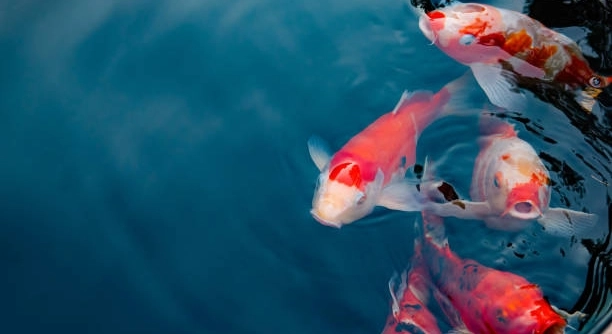
Koi breeding can be a rewarding hobby for many fish enthusiasts. Success depends on careful attention to several important details. This article highlights seven key factors that improve breeding outcomes.
Achieving successful koi breeding requires managing water quality, selecting healthy parent fish, maintaining proper temperature, providing adequate nutrition, ensuring suitable spawning conditions, preventing disease, and monitoring growth closely. Each factor plays a crucial role in optimizing breeding results.
Understanding these essentials will help you create the best environment for your koi to thrive and reproduce healthily over time.
Water Quality Management
Water quality is the foundation of successful koi breeding. Clean, well-oxygenated water helps maintain fish health and encourages spawning. It is important to regularly test parameters like pH, ammonia, nitrite, and nitrate levels. Ideal pH should be between 7.0 and 8.0, and ammonia and nitrites must be near zero to avoid stress. Frequent partial water changes help keep toxins low and oxygen levels high. Filtration systems should be efficient but gentle to prevent harm to delicate koi fry. Temperature consistency is also essential, as sudden fluctuations can disrupt breeding cycles. Monitoring these factors daily can prevent many common problems that reduce breeding success.
Proper water quality supports koi health and encourages spawning behavior naturally.
Maintaining optimal water conditions requires attention but pays off by reducing disease risks and promoting healthy development. If water quality is poor, koi may become weak or fail to breed, resulting in lost effort and time. Using quality test kits and reliable filtration helps maintain a stable environment. Aeration ensures sufficient oxygen for both adult koi and developing fry. Consistency is key; sudden changes can shock fish, so gradual adjustments are best. Clean water also limits algae growth and harmful bacteria, creating a safer habitat for eggs and young koi. Overall, good water quality sets the stage for successful breeding and healthy offspring.
Selecting Healthy Parent Fish
Choosing strong, disease-free koi as breeders is essential for producing healthy offspring.
Selecting Healthy Parent Fish
Healthy parent koi increase the chances of strong, vibrant offspring. Avoid fish showing signs of illness, deformities, or stress. Choose koi with good body shape, bright colors, and active behavior.
Selecting koi with proven breeding history is beneficial. Parents should be at least two years old, fully matured, and free from parasites or infections. Healthy fish are more likely to spawn successfully and produce viable eggs. Careful observation before breeding can prevent passing on genetic weaknesses or diseases.
It’s important to quarantine new fish before introducing them to the breeding pond. This reduces the risk of spreading illness. Providing a balanced diet to parent koi supports their reproductive health. Including high-quality protein and vitamins encourages better egg and sperm quality. Proper care ensures that both parents are in optimal condition for breeding season, improving success rates.
Maintaining Proper Temperature
Temperature plays a critical role in triggering koi spawning. Water between 65°F and 75°F (18°C to 24°C) encourages breeding activity. Sudden temperature changes should be avoided to reduce stress.
Consistent temperature within this range promotes hormonal changes in koi, helping eggs and sperm develop properly. Raising the temperature gradually over several days simulates natural seasonal warming. This encourages koi to begin courtship and spawning behaviors. Too low or too high temperatures can delay or prevent breeding altogether.
During breeding season, use heaters or shade to maintain stable water temperature. Monitor daily to avoid fluctuations that may harm eggs or fry. Proper temperature control supports egg fertilization, incubation, and hatch rates. Small changes in temperature can significantly affect koi development, so careful management is essential. A steady environment creates optimal conditions for both adults and their offspring.
Providing Adequate Nutrition
Proper nutrition is vital for koi to produce healthy eggs and sperm. Feeding a balanced diet with high protein supports reproductive health.
Supplements like vitamins and minerals improve fish immunity and breeding performance. Avoid overfeeding, as excess waste harms water quality and fish health.
Ensuring Suitable Spawning Conditions
Spawning areas should have plenty of plants or spawning mats where koi can lay eggs safely. Clean, shallow areas with gentle water flow encourage egg attachment and prevent damage.
Regularly check and clean spawning sites to remove debris and fungus that can harm eggs. Providing an ideal environment increases hatch rates and fry survival.
Preventing Disease
Maintaining good hygiene and quarantine practices helps keep koi free from infections during breeding.
What is the ideal water temperature for koi breeding?
The best temperature for koi breeding is between 65°F and 75°F (18°C to 24°C). Within this range, koi hormones trigger spawning behavior naturally. Maintaining a steady temperature without sudden changes is important, as fluctuations can stress the fish and reduce breeding success. Gradually warming the water over several days mimics spring conditions and encourages koi to spawn.
How often should water quality be tested during breeding?
Water quality should be tested at least twice a week, or more often during breeding season. Parameters like pH, ammonia, nitrites, and nitrates must be closely monitored. Keeping ammonia and nitrites at zero is critical to avoid stressing fish and harming eggs. Regular partial water changes help maintain optimal conditions and improve oxygen levels.
What kind of diet supports koi breeding?
A diet high in protein, with added vitamins and minerals, supports koi reproductive health. Specialized breeding feeds are available and contain ingredients that promote egg and sperm quality. Feeding small amounts multiple times daily keeps koi energized without overloading the water with waste. Avoid low-quality or filler-heavy feeds, as they provide little nutritional benefit.
How can I tell if my koi are ready to spawn?
Male koi develop white, rough patches called breeding tubercles on their gill covers and pectoral fins during spawning season. Females appear rounder and fuller as eggs mature inside them. Behaviorally, koi will chase each other and nudge the spawning site, signaling readiness to lay and fertilize eggs.
What are the best materials for spawning sites?
Floating spawning mats, bundles of fine plants, or aquatic vegetation work well. These provide surfaces for females to attach eggs and protect them from being washed away. Mats made of soft, non-toxic fibers are ideal because eggs can cling easily. Clean and disinfect spawning sites before use to reduce fungal infections.
How long does koi incubation take?
Koi eggs usually hatch in 4 to 7 days, depending on water temperature. Warmer water shortens incubation, but temperatures above 75°F (24°C) can cause problems. After hatching, the fry stay near the spawning site for a few days while absorbing their yolk sacs before starting to swim and feed independently.
What common diseases affect koi breeding?
Fungal infections often attack eggs and young fry, causing poor hatch rates. Bacterial infections can weaken adult koi and reduce fertility. Parasites may stress fish, making them less likely to breed. Maintaining clean water, quarantining new fish, and monitoring health closely are key to preventing outbreaks.
How do I care for koi fry after hatching?
Fry need calm water with good oxygen and minimal current. Feed them small, high-protein foods like powdered fry feed or infusoria several times daily. Gradually introduce larger foods as they grow. Keep the tank or pond clean and perform regular water changes to prevent disease.
Can koi breed in outdoor ponds year-round?
Koi breeding is seasonal and depends on temperature and daylight. Most breeding occurs in spring and early summer when water warms naturally. Outdoor ponds in colder climates may not reach ideal temperatures until later in the year. Artificial heaters or indoor breeding tanks can extend the season in cooler areas.
Is it necessary to separate adult koi from fry?
Yes, separating fry from adults prevents them from being eaten or outcompeted for food. Use separate tanks or nets within ponds to protect the young. As fry grow and become stronger, they can be gradually introduced to the main pond environment.
These frequently asked questions cover the basic needs and challenges of koi breeding, helping ensure healthier fish and more successful results.
Breeding koi can be a fulfilling activity when approached with care and attention. Success depends on managing several important details, from water quality to the health of the parent fish. Each step in the process plays a role in ensuring healthy eggs, strong fry, and thriving adult koi. Keeping water clean and stable helps fish stay healthy and encourages natural spawning behavior. Choosing strong, disease-free parent koi improves the chances of producing good offspring. Monitoring temperature closely supports the breeding cycle and promotes proper development.
Providing the right environment for spawning is also essential. Koi need safe places to lay their eggs where they won’t be damaged or washed away. Using spawning mats or plants offers a secure surface for eggs to attach. Regular cleaning of these areas prevents fungus and disease that can harm eggs and fry. Feeding parent koi a balanced diet with high protein and vitamins supports reproduction by improving egg and sperm quality. After the eggs hatch, caring for the young koi with clean water, gentle conditions, and proper food helps them grow strong.
Breeding koi takes patience and careful observation. Small changes in water quality, temperature, or care can make a big difference. It is important to monitor fish behavior and health closely throughout the breeding season. Preventing disease and maintaining good hygiene will increase survival rates for both adults and fry. Overall, successful koi breeding comes down to understanding their needs and creating a stable, healthy environment. With steady care and attention to detail, you can improve your chances of raising beautiful, healthy koi.

Hello,
If you enjoy the content that we create, please consider saying a "Thank You!" by leaving a tip.
Every little bit helps us continue crafting quality advice that supports the health, happiness, and well-being of pets around the world, for pets of all shapes, sizes, and species.
We really appreciate the kindness and support that you show us!