
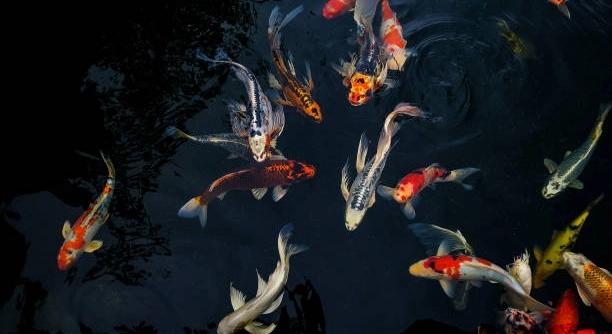
Koi fish are popular for their graceful movements and vibrant colors. Sometimes, these fish swim in unusual ways, such as moving backwards. Observing this behavior can be surprising and may raise questions about what it means.
When koi swim backwards, it is often a sign of stress, illness, or discomfort. This abnormal movement can indicate issues such as poor water quality, parasites, or injury. Monitoring their environment and health is essential to address the underlying causes promptly.
Understanding why koi swim backwards can help keep them healthy and happy. The following information will explain common reasons and steps to take for their well-being.
Causes of Backward Swimming in Koi
Koi swimming backwards can result from several factors affecting their health or environment. Poor water quality is a primary concern; high ammonia or nitrite levels irritate their gills, causing unusual behavior. Parasites and infections may also lead koi to swim backward as they struggle with discomfort or impaired movement. Injury or physical damage to fins or muscles can limit normal swimming abilities, forcing koi to move awkwardly. Stress from overcrowding, sudden changes in temperature, or aggressive tank mates may contribute as well. Observing the fish closely and testing water conditions helps identify the cause. Maintaining clean water and a stable habitat reduces the risk of these problems. Prompt intervention often prevents worsening health issues and helps koi recover normal swimming patterns.
Water testing and regular maintenance are crucial to preventing conditions that cause backward swimming.
Regular water changes, careful observation, and early treatment can improve koi health. Providing a calm environment supports their natural behavior and well-being.
Identifying Health Issues Early
Watching koi for subtle signs of illness helps catch problems before they become severe. Backward swimming is often a symptom rather than the main issue. Other indicators include clamped fins, lethargy, loss of appetite, or visible spots on the skin. Testing the water parameters regularly can confirm if toxins or bacteria are present. If illness is suspected, isolating the affected fish in a quarantine tank prevents spreading. Treatment varies depending on the diagnosis, such as medicated baths for parasites or antibiotics for bacterial infections. Regular feeding with high-quality food strengthens koi immunity, reducing disease risk. Being attentive to changes in behavior and environment promotes a healthy, thriving pond. This approach keeps koi active and swimming normally.
Common Environmental Factors
Water temperature changes can stress koi, causing irregular swimming patterns like moving backwards. Sudden shifts disrupt their metabolism and comfort.
Stable temperatures within the ideal range (65-75°F) help koi swim normally. Sudden cold or heat shocks impair their movement and immune response, increasing vulnerability to disease. Regular monitoring ensures a consistent environment that supports koi health and behavior.
Low oxygen levels in the water also affect koi activity. Insufficient aeration makes swimming difficult and can lead to backward movement. Adding aerators or fountains improves oxygen exchange. Clean filters and avoiding overstocking maintain good water quality, preventing stress-related behavior changes.
How to Respond If Your Koi Swim Backwards
First, check water quality immediately. Use test kits to measure ammonia, nitrite, nitrate, and pH levels. Address any imbalances through water changes or filtration adjustments.
Next, observe your koi closely for other signs of illness or injury. Isolate affected fish if necessary to prevent spreading problems. Treat with appropriate medications based on diagnosis. Maintain a calm environment, avoiding overcrowding and sudden disturbances.
Finally, review feeding practices to ensure a balanced diet supporting their immune system. Consistent care and early intervention can often reverse backward swimming and restore normal behavior in koi fish.
Preventing Backward Swimming
Regular pond maintenance helps keep koi healthy and active. Clean filters, proper aeration, and consistent water quality prevent many issues that cause abnormal swimming.
Feeding a balanced diet and avoiding overcrowding also reduce stress, which can lead to backward movement.
Monitoring Behavior
Keep an eye on your koi daily for changes in swimming patterns or appearance. Early detection of problems allows quicker response and better outcomes.
Healthy koi swim smoothly and interact normally with their environment.
When to Consult a Professional
If backward swimming persists despite your efforts, seek advice from a veterinarian or koi specialist. They can diagnose underlying diseases or conditions not visible to the untrained eye. Professional guidance ensures proper treatment and helps avoid worsening health issues.
Importance of a Healthy Habitat
A well-maintained pond supports koi’s natural behavior and longevity. Clean water, stable conditions, and minimal stress keep koi swimming properly and enjoying their environment.
FAQ
Why do koi swim backwards sometimes?
Koi may swim backwards due to stress, illness, or environmental factors. Poor water quality, parasites, or injury can cause discomfort, leading them to swim unusually. It is often a sign that something in their habitat or health needs attention.
Is backward swimming harmful to koi?
While occasional backward swimming may not be immediately harmful, persistent behavior usually indicates a problem. It can signal illness or poor living conditions that may worsen without proper care, affecting the koi’s overall health.
How can I tell if my koi are sick?
Look for additional signs such as clamped fins, lack of appetite, lethargy, or visible spots on their bodies. Abnormal swimming combined with these symptoms often suggests illness that needs treatment.
What water conditions are best for koi?
Koi thrive in clean, well-oxygenated water with temperatures between 65°F and 75°F. Ammonia and nitrite levels should be near zero, and pH should stay stable around 7 to 8. Regular testing and maintenance keep the water safe.
Can poor water quality cause backward swimming?
Yes, toxins like ammonia and nitrites irritate koi gills and stress them. This often leads to abnormal swimming behaviors, including swimming backwards. Proper filtration and regular water changes prevent this.
How often should I check my pond water?
It’s best to test water at least once a week for key parameters such as ammonia, nitrites, nitrates, and pH. More frequent checks are recommended if koi show unusual behavior like swimming backwards.
What should I do if my koi swim backwards?
First, test your water quality and make necessary corrections. Observe your fish for signs of illness. If needed, isolate sick koi and consider consulting a vet. Maintaining good water and proper nutrition supports recovery.
Can temperature changes affect koi behavior?
Yes, sudden temperature shifts can stress koi, disrupting their metabolism and swimming patterns. Keeping water temperature stable helps prevent stress-induced behaviors, including swimming backwards.
Is overcrowding a problem for koi health?
Overcrowding increases stress and reduces water quality, which can cause abnormal behaviors. Providing enough space per fish ensures they swim comfortably and stay healthy.
Are there treatments for koi that swim backwards due to illness?
Treatments vary depending on the cause. Parasite infestations may require medicated baths, while bacterial infections often need antibiotics. Early diagnosis is critical for effective treatment.
Can diet affect koi swimming behavior?
A poor diet weakens koi immune systems, making them more prone to disease and stress. Feeding high-quality, balanced food supports overall health and normal behavior.
Should I quarantine new koi before adding them to my pond?
Yes, quarantining new fish helps prevent spreading diseases to your existing koi. This practice protects the entire pond population and maintains a healthy environment.
What role does oxygen play in koi swimming?
Low oxygen levels make it harder for koi to swim and breathe, often leading to unusual movements. Proper aeration through fountains, waterfalls, or air pumps improves oxygen availability.
How can I reduce stress in my koi pond?
Keep water stable, avoid overcrowding, limit sudden changes, and provide hiding spots. Minimizing stress supports healthy behavior and reduces risks of backward swimming.
When is it necessary to call a professional about koi health?
If abnormal swimming continues despite good water quality and care, or if koi show serious symptoms like open wounds or extreme lethargy, professional help is advisable for accurate diagnosis and treatment.
Final thoughts on koi swimming backwards highlight the importance of understanding this unusual behavior as a signal rather than just a curiosity. When koi swim backward, it usually indicates something is wrong with their health or environment. Ignoring this behavior can lead to worsening problems, so it is important to act early. Regular observation of koi swimming patterns helps catch potential issues before they become serious. Maintaining a clean and stable habitat reduces stress and supports their natural movement.
Water quality plays a key role in koi health and behavior. Testing the water regularly for toxins like ammonia and nitrites ensures the environment stays safe. Temperature stability is equally important, as sudden changes can disrupt koi metabolism and cause stress. Providing good aeration and avoiding overcrowding also contributes to a balanced pond ecosystem. These steps are essential for preventing backward swimming caused by external stressors. Paying attention to diet is also important, as proper nutrition strengthens the koi’s immune system and helps them resist disease.
If koi continue to swim backwards despite good care, it may point to illness or injury. Observing for other signs of sickness, such as lethargy or physical damage, can help identify the problem. In such cases, consulting a veterinarian or koi specialist is recommended. Early diagnosis and treatment increase the chances of recovery. Keeping koi in a healthy environment, watching their behavior carefully, and responding promptly to changes supports their well-being and helps them live longer, more comfortable lives.

Hello,
If you enjoy the content that we create, please consider saying a "Thank You!" by leaving a tip.
Every little bit helps us continue crafting quality advice that supports the health, happiness, and well-being of pets around the world, for pets of all shapes, sizes, and species.
We really appreciate the kindness and support that you show us!