
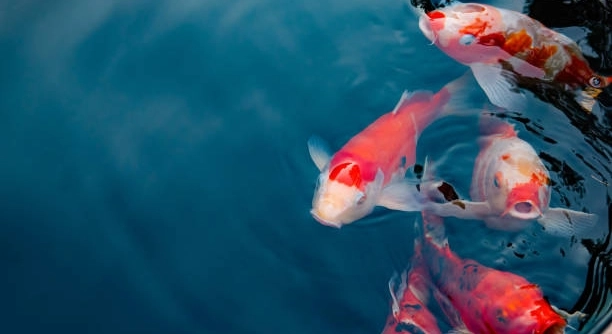
Koi fish are known for their graceful movements and vibrant colors. Many koi keepers notice that these fish often chase each other in their ponds or tanks. This behavior can seem puzzling at first glance.
Koi fish chase each other primarily due to social interaction, establishing dominance, or during mating seasons. This chasing is a natural behavior rooted in their instincts and helps maintain social order within their group.
Understanding why koi behave this way can help you create a healthier and more peaceful environment for them. There are simple explanations behind this common behavior that every koi enthusiast should know.
Why Koi Fish Chase Each Other
Koi fish chasing each other is often linked to their social behavior and hierarchy. In a pond or tank, koi establish a pecking order to reduce conflicts. The chasing helps determine which fish are dominant and which are submissive. This is normal and usually does not harm the fish unless it becomes too aggressive. Sometimes chasing happens during feeding time when koi compete for food. It can also occur when new fish are introduced, as the group adjusts to the newcomers. During the breeding season, chasing can increase as males compete for females. Watching these interactions gives insight into their natural instincts. It’s important to keep an eye on your koi to ensure the chasing doesn’t turn into bullying. Proper pond size and hiding spaces can help reduce stress and aggressive chasing among them.
Koi chasing is a natural way to communicate and maintain social balance.
Creating a calm environment with enough room and resources can reduce excessive chasing. Providing plants or decorations for hiding spots lets fish escape if needed. If chasing becomes constant and aggressive, it may signal stress or overcrowding. Monitoring water quality and fish health also supports peaceful interactions. By understanding why koi chase, owners can better care for their fish and create a more balanced pond environment.
How to Manage Chasing Behavior in Koi
Keeping chasing under control starts with the pond setup.
Managing chasing involves ensuring enough space, hiding areas, and proper feeding. Overcrowding increases stress and aggressive chasing. Regular water checks improve fish health, reducing tension. Adding plants or decorations lets koi retreat when needed. Adjusting the number of koi or their size can balance dominance issues. Observing behavior often helps identify triggers so you can respond accordingly. Sometimes separating overly aggressive fish is necessary to protect others. Consistent care and attention promote a peaceful pond where koi can thrive without constant chasing disturbances.
Signs That Koi Chasing Is a Problem
When chasing becomes too frequent or aggressive, it can harm koi health. Look for torn fins, bruises, or constant hiding by some fish. If chasing interrupts feeding or causes stress, it is a concern. Monitoring behavior helps catch issues early.
Excessive chasing can lead to injury or stress-related illness. Some koi may become scared or withdrawn, affecting their overall well-being. Overcrowding and poor water quality often make chasing worse. Providing enough space and hiding spots can help. If chasing persists, separating aggressive fish may be necessary to protect others and maintain harmony in the pond.
Stress from constant chasing weakens koi immune systems, making them more prone to disease. Injured fish take longer to heal and may become targets for bullying. Keeping a balanced group and a well-maintained pond supports peaceful behavior and healthier koi.
Seasonal Changes and Koi Behavior
Koi behavior changes with the seasons, affecting chasing patterns.
In spring and early summer, chasing tends to increase due to mating instincts. Male koi chase females more often during spawning. Warmer water also raises energy levels, making fish more active and social. In colder months, koi become less active and chase less. Understanding seasonal behavior helps in managing chasing and keeping koi comfortable year-round.
Adjusting feeding and pond care according to the season supports koi health and behavior. During spawning season, extra space and hiding spots reduce stress from chasing. Cooler months require less feeding and gentle care as koi slow down. Being aware of these changes helps owners respond effectively to shifting behaviors and maintain a balanced environment for their fish.
The Role of Territory in Koi Chasing
Koi fish are territorial and may chase others to defend their space. This behavior helps them establish boundaries within the pond or tank. Smaller or weaker fish usually avoid these areas to prevent conflict.
Territorial chasing can become less intense when there is plenty of room and hiding spots. Limited space often increases competition and chasing, so providing enough space helps reduce tension among koi.
Feeding Time and Chasing Behavior
Feeding time often triggers chasing because koi compete for food. Faster or more dominant fish chase others away to get the best access to food. Uneven feeding spots can make this behavior worse.
Impact of Pond Size on Chasing
A small pond increases chasing and stress among koi. Crowded conditions leave little room for peaceful swimming, forcing fish into closer contact. This can increase aggression and chasing behavior, negatively affecting their health.
Preventing Aggression Through Environment
Adding plants, rocks, and decorations offers hiding places. These features help reduce chasing by breaking sight lines and giving fish places to escape if needed.
FAQ
Why do koi fish chase each other so much?
Koi chase each other mainly to establish social order and dominance. This behavior helps them decide who leads the group and who follows. It also happens during mating seasons when males compete for females. Chasing is a natural way for koi to communicate and maintain balance in their group.
Is chasing always a sign of aggression?
Not always. While chasing can seem aggressive, it’s often normal social behavior. However, if chasing causes injuries or constant stress, it may be a sign of true aggression. In those cases, changes in the pond setup or separating certain fish might be necessary.
How can I tell if chasing is harming my koi?
Look for signs like torn fins, missing scales, or bruises on your fish. If some koi hide all the time or avoid feeding, chasing might be stressing them. Also, if chasing happens nonstop or gets violent, it could harm their health.
Can chasing lead to health problems?
Yes, excessive chasing can cause injuries and stress. Stress lowers koi immune response, making them prone to diseases. Injured fish heal slower and become vulnerable to infections. Keeping chasing under control supports healthier fish overall.
What can I do to reduce chasing in my pond?
Provide enough space for your koi to swim freely. Add plants, rocks, or decorations so fish have hiding spots. Feed them evenly to avoid competition during meals. Regularly check water quality and avoid overcrowding to keep stress low.
Does pond size affect chasing behavior?
Absolutely. Smaller ponds force koi into tight spaces, increasing competition and chasing. Larger ponds give them more room to avoid conflicts. A well-sized pond is key to reducing aggressive chasing and keeping fish calm.
Are certain koi more likely to chase others?
Yes, males tend to chase more, especially during breeding season. Larger and more dominant koi often chase smaller or weaker fish to assert control. Introducing new koi can also increase chasing as the group adjusts its social order.
Is chasing different during the seasons?
Yes, chasing usually increases in spring and early summer when koi are more active and breeding. In colder months, koi slow down and chasing lessens. Knowing this helps in managing chasing throughout the year.
Should I separate chasing koi?
If chasing is causing injuries or stress that affects fish health, separating aggressive koi may be necessary. Temporary separation or permanent relocation can protect weaker fish and restore peace in the pond.
Can feeding habits influence chasing?
Yes, feeding time often triggers chasing because koi compete for food. Spreading food evenly and feeding smaller amounts several times a day helps reduce competition and chasing during meals.
Do hiding spots really help?
Definitely. Plants, rocks, and decorations give koi places to escape when chased. These hiding spots reduce stress and make chasing less intense by breaking up sight lines and providing safe zones.
Is chasing more common with new fish?
When new koi are introduced, chasing usually increases as the group sets a new hierarchy. This behavior calms down after a while as the fish settle their social order.
How important is water quality in managing chasing?
Good water quality reduces stress in koi, which can lower aggressive behaviors like chasing. Dirty or poor-quality water can make fish more irritable and prone to chasing.
Can koi chasing ever be playful?
Sometimes chasing looks like play, especially among younger fish. It helps them develop social skills and test boundaries. This kind of chasing is usually gentle and doesn’t cause harm.
What signs show chasing is natural and harmless?
If chasing is brief, no injuries occur, and all fish seem healthy and active, it’s likely normal behavior. Fish will often take turns chasing or be chased without real conflict. This balanced behavior is part of their natural interaction.
Koi fish chasing each other is a natural behavior that often helps them establish social order and communicate within their group. While this can sometimes look aggressive, it usually isn’t harmful if it happens in moderation. Many koi owners notice this behavior and worry, but understanding why koi chase can make it easier to manage and care for them properly. By observing your fish and their interactions, you can tell when chasing is normal and when it might be causing problems.
It’s important to provide the right environment to help reduce excessive chasing. Having a pond or tank that is large enough gives koi space to swim freely and avoid constant contact. Adding plants, rocks, or other decorations creates hiding spots where koi can retreat if they feel threatened. Feeding your koi properly, with food spread out evenly and in small amounts, helps lower competition during meal times. Good water quality also plays a big role in keeping koi calm and healthy, which reduces aggressive behavior like chasing.
If chasing becomes too aggressive or causes injuries, it’s important to take action. Sometimes separating the more dominant or aggressive koi can protect the others and restore peace. Watching for signs of stress or injury and addressing those quickly will help keep your koi happy and healthy. Understanding their behavior and adjusting their environment as needed can make a big difference in creating a peaceful pond where koi thrive together without constant chasing.

Hello,
If you enjoy the content that we create, please consider saying a "Thank You!" by leaving a tip.
Every little bit helps us continue crafting quality advice that supports the health, happiness, and well-being of pets around the world, for pets of all shapes, sizes, and species.
We really appreciate the kindness and support that you show us!