
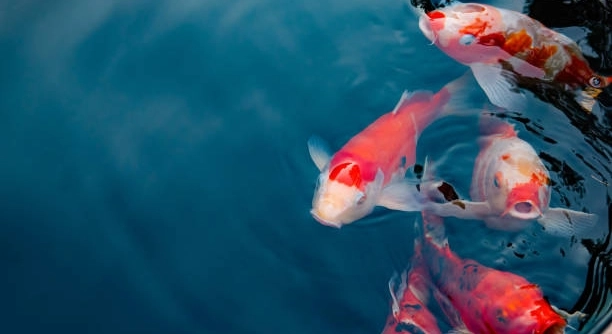
Koi keeping is a rewarding hobby that often leads to exciting moments, such as when the fish are ready to spawn. Recognizing these signs helps enthusiasts prepare for breeding and support the health of their koi population. Knowing what to look for can enhance the experience.
Koi readiness to spawn is indicated by specific physical and behavioral changes. These include increased activity, changes in coloration, the development of breeding tubercles on males, swollen abdomens in females, and specific spawning behaviors. Identifying these signs aids in timely intervention and breeding success.
Understanding these indicators can help koi keepers manage the spawning process effectively and maintain the wellbeing of their fish. The following details will clarify each sign clearly.
Increased Activity and Chasing Behavior
As koi prepare to spawn, they often become noticeably more active than usual. Males start chasing females around the pond, sometimes quite vigorously. This behavior is a key indication that spawning is near. The chasing can last several days and involves males nudging or bumping females. During this time, koi might also swim closer to the surface or near pond edges where spawning will occur. These bursts of energy are a natural part of the breeding process and are driven by hormonal changes. Watching this behavior helps identify the right moment to provide spawning mats or plants. Ensuring the pond conditions are optimal, such as water temperature around 68–74°F (20–23°C), supports this increased activity. This stage requires patience, as chasing alone does not guarantee immediate spawning, but it is a clear signal that koi are preparing.
Male koi chasing females is a strong sign that spawning will happen soon. It is an important behavioral cue for pond caretakers to notice.
Chasing behavior can be intense and persistent. The males’ actions stimulate the females to release eggs, making it a critical phase. During this period, koi may eat less and focus more on reproductive activities. The chasing is part of the natural selection process, ensuring that the healthiest males fertilize the eggs. Providing an environment with hiding spots can reduce stress on females during this time. Monitoring koi closely allows for timely intervention, such as adding spawning substrates or adjusting water quality, to improve breeding success.
Color Changes in Males
Color changes, especially in males, often indicate that koi are ready to spawn. Males develop brighter and more vibrant colors, which helps attract females and signal reproductive readiness. These color shifts are caused by hormonal changes and tend to appear a few days before spawning starts. This visual transformation is more noticeable in some varieties than others but is generally a reliable sign. Along with color brightening, males may show a slight whitening of fins or a change in pattern intensity. These changes can fade after spawning ends.
The shift in coloration serves as a natural signal to both mates and keepers that breeding time is approaching.
Male koi’s vibrant colors are a direct result of increased hormone levels related to reproduction. The brightening is often accompanied by rough breeding tubercles on their heads and pectoral fins. These small, white bumps help males grip females during spawning. Observing these traits together provides a more accurate indication of readiness. Keeping water quality high during this phase supports the health and coloration of the fish. Sudden or dull color changes may suggest stress or illness rather than spawning preparation. Therefore, monitoring koi appearance regularly is essential for successful breeding management.
Development of Breeding Tubercles
Breeding tubercles are small, white, rough bumps that appear on male koi, mainly on their heads and pectoral fins. These tubercles help males hold onto females during spawning.
The appearance of breeding tubercles is a reliable sign that male koi are ready to spawn. These bumps develop due to hormonal changes and usually appear a few days before spawning. They create friction to assist males in maintaining contact with females during the spawning process. Not all males develop tubercles equally, but their presence strongly indicates reproductive readiness. Observing these tubercles alongside other signs helps confirm that breeding is imminent.
Breeding tubercles typically last only through the spawning period. After spawning, they fade as hormone levels return to normal. While their presence is natural and beneficial during breeding, excessive rubbing or damage caused by tubercles can sometimes lead to minor injuries. Monitoring koi closely ensures these issues do not become severe.
Swollen Abdomen in Females
A swollen abdomen in female koi signals that eggs are fully developed and ready for release. This change is often visible several days before spawning.
The abdomen appears rounder and fuller due to the accumulation of eggs inside the female. This swelling indicates that the female is in the final stage of readiness to spawn. The size of the abdomen varies depending on the number of eggs and the size of the koi. Females may also seem less active as their energy shifts toward egg development. This physical sign, combined with behavioral changes in males, gives a clearer picture of when spawning will happen.
Careful observation of females is important because an overly swollen abdomen may indicate stress or health issues unrelated to spawning. Ensuring proper nutrition and water quality helps females develop healthy eggs and reduces the risk of complications during spawning.
Spawning Site Preparation
Koi often prepare specific areas in the pond for spawning. They may clear away debris or repeatedly visit certain spots, signaling their readiness to lay eggs.
This behavior helps create a safe environment for eggs to develop. Providing spawning mats or plants encourages koi to choose ideal locations for egg deposition, improving the chances of successful fertilization.
Reduced Appetite
Koi typically eat less as they approach spawning. This decrease in appetite reflects their focus on reproductive activity and hormonal changes affecting their metabolism.
Reduced feeding is a natural part of the spawning process. It is important to maintain water quality during this time since koi may be more sensitive to environmental changes.
Egg Release and Fertilization
During spawning, female koi release eggs onto submerged plants or spawning mats. Males follow closely behind, releasing milt to fertilize the eggs externally in the water. This process can last several hours, depending on the number of fish involved and environmental conditions. Proper pond setup with adequate spawning surfaces increases the likelihood of egg survival. Monitoring water temperature and cleanliness during this stage supports egg development and reduces the risk of fungus or predation. Successful fertilization is evident when fertilized eggs appear sticky and adhere to surfaces, eventually hatching into fry.
Behavior After Spawning
After spawning, koi generally show reduced activity and may separate from each other. This calm period allows them to recover energy and health before returning to normal routines.
FAQ
How can I tell if my koi are ready to spawn?
Koi readiness is shown by several signs: increased chasing behavior, brighter coloration in males, breeding tubercles on males, swollen abdomens in females, reduced appetite, and preparation of spawning sites. Observing these changes helps determine when spawning will begin.
What causes breeding tubercles to appear on male koi?
Breeding tubercles develop due to hormonal changes in males during the spawning season. These small, white bumps help males grip females during spawning, making the process more effective. They appear shortly before spawning and disappear afterward.
Why do male koi chase females before spawning?
Chasing is a natural behavior that stimulates females to release eggs. It also ensures the strongest males have the best chance to fertilize eggs. This activity can last days and is essential for successful reproduction.
Do koi eat less when they are ready to spawn?
Yes, koi often reduce their food intake as their bodies focus on reproduction. This change is normal and linked to hormonal shifts. However, it is important to keep water conditions stable during this time to prevent stress.
What is the importance of water temperature in koi spawning?
Water temperature plays a crucial role. Spawning typically occurs when temperatures reach between 68°F and 74°F (20°C to 23°C). Warmer water triggers hormonal changes needed for breeding. Maintaining stable temperatures helps encourage successful spawning.
Should I provide spawning mats or plants in my pond?
Yes, spawning mats or plants give koi a safe surface to deposit eggs. These materials mimic natural environments and increase the chances of eggs attaching properly. Without suitable surfaces, eggs may fall to the bottom and have lower survival rates.
How long does spawning usually last?
Spawning can last several hours to a few days, depending on the number of koi and environmental conditions. During this time, males release milt to fertilize eggs as females lay them on spawning surfaces.
What should I do after spawning is complete?
After spawning, it is important to monitor water quality and temperature. Removing adult koi from the breeding area can protect eggs from being eaten. Keeping the environment clean and stable supports healthy egg development and hatching.
Can koi spawn without any signs or warning?
It is rare but possible. Most koi show clear behavioral and physical signs before spawning. Sudden spawning may occur if conditions rapidly change, but this is uncommon in a well-maintained pond.
How do I care for koi fry after hatching?
Koi fry need clean water, stable temperatures, and appropriate food like specialized fry feed or finely crushed flakes. Providing hiding places helps protect them from predators and adult koi. Regular water changes improve survival rates.
What problems might affect koi spawning?
Poor water quality, incorrect temperatures, lack of spawning surfaces, and stress can reduce spawning success. Monitoring these factors and maintaining a healthy pond environment increases the likelihood of successful breeding.
Is it necessary to separate males and females after spawning?
Separating koi after spawning can reduce stress and prevent adults from eating eggs or fry. It also allows fish to recover before returning to normal social behavior. This step is helpful but depends on pond size and setup.
Can koi spawn multiple times in one season?
Yes, koi can spawn multiple times during the breeding season if conditions remain favorable. However, frequent spawning may tire the fish, so providing proper care and nutrition is important to support their health.
How can I encourage my koi to spawn successfully?
Maintaining ideal water temperature, providing spawning mats or plants, ensuring good water quality, and feeding a nutritious diet support spawning readiness. Observing koi behavior and making adjustments when necessary improves breeding outcomes.
What is the role of lighting in koi spawning?
Natural daylight cycles influence koi spawning by signaling seasonal changes. Providing a consistent light schedule that mimics natural conditions helps regulate hormonal cycles important for breeding.
Are there signs that indicate spawning is not going well?
Signs like lethargy, lack of chasing behavior, poor water conditions, or injury can indicate problems. If koi show no interest in spawning after typical signs appear, checking water parameters and health status is important.
Final thoughts are important when caring for koi during their spawning period. Understanding the signs that koi are ready to spawn helps you provide the best environment for successful breeding. Observing behaviors like chasing, changes in appetite, or physical signs such as breeding tubercles and swollen abdomens can give clear indications. These signs are natural parts of koi biology, and recognizing them allows you to prepare the pond accordingly. Preparing spawning mats or plants and maintaining clean water are practical steps to support this process. Paying attention to temperature changes is also critical because koi respond strongly to water temperature when it comes to spawning readiness.
During the spawning season, koi can be more active and sometimes aggressive, especially males chasing females. This behavior is normal but can sometimes cause stress or injury if the pond is overcrowded. Giving koi enough space and hiding spots can reduce conflict and help maintain a calm environment. It is also normal for koi to eat less before and during spawning as their energy shifts toward reproduction. Maintaining good water quality and stable conditions helps reduce stress during this sensitive time. After spawning, koi will need time to recover, so it is best to monitor them closely and make sure they return to their usual feeding and swimming patterns.
Successful koi spawning depends on careful observation and good pond management. Knowing the signs that indicate spawning is near lets you take steps to protect eggs and fry, such as providing suitable spawning surfaces and removing adults if necessary. This will improve the survival rate of the young koi. Keeping water parameters stable, including temperature and cleanliness, is essential throughout the process. With patience and attention, koi breeders can support healthy reproduction and enjoy the rewarding experience of watching new koi grow. Proper care during spawning also helps maintain the overall health and vitality of the koi population in the pond.

Hello,
If you enjoy the content that we create, please consider saying a "Thank You!" by leaving a tip.
Every little bit helps us continue crafting quality advice that supports the health, happiness, and well-being of pets around the world, for pets of all shapes, sizes, and species.
We really appreciate the kindness and support that you show us!