
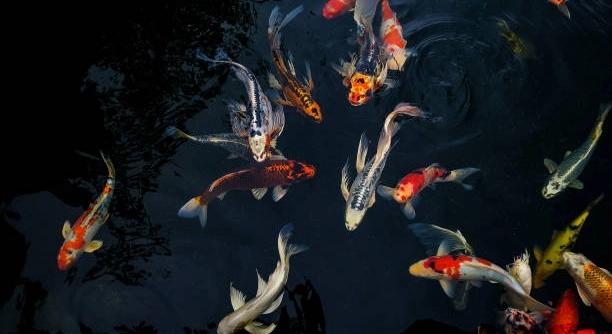
Koi fish are popular for their beauty and peaceful nature. Watching them swim gracefully in a pond is relaxing. Sometimes, koi interact in ways that look like fighting or playing, which can be confusing for pond owners.
Distinguishing between fighting and playing in koi fish involves observing their behavior patterns closely. Fighting typically includes aggressive chasing, biting, and fin damage, while playing shows gentle chasing and no physical harm. Understanding these signs helps maintain a healthy environment.
Recognizing the difference can improve your care for koi and keep your pond harmonious. This article explains key behaviors and offers tips to tell them apart clearly.
Signs That Koi Fish Are Fighting
When koi fish fight, their behavior becomes aggressive and intense. They chase each other rapidly and may nip or bite fins and tails. This often results in visible damage, such as torn fins or missing scales. The water may also become disturbed due to their sudden movements. Fighting koi tend to isolate weaker fish or push them away from feeding areas. These confrontations can last several minutes and repeat frequently if the cause is not addressed. Stress levels in the pond increase, which can harm the overall health of the fish. It is important to watch for signs like rapid darting and physical wounds as indicators of conflict.
Fighting koi usually show repeated aggressive actions toward the same fish. This behavior is harmful and requires intervention to prevent injury or illness.
Understanding these signs allows pond owners to identify conflicts early and take necessary steps to reduce aggression and protect their koi.
How to Tell If Koi Fish Are Playing
Playing koi fish swim together calmly, often following each other in smooth, gentle movements. Their interactions are balanced and lack any physical harm. Instead of biting, they nudge or brush against one another lightly. These playful behaviors usually occur in short bursts and are evenly distributed among all fish in the pond. Koi playing helps strengthen social bonds and encourages exercise, which benefits their health. Unlike fighting, playing koi quickly return to normal swimming patterns without signs of stress. Watching koi play can be enjoyable, as they seem curious and lively without causing damage or fear.
Koi fish playing is peaceful, brief, and lacks aggression or injury.
To distinguish play from fighting, observe their body language and interaction patterns carefully. Playful koi avoid harsh chasing and do not isolate other fish. They share space and feed together calmly. If the koi are active but uninjured, and their movements are smooth rather than frantic, it is a good indication of play. Maintaining a clean pond environment and providing enough space reduces aggression, encouraging play. Regular monitoring helps ensure koi are comfortable and healthy, promoting a positive atmosphere in the pond.
Preventing Koi Fish Fights
Providing enough space in the pond reduces stress and aggression among koi fish. Overcrowding often leads to competition for territory and food, which can trigger fights. Keeping water clean and balanced also helps maintain a peaceful environment. Regular water changes and proper filtration are essential.
Proper pond size and structure are key to preventing fights. Koi need at least 250 gallons per fish to thrive. Adding hiding spots or plants gives them places to retreat and lowers tension. Feeding them evenly distributed food avoids competition. Monitoring water temperature and quality prevents stress-related aggression. Consistent care supports a calm community where koi can coexist peacefully without conflict.
Maintaining a stable environment encourages social harmony in koi ponds. Stress factors like poor water quality or sudden changes often provoke fights. Keeping these under control will support healthier interactions among the fish.
When to Separate Fighting Koi Fish
If fights cause injuries or last too long, separating aggressive koi is necessary. Injured fish need time to heal without being harassed. Separation prevents wounds from worsening and reduces stress on all fish involved.
Use a quarantine tank or partition in the pond to isolate aggressive koi. Observe their behavior to see if aggression decreases over time. Once healed, gradually reintroduce them under supervision. If fighting resumes, long-term separation may be required. Separation should be a temporary solution while working to improve pond conditions that triggered the aggression initially.
Timely intervention protects the health and well-being of koi. Removing aggressive fish helps avoid permanent damage and supports recovery in a controlled space.
Recognizing Body Language in Koi Fish
Koi show clear body language when stressed or aggressive. Raised fins, stiff movements, and rapid swimming are common signs of conflict. Calm koi swim smoothly with relaxed fins.
Playing koi often circle each other gently, while fighting koi dart quickly and snap at fins. Paying attention to these cues helps identify their mood accurately.
Feeding Behavior Differences
During feeding, playful koi share space and take turns eating calmly. Fighting koi push and chase others away aggressively to dominate the food source.
Aggressive behavior at feeding times can indicate underlying tension or competition in the pond. Adjusting feeding habits can reduce conflict.
The Role of Environment in Koi Interactions
A well-maintained environment reduces stress and promotes healthy social behavior. Proper water temperature, clean conditions, and enough space allow koi to interact peacefully.
Stressful environments increase aggression and can lead to frequent fights. Managing these factors supports calmer, happier fish.
Monitoring for Changes
Regularly observe koi for shifts in behavior. Sudden aggression or isolation signals a problem.
Early detection helps address issues before they escalate.
FAQ
How can I tell if my koi fish are actually fighting or just playing?
Fighting koi usually display aggressive behaviors like chasing quickly, biting fins, and causing visible damage. Playing koi swim smoothly together, gently nudging without injury. Watching their interactions closely for repeated aggression or calm movements helps distinguish between the two.
What causes koi fish to fight?
Fighting often results from overcrowding, limited territory, poor water quality, or competition for food. Stress from these factors increases aggression. Ensuring enough space, clean water, and proper feeding routines reduces fights.
Is it normal for koi to chase each other?
Some chasing is normal during play or establishing hierarchy. However, if chasing is aggressive, persistent, and results in injuries, it indicates fighting rather than play.
How much space do koi need to prevent fighting?
Koi require at least 250 gallons of water per fish to reduce territorial disputes. Smaller ponds increase stress and competition, leading to more aggressive behavior.
Can feeding habits influence koi aggression?
Yes. Uneven feeding or food scarcity can cause competition and fighting. Distributing food evenly and feeding multiple times a day lowers aggression around feeding time.
What should I do if koi start fighting?
Separate aggressive fish using a quarantine tank or pond divider to prevent injuries. Improve pond conditions by increasing space, cleaning water regularly, and providing hiding spots. Monitor behavior before reintroducing them.
How long should koi be separated if they are fighting?
Separation duration depends on injury severity and behavior changes. Typically, 1-2 weeks are enough for healing and calming down. Reintroduce gradually while watching for renewed aggression.
Are some koi breeds more aggressive than others?
Certain koi may show stronger territorial behavior, but aggression mostly depends on environment and individual temperament. Proper care and space minimize breed-related aggression.
Can environmental changes trigger fighting?
Yes. Sudden changes in temperature, water quality, or adding new fish can stress koi and cause fights. Gradual adjustments and monitoring help prevent this.
How do I provide hiding places for koi?
Use aquatic plants, rocks, or pond decorations to create shaded areas and retreats. These reduce stress and give fish spaces to escape aggression.
Is it harmful if koi fight occasionally?
Occasional mild chasing is normal. But frequent, aggressive fights cause injuries and stress, which can weaken immune systems and lead to disease.
Can fighting koi harm the pond ecosystem?
Yes. Injured fish produce more waste and stress can disrupt pond balance. Maintaining good pond health benefits both fish and the environment.
How often should I observe my koi to catch fighting early?
Daily observation is best. Early detection of unusual behavior or injuries allows prompt action to prevent escalation.
What signs show that koi are stressed before fighting?
Signs include loss of appetite, hiding, rapid breathing, and color fading. Stress often precedes aggression.
Can adding more koi reduce fighting?
Adding more fish may spread out aggression but can also increase competition if the pond is too small. Space is the key factor.
Are water parameters important for koi behavior?
Yes. Stable temperature, pH, ammonia, and nitrate levels reduce stress and aggression. Regular testing and maintenance are necessary.
Can koi fighting be prevented completely?
Complete prevention is difficult but managing pond size, water quality, feeding, and stress levels greatly minimizes fighting.
Should I consult a vet if koi are fighting?
If injuries are severe or behavior worsens despite changes, consulting a vet experienced with fish is recommended. They can check for illness or other issues.
What is the best way to reintroduce koi after separation?
Gradually reintroduce by allowing limited interaction through a divider first. Observe closely for signs of renewed aggression and separate again if needed.
Does koi age affect their behavior?
Younger koi may be more playful or curious, while older koi sometimes become territorial. Age affects interaction but environment remains crucial.
Can koi fights happen at night?
Yes, though less visible. Monitoring daytime behavior and providing good conditions helps reduce nighttime aggression.
How do I know if a koi injury is serious?
Deep wounds, bleeding, torn fins, or signs of infection need prompt care. Minor scrapes usually heal quickly with clean water.
Is it better to have a male or female koi to reduce fighting?
Gender alone doesn’t determine fighting. Both males and females can be aggressive depending on conditions and individual traits.
How can I calm aggressive koi?
Improving pond conditions, increasing space, adding hiding spots, and adjusting feeding routines helps calm aggressive fish over time.
Are there any natural remedies to reduce koi aggression?
Some pond owners use water conditioners or plants that release calming substances, but results vary. Focus on environment and care for best results.
What role does water temperature play in koi behavior?
Extreme temperatures stress koi and can increase aggression. Keeping water within the ideal range (65-75°F) supports calm behavior.
How do koi establish social hierarchy?
Koi use chasing and displays to establish dominance, but this usually involves limited aggression if conditions are good. Social order helps reduce constant fighting.
Can koi recognize each other and remember past fights?
Koi have good memory and may remember aggressive encounters, which can influence future behavior toward certain fish.
Is it necessary to trim fins of aggressive koi?
Fin trimming is not recommended as it causes stress and health risks. Managing environment is a safer way to reduce aggression.
Final Thoughts
Understanding whether koi fish are fighting or playing is important for maintaining a healthy pond environment. Observing their behavior closely can help determine if their interactions are normal social activities or signs of stress and aggression. Recognizing the difference between playful circling and aggressive chasing allows for timely actions that prevent injuries and promote well-being. Paying attention to body language, feeding patterns, and environmental factors provides useful clues about their mood and health.
Creating a balanced pond environment reduces the chances of conflict among koi. Adequate space, clean water, proper feeding routines, and places to hide contribute to calmer behavior. Stress is a major factor that causes koi to become aggressive, so keeping water quality stable and avoiding overcrowding is essential. Regular monitoring helps detect changes early, so any aggressive behavior can be addressed before it becomes harmful. Taking these steps supports peaceful coexistence and helps koi thrive.
Handling koi fights requires patience and care. Separating aggressive fish temporarily, improving living conditions, and reintroducing fish slowly are effective ways to manage conflict. It is also important to remember that occasional chasing is normal and part of how koi establish social order. However, persistent fighting should never be ignored. By understanding koi behavior and meeting their needs, it is possible to create a safe and peaceful pond where the fish can enjoy natural, healthy interactions.

Hello,
If you enjoy the content that we create, please consider saying a "Thank You!" by leaving a tip.
Every little bit helps us continue crafting quality advice that supports the health, happiness, and well-being of pets around the world, for pets of all shapes, sizes, and species.
We really appreciate the kindness and support that you show us!