
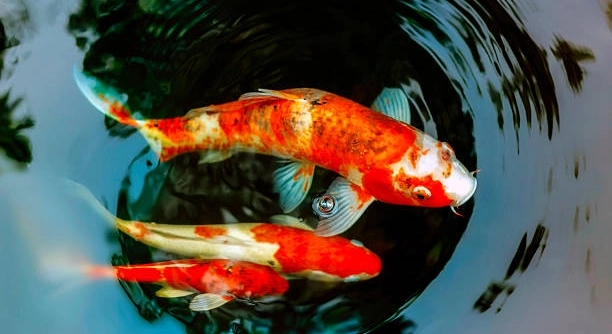
Koi fish require careful attention to maintain their health and vitality. Their immune systems can weaken due to stress, poor water quality, or improper diet. Strengthening immunity is essential to keep koi thriving in their environment.
Boosting immunity in koi fish involves providing optimal water conditions, balanced nutrition, stress reduction, and disease prevention measures. Regular maintenance and attentive care support their natural defenses and promote overall fish health.
Improving koi immunity helps prevent illness and supports their long-term wellbeing in ponds or tanks. The following tips offer practical steps to maintain strong, healthy fish.
Maintain Clean and Stable Water Conditions
Koi fish depend heavily on their environment to stay healthy. Clean water free of harmful toxins helps reduce stress and lowers the risk of infections. Regular water changes, ideally 10-20% weekly, remove waste and keep ammonia and nitrite levels low. Testing the water regularly is essential to monitor pH, hardness, and nitrogen compounds. Stable temperatures are also crucial, as sudden changes can weaken immune responses. Proper filtration is necessary to keep water clear and biologically balanced. Avoid overcrowding, which increases waste and competition for oxygen. By maintaining these water conditions, koi fish will be better equipped to resist disease and grow strong.
Clear, stable water creates a healthier habitat that supports your koi’s immune system over time.
Monitoring water quality with consistent tests and maintenance ensures a safe, stress-free environment for your fish.
Provide Balanced Nutrition
A koi’s diet directly impacts its immune health. Feeding a variety of high-quality pellets, supplemented with vegetables and occasional protein treats, ensures they get the necessary vitamins and minerals. Vitamins A, C, and E are especially important for immune function. Avoid overfeeding, as leftover food can foul water and cause health problems. Seasonal adjustments to feeding amounts also help, reducing food in colder months when koi metabolism slows. Fresh food sources like peas or lettuce can provide extra nutrients and fiber. A well-balanced diet supports tissue repair, disease resistance, and overall vitality.
Consistent feeding of varied, nutrient-rich food maintains optimal immune defenses.
Proper diet combined with clean water creates a strong foundation for koi health.
Reduce Stress to Strengthen Immunity
Stress weakens koi immune systems, making fish more vulnerable to infections. Common stressors include poor water quality, overcrowding, and sudden environmental changes. Regularly cleaning the pond and avoiding sudden temperature shifts help reduce stress. Adding plants or shaded areas can provide shelter and reduce anxiety. Avoid handling fish unless necessary, as this can cause physical stress. Introducing new fish gradually prevents aggressive interactions. Using stress-reducing additives, such as pond salts or immune boosters, may help during seasonal transitions or after illness. Maintaining a calm and stable environment supports the immune system and promotes faster recovery.
Reducing stress is essential for maintaining strong immunity in koi fish.
Minimizing disturbances allows fish to focus energy on healing and growth.
Regular Health Checks
Routine health checks help catch problems early, improving chances for successful treatment. Observing behavior, appetite, and physical appearance can reveal signs of illness before they worsen.
Look for symptoms such as lethargy, clamped fins, discoloration, or abnormal swimming patterns. Checking for external parasites or injuries during these observations is important. Promptly isolating any sick fish prevents spreading disease. Keeping a log of observations can track changes over time, making it easier to identify trends or recurring issues. Partnering with a vet familiar with koi can improve diagnosis and care.
Consistent health monitoring strengthens immune defenses by preventing minor issues from becoming severe. It ensures timely intervention and helps maintain a balanced pond ecosystem.
Use Natural Immune Boosters
Certain natural supplements support koi immunity without harsh chemicals. Ingredients like garlic, spirulina, and echinacea have been shown to improve disease resistance and overall vitality. Adding these to feed or water encourages stronger immune responses.
Garlic acts as an antimicrobial agent, reducing internal parasites and infections. Spirulina provides essential vitamins, minerals, and antioxidants that combat oxidative stress. Echinacea stimulates white blood cell activity, enhancing the fish’s ability to fight pathogens. These boosters are most effective when combined with good water quality and nutrition. Overuse should be avoided to prevent potential side effects.
Incorporating natural immune boosters offers a gentle, effective method to support koi health. These supplements can improve resilience during stressful periods or seasonal changes.
Quarantine New Fish
Quarantining new koi before introducing them to the main pond prevents disease transmission. A separate tank for at least two weeks helps monitor and treat any infections early.
This step protects the entire pond population from potential outbreaks. It is a simple but essential precaution for koi health.
Maintain Proper Oxygen Levels
Oxygen is vital for koi metabolism and immune function. Use aerators or fountains to keep water well-oxygenated, especially during warm weather or high stocking density.
Low oxygen weakens immune defenses and increases stress, making fish more prone to illness.
Avoid Overcrowding
Overcrowding increases waste, reduces oxygen, and raises stress levels. Providing enough space per fish minimizes these risks, promoting better immunity and health.
A balanced population supports a stable pond environment and stronger fish.
Use Quality Filtration Systems
Proper filtration removes harmful toxins and maintains water clarity. Mechanical, biological, and chemical filtration work together to create a safe environment.
A reliable filter reduces disease risk and supports overall koi vitality.
FAQ
How often should I test my pond water to keep koi healthy?
Testing pond water weekly is recommended to maintain stable conditions. Checking parameters such as pH, ammonia, nitrites, and nitrates helps catch imbalances early. Frequent testing allows for timely adjustments before water quality harms koi immune systems. During seasonal changes or after heavy rain, more frequent testing may be necessary.
What is the best diet for boosting koi immunity?
A balanced diet with high-quality pellets is essential. Supplementing with fresh vegetables like peas or spinach and occasional protein treats improves vitamin and mineral intake. Vitamins A, C, and E are particularly important for immune health. Avoid overfeeding to prevent water contamination, which can stress fish.
Can stress really affect koi immunity?
Yes, stress weakens the immune system and increases susceptibility to disease. Causes include poor water quality, overcrowding, temperature fluctuations, and frequent handling. Reducing stress by maintaining stable water conditions and providing shelter supports better immune function.
How long should new koi be quarantined?
A minimum of two weeks in a separate tank is advised. This period allows time to observe any signs of illness and treat infections before introducing new fish to the pond. Quarantine reduces the risk of spreading diseases to healthy koi.
Are natural immune boosters safe for koi?
Natural supplements like garlic, spirulina, and echinacea are generally safe when used properly. They support immune function and help prevent infections. However, overuse can cause side effects, so follow dosage recommendations and combine them with good water quality and nutrition.
What signs indicate a koi fish has a weakened immune system?
Common signs include lethargy, loss of appetite, clamped fins, abnormal swimming, discoloration, or sores. Early detection allows for quicker treatment, which can improve recovery chances. Regular health checks are vital to spot these symptoms early.
How important is oxygenation for koi health?
Oxygen is critical for metabolism and immune response. Poor oxygen levels increase stress and lower disease resistance. Using aerators or fountains ensures adequate oxygen, especially in warmer months or crowded ponds.
What filtration system works best for koi ponds?
A combination of mechanical, biological, and chemical filtration provides optimal water quality. Mechanical filtration removes debris, biological filtration breaks down harmful ammonia and nitrites, and chemical filtration controls toxins and odors. A well-maintained system supports a stable, healthy environment.
Can overcrowding cause immune problems in koi?
Yes, overcrowding leads to poor water quality, reduced oxygen, and higher stress, all of which weaken immunity. Providing enough space per fish minimizes these risks and promotes better health.
Is it necessary to isolate sick koi?
Isolating sick fish prevents disease spread and allows targeted treatment. A quarantine tank is helpful for monitoring recovery and protecting healthy koi. Immediate action can limit outbreaks in the main pond.
How do temperature changes affect koi immunity?
Sudden temperature shifts can stress koi and reduce immune function. Maintaining a stable temperature environment helps fish resist infections. During cold or hot seasons, adjust care and feeding accordingly.
What role does routine pond maintenance play in immunity?
Regular pond cleaning and water changes remove toxins and reduce harmful bacteria, supporting a strong immune system. Neglecting maintenance can lead to poor water quality, stress, and illness in koi.
Can immune-boosting supplements replace good care?
Supplements support immunity but cannot replace proper diet, clean water, and stress management. They should be used as part of a comprehensive care routine to maximize benefits.
How can I reduce stress during handling or transport?
Minimize handling time and keep fish in water during moves. Use gentle nets and maintain stable water temperature and quality throughout transport. Stress reduction during handling helps preserve immune strength.
Are there specific vitamins that help koi immunity?
Vitamins A, C, and E are vital for immune health. They support tissue repair, antioxidant protection, and resistance to infections. A balanced diet usually provides sufficient vitamins, but supplements can help during illness or stress.
What is the best way to prevent disease outbreaks in koi ponds?
Maintaining clean water, proper filtration, balanced nutrition, quarantine for new fish, and stress reduction are key. Early detection through routine health checks also prevents widespread illness.
Can plants in the pond improve koi health?
Aquatic plants improve water quality by absorbing excess nutrients and providing shade, which reduces stress. They also create hiding spots that help koi feel secure, supporting immune function.
Is it safe to use pond salts for immune support?
Pond salts can reduce parasite loads and improve slime coat health but should be used carefully. Follow recommended dosages and avoid overuse, which can cause additional stress or harm to sensitive fish.
How long does it take for koi immunity to improve with good care?
Immune recovery varies but generally takes several weeks of consistent care, including clean water, good nutrition, and reduced stress. Patience and persistence are necessary for noticeable improvements.
When should I seek veterinary care for my koi?
If symptoms persist despite home care or worsen rapidly, consulting a vet is crucial. Professional diagnosis and treatment improve outcomes and help manage complex diseases effectively.
Final Thoughts
Maintaining strong immunity in koi fish requires consistent effort and attention to several key factors. Good water quality is the foundation of a healthy pond environment. Regular testing and proper filtration help keep harmful substances low and oxygen levels high. Clean water reduces stress and the risk of infections, allowing koi to use their natural defenses effectively. Avoiding overcrowding and maintaining proper stocking levels also play an important role in preventing disease and supporting immune function.
Nutrition is another essential aspect of boosting koi immunity. Feeding a balanced diet rich in vitamins and minerals supports overall health and disease resistance. Supplementing with natural immune boosters, such as garlic or spirulina, can provide additional benefits, especially during periods of stress or seasonal changes. However, supplements should not replace basic good care practices but rather complement them. Overfeeding or poor-quality food can degrade water quality and harm the fish’s immune system, so moderation and quality are key.
Routine health monitoring and prompt action when problems arise are critical for long-term koi well-being. Regular observation helps detect early signs of illness, which improves chances for successful treatment. Quarantining new fish before adding them to the main pond protects the existing population from potential outbreaks. Reducing stress through stable water conditions, adequate space, and careful handling further supports the immune system. By following these practices, koi owners can promote healthy, resilient fish and enjoy a vibrant pond environment for years to come.

Hello,
If you enjoy the content that we create, please consider saying a "Thank You!" by leaving a tip.
Every little bit helps us continue crafting quality advice that supports the health, happiness, and well-being of pets around the world, for pets of all shapes, sizes, and species.
We really appreciate the kindness and support that you show us!