
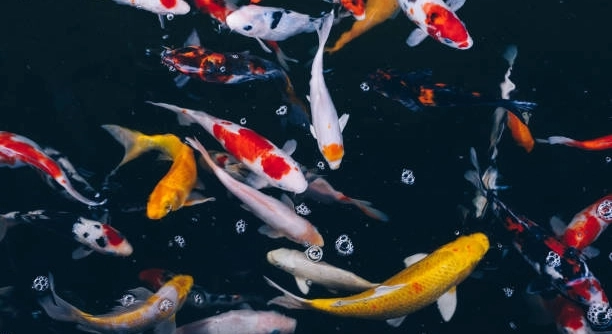
Koi fish are popular for their beauty and calm nature. Many people enjoy keeping them in garden ponds as a relaxing hobby. Choosing the right type of koi can make caring for them easier and more enjoyable.
The easiest koi varieties to keep are those known for their hardiness and adaptability, such as Kohaku, Sanke, and Shusui. These types tolerate a range of water conditions and require less maintenance, making them suitable for beginners and casual hobbyists alike.
Learning which koi are simpler to care for can save time and effort. This article will help you understand the basics of koi varieties and how to choose the best ones for your pond.
Why Kohaku Are Great for Beginners
Kohaku koi are one of the most popular and easiest koi varieties to care for. They have a simple color pattern of white with red markings, which makes them easy to identify and enjoy. These fish are hardy and can adapt well to different pond environments. They tolerate changes in temperature and water quality better than many other koi types. Because of this, Kohaku are less likely to get sick, making them a good choice if you’re new to keeping koi. They grow to a decent size but don’t require special food or treatments. Many koi keepers recommend starting with Kohaku because they are reliable and low-maintenance. Their calm temperament also means they get along well with other koi, helping keep your pond peaceful and balanced.
Kohaku’s easy care needs make them an ideal option for anyone beginning with koi keeping. Their strong health reduces stress for new owners.
Starting with Kohaku koi gives you a chance to learn how to maintain water conditions and feeding schedules without being overwhelmed. These koi don’t demand a lot but still bring bright colors and lively movement to your pond. You can watch them thrive with basic care, which builds your confidence before exploring more delicate varieties. Keeping a few Kohaku will help you understand the basics of koi health, such as monitoring water quality and spotting early signs of illness. Over time, you might add other koi types, but Kohaku remain a steady presence due to their simplicity and beauty.
Understanding Sanke Koi Characteristics
Sanke koi feature a white body with red and black spots, creating a striking appearance that many koi keepers appreciate. They are slightly more sensitive than Kohaku but still considered fairly easy to maintain.
Sanke koi are another strong choice for beginners who want a bit more color variation. They do best in clean, well-oxygenated water and require regular feeding with quality koi food. While their black spots add complexity, they don’t need special treatment. Proper pond care, including filtration and avoiding overcrowding, keeps Sanke healthy and vibrant. These koi appreciate a stable environment but tolerate minor changes better than some other varieties. Their balanced nature makes them enjoyable to watch and easy to keep.
With careful attention to water quality and feeding, Sanke koi can add beautiful contrast to your pond without much extra effort. They offer variety without overwhelming new keepers. Maintaining good pond hygiene will keep these koi looking their best and help them grow strong. If you want to add some color variety beyond Kohaku, Sanke koi are a smart next step. They provide both elegance and resilience, making pond care rewarding and enjoyable.
Shusui Koi Basics
Shusui koi have a unique look with blue-gray bodies and a row of scales along their backs. They are hardy and easy to care for, making them a popular choice for many koi keepers.
Their body shape and scale pattern make Shusui stand out. These koi can tolerate a wide range of water conditions, similar to Kohaku. They thrive in ponds that have stable temperatures and clean water. Shusui koi are peaceful, which helps them get along with other fish. They do well on standard koi food and don’t need extra supplements or treatments. Regular pond maintenance is enough to keep them healthy. This variety is perfect for people who want a koi that looks different but is still simple to care for.
Shusui koi also respond well to gentle handling if you need to check their health. Their calm nature makes them enjoyable to watch as they swim slowly and gracefully. Their durability and distinct appearance combine the best of both worlds for easy pond keeping.
Tips for Caring for Easy Koi Varieties
Maintaining clean water is the most important part of keeping easy koi varieties healthy. Good filtration and regular water changes support their wellbeing.
Water quality affects koi health directly. Filtration removes harmful waste and keeps oxygen levels high. Testing your pond water regularly helps you catch problems early, such as pH imbalance or ammonia buildup. Avoid overcrowding your pond to reduce stress and disease risk. Feeding koi the right amount of quality food prevents water pollution and keeps fish energetic. Also, removing debris and fallen leaves keeps the environment clean. Consistency in care routines helps koi adapt and thrive. When conditions are stable, koi show better colors and grow well. Remember, even hardy koi need attention to water and feeding for long-term health. Simple steps like these protect your fish and keep your pond looking its best.
Feeding Basics for Easy Koi Varieties
Feeding koi the right food in proper amounts is key to their health. Overfeeding can pollute the pond, so feed small portions multiple times a day.
Choose high-quality koi pellets designed for your pond’s temperature. During colder months, reduce feeding as koi metabolism slows down naturally.
Water Temperature and Its Effects
Water temperature affects koi activity and appetite. Ideal temperatures range between 59°F and 77°F (15°C to 25°C). Outside this range, koi eat less and move slower. Maintaining stable temperature helps prevent stress and illness. Use pond heaters or shade as needed to protect your koi during extreme weather.
Common Health Checks
Watch for signs like unusual swimming, spots, or clamped fins. Early detection helps prevent serious illness.
Pond Size Considerations
A larger pond gives koi more space to grow and stay healthy. Aim for at least 1,000 gallons for a small group of koi.
What are the easiest koi varieties to keep for beginners?
The easiest koi to keep are varieties like Kohaku, Sanke, and Shusui. These types are hardy, tolerate changes in water conditions, and require less maintenance compared to more delicate koi. They have simple care needs, making them well-suited for those new to koi keeping.
How often should I feed my koi?
Feeding frequency depends on water temperature. During warmer months, feed your koi two to three times a day with small portions they can finish in a few minutes. In cooler months, reduce feeding since koi metabolism slows down, sometimes feeding only once a day or less.
What type of food is best for koi?
High-quality koi pellets made specifically for the temperature and season are best. These foods contain balanced nutrients to keep koi healthy and promote bright colors. Avoid overfeeding or giving them human food, as it can harm their digestion and water quality.
How do I maintain good water quality?
Water quality is essential for koi health. Use a reliable filtration system to remove waste and keep oxygen levels high. Test water regularly for pH, ammonia, nitrites, and nitrates. Perform partial water changes weekly to dilute toxins and keep the pond clean.
What is the ideal pond size for koi?
A minimum of 1,000 gallons is recommended for a small group of koi. Larger ponds allow better water quality and more space for koi to swim and grow. Overcrowding stresses the fish and increases disease risk.
Can koi live in cold climates?
Yes, koi can live in cold climates if their pond is deep enough (at least 3 feet) to prevent freezing solid. They enter a state similar to hibernation during winter and stop eating. Adding a pond heater or aerator can keep a small area ice-free to provide oxygen.
How do I spot if my koi is sick?
Look for unusual behavior like lethargy, erratic swimming, or loss of appetite. Physical signs include clamped fins, sores, white spots, or red streaks. Early detection is important; quarantining sick koi and checking water conditions can help manage illness.
Do koi need special lighting or plants in the pond?
Koi don’t need special lighting but do appreciate some shaded areas. Aquatic plants provide shade, reduce algae, and improve water quality by absorbing nutrients. Plants also create hiding spots, reducing stress for koi.
How long do koi live?
With proper care, koi can live 20 to 30 years or more. Some koi have been known to live over 50 years. Their lifespan depends on water quality, diet, and overall care.
Is it necessary to have a pond cover?
A pond cover can protect koi from predators like birds and cats. It also helps keep debris out, reducing maintenance. However, good pond design and natural hiding spots can reduce the need for a cover.
Can koi be kept with other fish?
Koi are generally peaceful and can live with other large, non-aggressive fish like goldfish. Avoid keeping them with small or aggressive species to prevent injury or stress.
How often should I clean the pond?
Regular cleaning is important but avoid complete pond cleaning as it disrupts beneficial bacteria. Remove debris weekly and clean filters as recommended. Partial water changes maintain balance without stressing the koi.
What should I do if the water turns green?
Green water usually means algae growth due to excess nutrients or sunlight. Reduce feeding, add aquatic plants, and use a UV clarifier if needed. Proper filtration and regular maintenance help control algae naturally.
How can I improve my koi’s color?
Good nutrition and clean water are key to vibrant koi colors. Feeding high-quality, color-enhancing pellets and maintaining stable water conditions support bright hues. Avoid stress, as it dulls their colors.
What is the best way to introduce new koi to my pond?
Acclimate new koi slowly by floating their bag in the pond to equalize temperature. Gradually mix pond water into the bag over an hour before releasing them. Quarantining new fish for two weeks helps prevent disease spread.
Are koi expensive to keep?
Koi keeping costs vary but can be manageable. Initial setup like pond construction and filtration may be costly, but ongoing expenses for food, water treatments, and occasional health care are moderate. Choosing hardy varieties lowers the risk of costly problems.
Choosing the right koi varieties makes a big difference in how easy it is to care for your pond fish. Varieties like Kohaku, Sanke, and Shusui are known for being hardy and adaptable. These koi can handle different water conditions and do not need special treatments or complicated care routines. This means less stress for you and a higher chance your koi will stay healthy and lively. When starting out, focusing on these easier types allows you to learn the basics of koi care without feeling overwhelmed. You can build your confidence with feeding schedules, water maintenance, and health checks while enjoying beautiful, colorful fish.
Keeping koi healthy depends a lot on maintaining good water quality and proper feeding. Even the easiest koi varieties need clean, well-oxygenated water and a balanced diet to thrive. Regularly checking your pond’s water for changes in pH or harmful chemicals helps catch problems early. Feeding koi the right amount of quality food prevents leftover waste, which can pollute the water. These simple habits go a long way toward keeping your fish happy. It is also important to remember that koi prefer a stable environment. Sudden changes in temperature or water conditions can cause stress or illness. Planning your pond size, adding plants for shade, and keeping the area clean all support your koi’s health and well-being.
Caring for koi is rewarding but does require attention and patience. By starting with easier varieties and following basic care steps, you set yourself up for success. Over time, you might want to explore more exotic koi types or larger ponds, but beginning with hardy fish keeps things simple. Watching your koi swim peacefully and display their colors brings a calm, pleasant feeling to any garden. The right koi and good care combine to create a balanced pond that is enjoyable to maintain and admire for many years. Taking the time to learn and care for your koi ensures they will grow strong and remain a beautiful part of your outdoor space.

Hello,
If you enjoy the content that we create, please consider saying a "Thank You!" by leaving a tip.
Every little bit helps us continue crafting quality advice that supports the health, happiness, and well-being of pets around the world, for pets of all shapes, sizes, and species.
We really appreciate the kindness and support that you show us!