
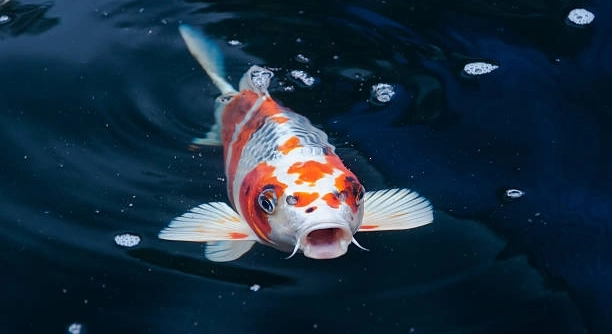
Are your koi showing signs of low energy and inactivity? This can be worrying for any koi owner who cares about their fish’s health and happiness. Understanding the reasons behind this behavior is essential for proper care.
Low energy in koi is often caused by water quality issues, temperature fluctuations, or illness. Ensuring clean water, stable conditions, and prompt treatment can help restore their vitality and prevent further health problems.
Knowing how to spot early signs and respond correctly will keep your koi thriving and lively for years to come.
Common Causes of Low Energy in Koi
Koi fish may lose energy for several reasons. One main factor is poor water quality. High levels of ammonia, nitrites, or nitrates can stress koi and make them sluggish. Temperature changes also affect koi activity. If the water is too cold or too hot, their metabolism slows down, causing low energy. Another common issue is disease or parasites. These can weaken koi and reduce their swimming or feeding habits. Even overfeeding or poor diet can impact their energy levels. Monitoring water conditions, feeding properly, and checking for signs of illness can help keep koi healthy and active.
Water quality should be tested regularly to catch any harmful changes early.
Addressing these issues quickly can improve your koi’s energy. Keeping water clean and stable supports their natural behavior and helps prevent illness. Proper feeding and care will make a noticeable difference in their activity and overall well-being.
Checking Water Quality
Testing your pond water regularly is essential for healthy koi. Poor water conditions can quickly affect their energy. Use reliable test kits to measure ammonia, nitrite, nitrate, pH, and temperature.
If you notice water quality issues, perform partial water changes and clean filters. Keeping the pond balanced supports koi health and encourages natural activity. Clean water reduces stress and helps prevent disease, which is key to restoring energy in your fish. Regular monitoring helps spot problems before they worsen and keeps your koi comfortable in their environment.
Temperature and Koi Energy
Koi are cold-blooded, so water temperature greatly affects their activity. When water is too cold, their metabolism slows, making them less energetic. In warmer water, they become more active.
During colder months, koi naturally reduce their movement to conserve energy. If temperatures drop suddenly, koi may appear lethargic or hide at the pond bottom. Sudden temperature changes can also stress koi and weaken their immune systems. Maintaining a stable temperature helps keep koi comfortable and energetic. Using pond heaters or insulating the pond can prevent extreme fluctuations. Monitoring water temperature regularly allows you to adjust care and prevent low energy due to cold stress.
Signs of Illness in Koi
Lack of energy in koi can indicate illness. Look for other symptoms such as loss of appetite, unusual swimming patterns, or visible spots. Illnesses often cause koi to hide or stay still for long periods.
If your koi show signs of sickness, isolate them to avoid spreading disease. Treating infections or parasites early improves recovery chances. Poor water quality, stress, or injuries can lead to illness, so address these factors as well. Regular observation and quick action help maintain koi health and prevent energy loss caused by disease or infection.
Diet and Energy Levels
Koi need a balanced diet to stay active and healthy. Poor nutrition can make them weak and less energetic. Feeding high-quality koi food and avoiding overfeeding helps maintain their energy.
A diet lacking essential nutrients or too many treats can cause health problems. Stick to a regular feeding schedule and adjust portions based on the season.
Stress and Its Impact
Stress lowers koi energy and weakens their immune system. Causes include overcrowding, sudden changes, and loud noises. Reducing stress factors supports their health and activity.
Keeping the environment calm and stable helps koi feel secure and energetic.
How to Encourage Activity
Adding plants or hiding spots can make koi feel safe, encouraging them to swim more. Gentle water movement also stimulates activity.
Regular pond maintenance and a clean environment help koi stay lively and curious.
When to Consult a Vet
If koi remain lethargic despite care, professional advice is needed. Early diagnosis prevents worsening conditions and improves chances for recovery.
Why is my koi showing no energy even though the water looks clean?
Clean water is important, but it’s not the only factor affecting koi energy. Sometimes, harmful chemicals like ammonia or nitrites can still be present in small amounts that aren’t visible. These chemicals stress the fish and lower their activity. Also, temperature and oxygen levels affect energy. Even with clear water, low oxygen or cold temperatures can make koi sluggish. Testing water parameters regularly is essential. If everything seems fine but koi are still inactive, check for illness or stress factors like overcrowding or sudden changes in environment.
How can I improve my koi’s energy quickly?
Start by testing and improving water quality. Change part of the water if ammonia, nitrite, or nitrate levels are high. Make sure the temperature is stable and suitable for koi, ideally between 59°F and 77°F (15°C to 25°C). Feed a high-quality diet in proper amounts, avoiding overfeeding. Reduce any stressors like loud noises, sudden pond changes, or overcrowding. Adding aeration can help increase oxygen, which supports energy. If koi still show low energy, check for signs of illness and consider a vet’s help.
Can water temperature alone cause koi to be inactive?
Yes, koi are cold-blooded, so their body temperature changes with the water. In cold water, koi slow down to conserve energy, often resting at the pond bottom. This is natural in winter but can worry owners if unexpected. Warm water makes koi more active, but too warm (above 80°F or 27°C) can cause stress and reduce activity. Keeping water temperature stable is key. Use heaters or pond covers in colder months and shade or aeration in hot weather to keep koi comfortable.
Is it normal for koi to be inactive sometimes?
Yes, koi naturally slow down during cold months or rest after feeding. They may also hide when stressed or during illness. However, if inactivity lasts a long time or is combined with other symptoms like loss of appetite, unusual swimming, or visible spots, it could indicate a problem. Observing koi regularly helps distinguish normal behavior from signs of trouble. Proper pond care and feeding usually keep koi active and healthy.
Could diet cause my koi to lose energy?
Definitely. Poor nutrition or overfeeding can make koi weak and lethargic. Koi need a balanced diet rich in protein, vitamins, and minerals. Overfeeding leads to poor water quality, which also reduces energy. Feed koi high-quality food designed for their species, and adjust the amount according to the season—less in cold months when metabolism slows. Avoid feeding spoiled or inappropriate foods, which can cause digestive issues and low energy.
How do I know if my koi is sick or just resting?
Look for signs beyond inactivity. Sick koi may lose appetite, have clamped fins, swim erratically, or show spots, redness, or swelling. They may stay isolated or gasp at the surface. Resting koi usually stay near the bottom but respond to movement or feeding. If inactivity is sudden or prolonged with other symptoms, it’s likely illness. Prompt action, such as water testing and isolation, can help prevent spread and improve recovery.
Can stress affect my koi’s energy?
Stress has a big impact on koi energy and health. Causes include poor water quality, overcrowding, loud noises, sudden changes, or predators nearby. Stress weakens their immune system, making them vulnerable to disease and less active. Reducing stress involves keeping the pond clean, maintaining stable conditions, avoiding sudden disturbances, and providing hiding spots. Calm environments encourage koi to swim and feed normally.
When should I consult a vet for my koi?
If koi remain inactive despite good water quality, stable temperature, and proper care, it’s time to consult a vet. Also seek help if koi show symptoms like loss of appetite, visible sores, abnormal swimming, or rapid breathing. Early diagnosis and treatment of infections or parasites improve chances of recovery. A vet can provide medications and guidance tailored to koi health issues.
Can poor oxygen levels cause low energy in koi?
Yes, low oxygen reduces koi activity. Fish need oxygen to breathe, and stagnant or overcrowded ponds often have low oxygen levels. Symptoms include gasping at the surface and sluggish movement. Aerators, fountains, or water circulation help increase oxygen. Monitoring oxygen levels especially during warm weather or winter ice cover supports koi energy and health.
Is overfeeding a common reason for koi lethargy?
Overfeeding is a common cause of koi lethargy because uneaten food decomposes and pollutes the water. Poor water quality then stresses koi, lowering energy. Feeding small amounts that koi can consume within a few minutes prevents leftover food and keeps the pond clean. Regular water testing and cleaning also reduce problems caused by overfeeding.
When koi show no energy, it often signals that something in their environment or care routine needs attention. Low energy in koi can result from a variety of factors such as water quality, temperature, diet, stress, or illness. Each of these aspects plays an important role in maintaining healthy and active fish. Addressing these issues early can prevent further health problems and help koi regain their usual vitality. Taking simple but consistent steps like testing water, feeding properly, and observing koi behavior is key to keeping them lively.
Water quality is one of the most important elements for koi health. Even if the water looks clear, hidden issues like high ammonia or nitrite levels can harm koi and make them inactive. Regular testing helps identify these problems quickly. Keeping the pond clean, maintaining a stable temperature, and ensuring good oxygen levels also support energy and well-being. If water conditions are not stable, koi may become stressed or sick, leading to loss of energy and other health concerns.
Caring for koi means paying attention to small details and responding quickly to changes in behavior. If koi seem tired or inactive for long periods, look for signs of illness and reduce any stress factors in their environment. Feeding a balanced diet and avoiding overfeeding also make a big difference. When problems persist despite good care, consulting a vet is important. Overall, understanding what affects koi energy helps create a safe, comfortable home where koi can thrive and enjoy a healthy, active life.

Hello,
If you enjoy the content that we create, please consider saying a "Thank You!" by leaving a tip.
Every little bit helps us continue crafting quality advice that supports the health, happiness, and well-being of pets around the world, for pets of all shapes, sizes, and species.
We really appreciate the kindness and support that you show us!