
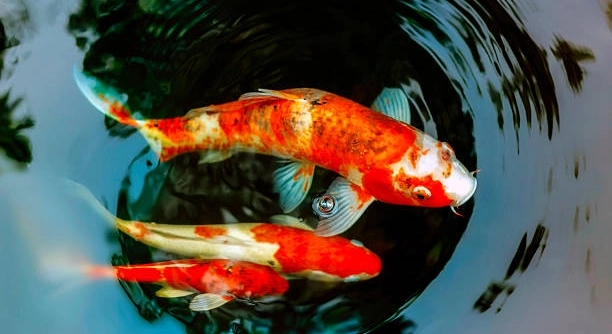
Outdoor koi ponds require special care during winter to keep the fish healthy and the environment stable. Cold weather can affect water quality and koi behavior. Proper preparation helps avoid common problems throughout the cold months.
Maintaining an outdoor koi pond in winter involves monitoring water temperature, preventing ice buildup, ensuring proper oxygen levels, and protecting koi from stress. These steps are essential to safeguard fish health and pond balance during cold weather conditions.
Following these tips can help you maintain a thriving pond all winter long. With simple adjustments, your koi will stay healthy and comfortable despite the cold season.
Preparing Your Pond for Winter
Getting your koi pond ready for winter is important to protect your fish and keep the water clean. Start by removing any debris like leaves, dead plants, or excess algae. These can rot and pollute the water as temperatures drop. Check your pond’s filtration system and clean or replace filters to ensure it runs smoothly during colder months. It’s also a good idea to trim back aquatic plants that could die off and cause water quality issues. Adding a pond heater or de-icer helps prevent ice from completely freezing over, allowing gas exchange to continue. Make sure your pond water is deep enough—at least three feet—so koi can move to warmer, deeper areas. Testing water parameters such as pH, ammonia, and nitrites before winter helps maintain a healthy environment for your fish. These preparations reduce winter stress and improve koi survival through cold weather.
Winter pond care starts with thorough cleaning and maintaining filtration. Keeping the water clear and oxygenated supports koi health.
Preparing early ensures your koi face winter with less risk. These simple steps reduce problems caused by cold weather and help your pond stay balanced until spring.
Managing Ice Formation in Winter
Ice can be dangerous for koi if it covers the pond completely. A thin layer of ice can trap harmful gases and lower oxygen levels. Using a pond heater or floating de-icer keeps a small area free of ice. This spot allows oxygen to enter and gases to escape. Avoid breaking ice by force since it can stress or injure the fish. Instead, focus on prevention through proper tools. You can also use a small water pump or air stone to keep water moving and reduce ice buildup naturally. Maintaining open water is essential to prevent fish suffocation and keep your pond ecosystem healthy during freezing conditions.
Keeping part of your pond ice-free is necessary for fish survival.
Using heaters, pumps, or air stones to maintain open water helps your koi breathe and stay healthy under the ice. Preventing complete freeze-over avoids dangerous conditions in winter.
Feeding Koi During Winter
Koi metabolism slows down as water temperature drops, so they need less food. Feeding should be reduced or stopped when water falls below 50°F (10°C) to avoid health problems.
At colder temperatures, koi cannot digest food properly, which may cause illness or water pollution from uneaten food. It’s best to switch to a high-quality wheat germ food when temperatures are between 50°F and 60°F. This type of food is easier to digest and provides necessary nutrients. When the temperature drops below 50°F, stop feeding entirely and let the koi rely on their stored energy to survive winter.
Keeping feeding minimal or off during cold months helps maintain water quality and prevents koi health issues. Overfeeding can quickly harm the pond’s environment and stress your fish when their digestive systems slow down.
Monitoring Water Quality Closely
Cold weather affects water chemistry and oxygen levels in your pond. Regular checks are important to maintain a safe environment for your koi during winter.
Test your pond water frequently for pH, ammonia, nitrites, and nitrates. These levels can shift as organic material decomposes slower in cold water, but buildup still occurs. Also, ensure oxygen levels stay adequate by using aeration devices like air stones or pumps. Poor water quality causes stress and disease in koi, especially during winter when fish are more vulnerable. Adjust filtration and perform partial water changes if needed to keep parameters stable. Preventing harmful chemical buildup helps koi remain healthy throughout the cold season. Regular monitoring supports quick action before conditions worsen.
Reducing Pond Activity
Lowering pond activity in winter helps keep koi calm and reduces stress. Turning off pumps and waterfalls at night can prevent chilling and save energy.
However, some water movement is necessary to maintain oxygen levels. Use air stones or low-power pumps to keep water gently circulating without causing too much disturbance to the fish.
Protecting Koi from Extreme Cold
Covering parts of your pond with floating pond blankets or foam covers helps protect koi from harsh cold winds and temperature swings. These covers reduce heat loss and keep the water temperature more stable during freezing nights.
It’s important that covers still allow some air exchange so harmful gases don’t build up under the surface. This protection lowers stress for koi and keeps them safer during the coldest days.
Checking Pond Equipment
Regularly inspect heaters, air pumps, and filters throughout winter to ensure they work correctly. Equipment failure can quickly create dangerous conditions for koi.
Avoid Sudden Water Changes
Drastic water changes during winter can shock koi and disturb the pond’s balance. Make any adjustments slowly and carefully to protect your fish.
FAQ
How often should I feed my koi during winter?
Koi metabolism slows down significantly in cold water. When temperatures drop below 50°F (10°C), it’s best to stop feeding entirely. Between 50°F and 60°F, feed sparingly with a wheat germ-based food that is easy to digest. Overfeeding can cause uneaten food to decay, polluting the water and stressing the fish.
Can koi survive under ice?
Yes, koi can survive under ice if the pond has enough oxygen and space. Ice that completely seals the surface can trap harmful gases and reduce oxygen levels, which is dangerous. Keeping a hole open using a pond heater, de-icer, or aeration device helps maintain gas exchange and keeps koi healthy.
What water temperature is too cold for koi feeding?
Koi generally stop digesting food properly below 50°F (10°C). Feeding below this temperature can lead to food sitting in their digestive systems, causing illness. It’s safer to stop feeding when the pond water cools past this point and resume feeding only when temperatures rise again.
How do I prevent my pond from freezing solid?
Using a pond heater, floating de-icer, or air pump keeps parts of the pond free of ice. Maintaining at least one hole or open water area allows gases to escape and oxygen to enter. Avoid breaking ice manually, which can stress or injure koi. Gentle water circulation helps prevent full freeze-over naturally.
Should I turn off my pond filter in winter?
No, filters should generally stay on but may be run at reduced capacity to avoid chilling the water too much. Filters help keep water clear and remove toxins. Make sure your filtration system is clean before winter to reduce strain. Some pond owners turn off pumps at night but keep aeration devices running.
How do I monitor water quality in winter?
Test your pond water regularly for pH, ammonia, nitrites, and nitrates. Cold temperatures slow down bacterial activity, which can cause changes in water chemistry. Maintaining good oxygen levels with aeration devices and partial water changes when needed keeps water healthy for koi.
What are signs that my koi are stressed by winter conditions?
Signs include reduced movement, gasping near open water, loss of appetite, or hiding excessively. Stressed koi may also show unusual behavior or discoloration. These symptoms often indicate low oxygen or poor water quality. Taking steps to maintain open water, proper oxygen, and stable conditions helps reduce stress.
Can I add new fish during winter?
It’s best to avoid adding new koi in winter. Cold water slows healing and increases stress, making new fish more vulnerable to disease. Introducing new fish is safer in spring or summer when water temperatures are warmer and koi immune systems are stronger.
How deep should my pond be for winter survival?
A depth of at least three feet is ideal. Deeper water provides a more stable temperature zone for koi to move to warmer layers during winter. Shallow ponds are at higher risk of freezing solid, which can endanger your fish.
Is it necessary to trim pond plants before winter?
Yes, trimming dead or dying aquatic plants helps reduce debris buildup, which can rot and affect water quality. Removing excess plant matter before winter prevents the release of harmful substances as it decomposes slowly in cold conditions. Trimmed plants also improve oxygen flow and reduce shelter for pests.
What should I do if my pond freezes completely?
If your pond freezes over fully, try to carefully create a small hole for air exchange without disturbing the fish. Use warm water or a pond heater to melt a spot. Avoid breaking ice forcefully. Monitor oxygen levels closely and aerate if possible to protect your koi.
How often should I check my pond during winter?
Check your pond at least once or twice a week to ensure equipment is working, water is clear, and ice is not sealing the surface. Regular observation helps catch problems early before they become serious. Adjust your care routine based on weather conditions.
Can I use salt in my pond during winter?
Salt can help reduce stress and treat minor infections, but use it sparingly in winter. Koi are more sensitive to changes in water chemistry during cold months. Consult pond care guidelines or a professional before adding salt to avoid harming your fish or beneficial bacteria.
Are there any risks to koi during winter besides cold?
Yes, low oxygen and poor water quality are common risks. Ice cover limits gas exchange, while decomposing organic matter releases toxins. Stress from sudden temperature changes or improper feeding can weaken koi’s immune systems. Good pond maintenance minimizes these risks.
What equipment is essential for winter pond care?
A pond heater or de-icer to keep part of the surface ice-free, aeration devices like air stones or pumps to maintain oxygen, and a reliable filtration system are key. Also, tools to monitor water quality and a thermometer to track temperature help maintain a safe environment.
These frequently asked questions cover common concerns and practical tips to keep your koi pond healthy through winter. Following these guidelines can help protect your fish and pond ecosystem until warmer weather returns.
Winter care for outdoor koi ponds requires attention to detail and consistent effort. The cold season challenges both the pond environment and the koi fish living in it. Proper preparation before winter arrives is essential to protect the fish and maintain water quality. Simple actions like cleaning debris, trimming plants, and checking equipment can make a big difference. Keeping a hole open in the ice and monitoring water temperature help ensure the fish have enough oxygen to survive. These small steps reduce stress and support the health of koi during colder months.
Feeding koi correctly in winter is another important aspect of pond care. Because koi become less active and their digestion slows down, feeding needs to be adjusted or stopped depending on the water temperature. Giving koi food when the water is too cold can cause health problems and pollute the pond. Switching to a special low-protein wheat germ food in early winter and stopping feeding entirely when the temperature drops too low helps keep koi healthy. Avoiding overfeeding also helps prevent water pollution and keeps the pond environment stable.
Finally, regular monitoring of water quality and equipment is necessary throughout winter. Testing for ammonia, nitrites, pH, and oxygen levels helps catch any problems before they affect the fish. Equipment like filters, heaters, and air pumps must be checked often to ensure they are working properly. Failure of these systems during winter can quickly create dangerous conditions for koi. Staying proactive with pond care and paying close attention to changes in the environment will help your koi pond remain balanced and your fish safe until spring arrives. Winter care may require patience, but it is rewarding to see your koi thrive year-round.

Hello,
If you enjoy the content that we create, please consider saying a "Thank You!" by leaving a tip.
Every little bit helps us continue crafting quality advice that supports the health, happiness, and well-being of pets around the world, for pets of all shapes, sizes, and species.
We really appreciate the kindness and support that you show us!