
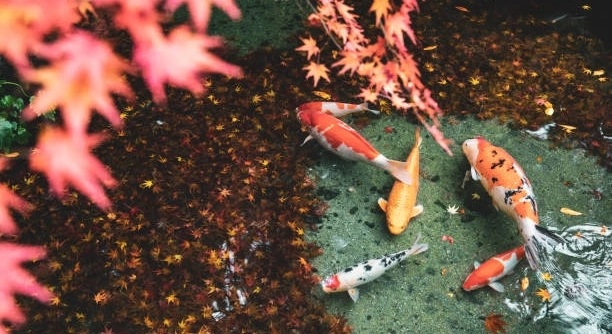
Koi fish display unique behaviors during mating season that can be fascinating to observe. These changes in activity and interaction help them prepare for reproduction. Understanding these behaviors provides insight into their natural life cycle and environment.
During mating season, koi fish exhibit increased chasing, nipping, and territorial displays. These behaviors are part of their reproductive strategy, aimed at stimulating spawning and ensuring successful fertilization. Recognizing these patterns is essential for proper koi care and breeding management.
Observing koi mating behavior can enhance your appreciation of their natural instincts and improve how you support them during this critical time.
Signs of Koi Fish Mating Behavior
During mating season, koi fish become noticeably more active and display specific behaviors to attract mates. They often chase one another vigorously, with males pursuing females around the pond. This chasing can sometimes appear aggressive, as males may nip at the females’ fins and bodies to encourage spawning. Increased territorial behavior is also common, with koi establishing dominance over certain areas. These actions signal readiness for reproduction. The water temperature rising to around 65–75°F usually triggers this behavior, and it typically occurs in spring or early summer. Understanding these signs helps pond owners prepare for spawning and manage their koi more effectively.
Mating season behaviors are normal and temporary. They rarely cause lasting harm but should be monitored to prevent excessive stress or injury.
Careful observation during this time can enhance breeding success. Providing a suitable environment, including clean water and spawning areas like plants or mats, encourages healthy reproduction and supports koi wellbeing.
Preparing the Pond for Mating Season
Cleaning the pond and maintaining optimal water quality are essential before mating begins. Removing debris and performing partial water changes create a healthier environment that supports egg development and fry survival. Ensuring stable water temperature and oxygen levels helps reduce stress for breeding koi. Adding spawning materials such as aquatic plants or spawning brushes gives females places to lay eggs securely. This preparation minimizes risks of eggs being eaten or damaged and increases the chance of successful hatching. Adjusting feeding routines to include higher protein foods can also improve koi condition during this demanding period. Proper pond preparation leads to healthier offspring and reduces complications during the breeding process.
Common Mating Behaviors in Koi
Chasing and nudging are the most obvious behaviors during koi mating season. Males pursue females closely, sometimes bumping them to encourage egg release.
Males become more territorial, often competing for prime spots near spawning sites. This competition can lead to visible dominance displays and occasional minor skirmishes. Despite this, aggression rarely causes serious injury, but monitoring is important to maintain balance in the pond.
Females usually respond by swimming near plants or spawning mats, where they lay eggs. After egg release, males fertilize the eggs immediately. This sequence repeats several times during the breeding period. Understanding these behaviors helps in creating a supportive environment for successful spawning and minimizing stress on the fish.
Monitoring Health During Mating Season
Stress levels can rise due to increased activity and competition, making koi more vulnerable to illness. Keeping a close watch on koi health during this time is crucial.
Ensure water parameters remain stable, especially oxygen and temperature, to support immune function. Provide a balanced diet rich in nutrients to help koi maintain strength. Watch for signs of injury from chasing, such as torn fins or skin damage, and separate fish if necessary to prevent infection. Regular observation allows early detection of problems and prompt care, which can prevent more serious health issues during this demanding period.
Signs of Successful Spawning
Eggs are usually visible attached to plants or spawning mats shortly after mating. They appear as small, clear or slightly opaque clusters.
Healthy eggs develop a white fungal coating within a few days if not fertilized. Fertilized eggs will darken and eventually hatch into fry, usually within a week.
Caring for Koi Fry
Once hatched, koi fry need gentle care. Providing a safe environment with calm water and appropriate food like infusoria or specialized fry food supports their early growth.
Avoiding Overcrowding
Overcrowding can stress both adult koi and fry. Maintaining proper stocking levels promotes healthy development and reduces aggression.
FAQ
How long does koi mating season last?
Koi mating season generally lasts several weeks, typically from late spring through early summer. The exact timing depends on water temperature and environmental conditions. Once water temperatures consistently reach around 65–75°F, koi begin to show mating behaviors. The active spawning period usually lasts between two and four weeks, during which multiple spawning events can occur. After this time, mating activity gradually decreases as water temperatures rise further.
What triggers koi fish to start mating?
Rising water temperature is the primary trigger for koi mating behavior. When temperatures reach the optimal range between 65 and 75°F, hormonal changes in the fish stimulate spawning instincts. Other factors include increased daylight hours and suitable environmental conditions, such as clean water and adequate spawning sites. These conditions together signal koi that it is time to reproduce.
Can koi fish mate without plants or spawning mats?
Koi can mate without plants or spawning mats, but these surfaces provide ideal locations for egg attachment. Natural aquatic plants or artificial spawning mats protect eggs from being eaten or damaged and offer stability during development. Without suitable surfaces, eggs may fall to the pond bottom, where survival chances decrease significantly.
How many eggs does a female koi lay?
A female koi can lay thousands of eggs during a single spawning event, ranging from 10,000 to 30,000 eggs depending on her size and health. Not all eggs survive to hatch, so the large number increases the chance that some fry will develop successfully.
Do male koi fight during mating season?
Males often display competitive behaviors such as chasing and nipping each other to establish dominance near females. While this can look aggressive, serious injuries are uncommon if the pond is large enough and well-maintained. Monitoring helps prevent excessive aggression or harm.
How can I tell if koi eggs are fertilized?
Fertilized eggs typically turn darker within 24–48 hours after spawning. They develop a healthy, translucent appearance before darkening as the embryos grow inside. Unfertilized eggs usually become cloudy or develop white fungus and should be removed to protect healthy eggs.
When do koi fry start swimming freely?
Koi fry hatch within about 4 to 7 days after eggs are fertilized, depending on water temperature. After hatching, they remain attached to the spawning surface or pond bottom for several days while absorbing their yolk sacs. Once the yolk is absorbed, usually after 3 to 5 days, fry start swimming freely and searching for food.
What should I feed koi fry?
In the first few days, koi fry rely on their yolk sacs for nutrition. Once they begin swimming freely, feeding should start with very small foods like infusoria or commercially available liquid fry food. As they grow, transition to finely crushed flakes or pellets designed for young fish. Proper nutrition is key for healthy growth.
Is it necessary to separate adult koi from fry?
Separating adult koi from fry is recommended because adults may eat the small, vulnerable fry. Using a breeding tank, netted area, or separate pond section protects young fish until they are large enough to avoid predation.
How often should I clean the pond during spawning season?
Regular partial water changes every 3 to 5 days help maintain water quality without stressing the fish. Avoid complete cleanings during spawning, as they can disrupt eggs and fry. Removing debris and excess organic matter prevents harmful bacteria or fungus growth.
Can koi spawn multiple times in one season?
Yes, koi can spawn multiple times throughout the mating season. Mating behavior and egg laying usually occur several times over several weeks, provided water conditions remain suitable. Multiple spawning increases the chances of successful reproduction.
What is the best temperature for koi mating?
The ideal water temperature for koi mating is between 65°F and 75°F. Below this range, koi remain inactive, and above it, spawning activity typically decreases. Maintaining stable temperatures within this range promotes consistent mating behavior and egg development.
Do koi fish need specific lighting during mating season?
Natural daylight cycles are sufficient to stimulate koi mating behavior. Artificial lighting is generally unnecessary if koi are kept outdoors. Indoors or in controlled environments, replicating natural day length helps maintain normal hormonal cycles.
Can koi mating behavior damage the pond environment?
Increased activity during mating season can stir up sediment and disturb plants, especially in smaller ponds. Providing adequate space and hiding spots helps minimize environmental stress. Regular maintenance supports pond health during this active period.
How long does it take for koi fry to grow into adult fish?
Koi fry grow rapidly in their first year, reaching 6 to 8 inches. Full adult size, typically 18 to 24 inches, takes several years depending on genetics, diet, and environment. Proper care during early stages ensures healthy development.
What precautions should I take during koi mating season?
Maintain stable water conditions, provide clean spawning sites, and monitor fish for signs of stress or injury. Avoid sudden changes in temperature or water chemistry. Feeding high-quality food supports breeding koi. Taking these steps helps ensure a successful mating season with healthy offspring.
Final Thoughts
Koi fish exhibit distinct behaviors during mating season that reflect their natural reproductive instincts. Understanding these behaviors helps pond owners provide a suitable environment for spawning. Activities such as chasing, nudging, and territorial displays are common and part of the breeding process. While these behaviors can seem intense, they are usually harmless if the pond space and conditions are adequate. Observing these natural patterns can deepen appreciation for koi as living creatures with unique needs.
Maintaining proper water quality and stable conditions during mating season is essential for koi health. Changes in water temperature, oxygen levels, or cleanliness can affect their ability to reproduce successfully. Regular monitoring and maintenance prevent stress and illness that could interfere with spawning. Providing safe spawning surfaces, such as plants or mats, supports egg development and increases the chances of fry survival. Ensuring the koi have enough space to reduce aggression also contributes to a healthier environment.
Taking care of koi during mating season requires attention and patience. The increased activity and competition can be demanding on the fish, so keeping stress low is important. Watching for signs of injury or illness allows early intervention and helps protect the koi population in the pond. Supporting fry development with proper feeding and protection from adults is equally important for long-term success. Overall, a thoughtful approach to koi breeding results in a thriving pond community and a rewarding experience for the caretaker.

Hello,
If you enjoy the content that we create, please consider saying a "Thank You!" by leaving a tip.
Every little bit helps us continue crafting quality advice that supports the health, happiness, and well-being of pets around the world, for pets of all shapes, sizes, and species.
We really appreciate the kindness and support that you show us!