
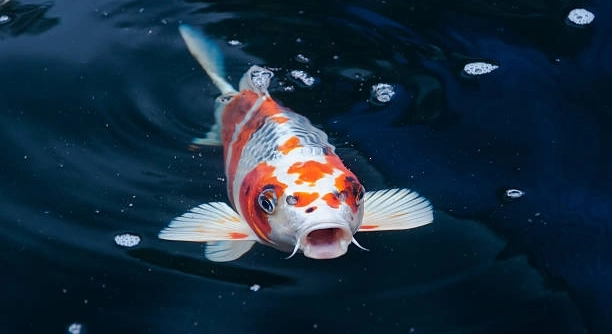
Keeping koi fish healthy is important for any pond owner. Parasites can cause serious problems if left unchecked. Knowing how to prevent these pests helps maintain a vibrant and thriving koi environment.
Preventing parasites in koi fish involves maintaining clean water, regular health checks, and using appropriate treatments when necessary. Proper quarantine and balanced nutrition also reduce the risk of infections and improve overall fish immunity.
These simple but effective tips can protect your koi from common threats. Keeping your fish safe ensures a peaceful, beautiful pond for years to come.
Keep the Water Clean and Well-Filtered
Maintaining clean water is essential for preventing parasites in koi fish. Parasites thrive in dirty or stagnant water where waste and uneaten food build up. A good filtration system removes debris and harmful substances that could encourage parasite growth. Regularly changing a portion of the pond water also helps keep conditions healthy. It’s important to test water quality often for ammonia, nitrites, and pH levels. Balancing these factors creates an environment that supports your koi’s immune system, making it harder for parasites to take hold. In my experience, a clean pond not only reduces parasites but also helps koi look brighter and swim more actively. Even if you have a large pond, setting a cleaning schedule makes the task manageable and keeps problems from developing.
Clean water means healthier koi, so don’t overlook this basic step in parasite prevention.
A reliable filter and partial water changes are simple ways to maintain good water quality and reduce parasite risks.
Regular water testing and maintenance are key to creating a safe environment that keeps koi free from parasites and stress. Taking these steps early makes a big difference in the long run.
Quarantine New Fish Before Adding Them
Quarantining new koi before introducing them to your main pond is an effective way to prevent parasites. New fish can carry parasites or diseases that may not be visible at first. Keeping them in a separate tank for at least two weeks allows you to monitor their health closely. During this time, you can treat any signs of illness or parasites without risking the whole pond. Quarantine tanks also reduce stress on new fish, helping them build strength before joining the group. This step is especially important if you buy koi from different sources or trade fish with others. By isolating new arrivals, you protect your existing koi population from possible infections and ensure everyone stays healthy. Skipping quarantine often leads to expensive treatments and losses that could have been avoided.
Setting up a quarantine tank is a small effort with a big payoff in keeping your pond parasite-free.
When new koi are introduced without quarantine, parasites and infections can spread quickly and silently. Quarantine acts as a barrier that stops problems before they start. During this period, watch for unusual behavior, spots, or skin damage. You can also apply preventative treatments recommended by aquatic specialists to be extra cautious. The quarantine process may feel like a delay, but it saves time and money by preventing outbreaks in your main pond. Always consider quarantine as an essential step, not an option, for maintaining a healthy koi collection.
Provide Balanced Nutrition
Feeding koi a balanced diet strengthens their immune systems and helps them fight off parasites naturally. Poor nutrition weakens fish and makes them more vulnerable to infections.
High-quality koi food with proper vitamins and minerals is essential. Avoid overfeeding, as leftover food pollutes the water and encourages parasite growth. Feeding small amounts several times a day works better than one large feeding. Including occasional treats like shrimp or vegetables adds variety and extra nutrients. Healthy koi are more active and resistant to stress, which also lowers parasite risk. It’s important to adjust feeding amounts based on water temperature and koi activity since their metabolism changes with the seasons. Feeding well is one of the easiest ways to support your koi’s overall health.
Consistent feeding routines create stable conditions in your pond. Healthy fish with good nutrition cope better with minor infections before they become serious.
Balanced diets paired with clean water form the foundation of parasite prevention. Nutritional care helps koi heal faster if parasites do appear and reduces the need for medications.
Regular Health Checks and Observation
Regularly observing your koi for signs of parasites allows early detection and treatment. Look for symptoms like scratching, lethargy, or visible spots. Daily checks help you notice subtle changes before problems worsen. Handling koi gently while inspecting them reduces stress and injury. Use a magnifying glass if needed to spot tiny parasites or damaged scales. Early treatment is more effective and less stressful for fish. Pay attention to koi behavior, swimming patterns, and appetite as these can indicate health issues.
Health monitoring should include checking water parameters alongside physical observations to catch any environmental causes of illness.
Consistency is key—keeping a journal or notes on koi health can help track progress or spot recurring problems. Quick action when signs appear prevents parasites from spreading in your pond. Establishing a routine creates confidence in managing your koi’s well-being and ensures any parasite concerns are addressed promptly and successfully.
Maintain Proper Pond Temperature
Keeping the pond temperature stable helps reduce parasite outbreaks. Sudden changes can stress koi, making them more vulnerable.
Most parasites thrive in warmer water, so avoid letting temperatures rise too high during summer. Use shading or aeration to keep conditions steady.
Use Preventative Treatments
Preventative treatments like medicated baths or dips can stop parasites before they take hold. These treatments should be used carefully and only when necessary to avoid resistance.
Routine use of treatments in quarantine tanks and during seasonal changes helps keep parasites under control. Follow product instructions and consult with aquatic specialists for the best results.
Remove Debris Regularly
Removing leaves, uneaten food, and waste from the pond prevents parasite-friendly environments from developing. Debris breaks down and pollutes the water, increasing risk.
Regular pond cleaning reduces harmful bacteria and parasites. Simple tools like nets and pond vacuums make this task easier and more effective.
What are common signs that my koi fish have parasites?
Common signs of parasites in koi include scratching against objects, lethargy, loss of appetite, and visible spots or lesions on their skin. You may notice your koi swimming abnormally, such as flashing (rapid rubbing) or staying near the surface gasping for air. Parasites can cause inflamed or damaged fins, excess mucus production, and sometimes small worms or cysts on the body. These symptoms often appear gradually, so regular observation is important. Catching signs early makes treatment easier and reduces harm to your fish and pond.
How often should I clean my pond to prevent parasites?
Cleaning frequency depends on pond size and fish load, but generally, partial water changes and debris removal should happen weekly or biweekly. Removing leaves, uneaten food, and waste prevents the buildup of harmful bacteria and parasites. Filters need routine maintenance too, at least monthly or more if heavily used. Regular cleaning keeps water clear and balanced, supporting koi health and reducing parasite risks. Avoid complete water changes as this can shock the fish and disrupt beneficial bacteria.
Can I use medications regularly to keep parasites away?
Using medications only when needed is best. Overuse can cause parasites to develop resistance and may harm beneficial pond life. Preventative treatments are helpful during quarantine or seasonal changes but should be part of a broader care routine including water quality and nutrition. Always follow the instructions carefully and consult experts before applying any chemical treatments. Good pond management often reduces the need for medication.
How does quarantine help with parasite control?
Quarantine keeps new or sick fish separate from your main pond, preventing parasites and diseases from spreading. It allows you to observe and treat fish before mixing them with healthy koi. Two to four weeks is a common quarantine period, during which you monitor water quality and fish behavior closely. This step helps catch infections early, protects your entire pond population, and reduces costly outbreaks.
Is water temperature really that important in parasite prevention?
Yes, temperature plays a major role. Many parasites thrive in warm, stagnant water. Sudden temperature swings stress koi and weaken their immune systems, making infections more likely. Keeping pond temperature stable with aeration, shading, or heaters when necessary helps keep fish healthy and less prone to parasites. Adjust feeding and care based on seasonal changes to support koi during temperature shifts.
What should I do if I notice parasites on my koi?
First, isolate the affected fish to stop parasites from spreading. Check water quality and improve filtration if needed. Use an appropriate treatment recommended for the specific parasite, following all directions carefully. Monitor fish closely during treatment and afterward. Cleaning the pond and quarantining new fish will help prevent future infections. Acting quickly can save your koi from serious health issues.
Are there natural ways to prevent parasites in koi ponds?
Maintaining a balanced ecosystem with clean water, proper plants, and good filtration is one natural method. Some pond owners use beneficial bacteria or enzymes to support water health. Feeding high-quality food and avoiding overcrowding also reduces stress and parasite risk. While natural methods help maintain a healthy pond, sometimes targeted treatments are necessary if parasites appear.
Can parasites harm humans?
Most koi parasites are species-specific and do not infect humans. However, good hygiene is important when handling fish or pond water. Wash hands thoroughly after pond maintenance or treatment applications. Avoid direct contact with open wounds. While risk is low, being cautious protects your health and keeps pond care safe.
How can I tell if my koi are stressed?
Stress signs include erratic swimming, hiding, loss of appetite, or clamped fins. Stressed koi are more vulnerable to parasites and disease. Causes of stress include poor water quality, temperature extremes, overcrowding, or rough handling. Keeping pond conditions stable and monitoring fish behavior daily helps reduce stress and improve overall health.
Preventing parasites in koi fish is an important part of keeping your pond healthy and your fish thriving. Parasites can cause discomfort, illness, and even death if they are not managed properly. By focusing on key steps like maintaining clean water, providing balanced nutrition, and regularly checking your koi’s health, you create an environment where parasites find it difficult to survive. Simple habits, such as removing debris and quarantining new fish, make a big difference in reducing risks. These efforts may take time but are well worth it to protect your koi and enjoy a beautiful, lively pond.
Taking care of your koi means paying attention to both their surroundings and their behavior. Water quality should never be overlooked because poor conditions encourage parasites to multiply. Feeding your fish the right food in the right amounts also supports their immune system, helping them fight off infections naturally. Regularly observing your koi for any signs of stress or illness allows you to act quickly when problems arise. Early intervention is always easier and more effective than waiting until the situation becomes serious. Remember, prevention is better than cure, and consistency in pond care leads to better results over time.
Keeping your koi free of parasites is not about one single action but a combination of many small steps done well. Each part of your routine—from water testing to cleaning, from feeding to quarantining—works together to build a strong defense against parasites. Even if you have faced parasite problems before, these practices can help you get back on track and maintain a healthy pond long term. Watching your koi swim happily and brightly is a reward for the care you put in. Staying patient and consistent will ensure your fish enjoy the best possible environment for years to come.

Hello,
If you enjoy the content that we create, please consider saying a "Thank You!" by leaving a tip.
Every little bit helps us continue crafting quality advice that supports the health, happiness, and well-being of pets around the world, for pets of all shapes, sizes, and species.
We really appreciate the kindness and support that you show us!