
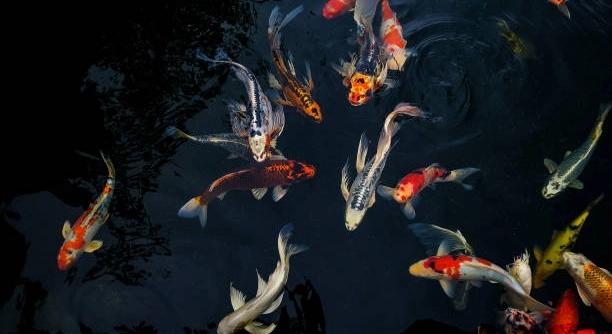
Koi fish are popular for their vibrant colors and graceful movements. Many koi owners want their fish to grow healthy and strong. Understanding what can slow their growth is important for proper care and maintenance.
Several factors can interfere with koi fish growth, including poor water quality, inadequate nutrition, overcrowding, disease, improper temperature, stress, and insufficient oxygen levels. Addressing these issues is essential to promote optimal growth and overall health in koi fish.
Knowing these common growth barriers can help you create a better environment for your koi. This knowledge supports healthier, more vibrant fish over time.
Poor Water Quality
Poor water quality is one of the most common reasons koi fish experience slow growth. When ammonia, nitrite, or nitrate levels rise, it stresses the fish and affects their ability to absorb nutrients. High levels of toxins damage their gills and skin, making it harder for them to breathe and stay healthy. Water pH that is too high or too low also impacts their metabolism, slowing growth. Regular water testing and maintenance are crucial to keep water parameters balanced. Filtration systems help remove harmful substances, but they need proper upkeep. Changing a portion of the water weekly helps maintain cleanliness. Avoid overcrowding the pond, which can deteriorate water quality quickly. Keeping the environment clean ensures koi can focus energy on growing rather than coping with stress or illness.
Maintaining good water quality supports koi health and promotes steady growth. Consistent water care prevents many common problems affecting their development.
Regular water monitoring combined with proper filtration and partial water changes is essential. Balanced water encourages better feeding habits and stronger fish overall.
Inadequate Nutrition
Koi need a balanced diet rich in proteins, vitamins, and minerals to grow well. Feeding low-quality or inappropriate food slows their development. Commercial koi pellets designed for growth contain essential nutrients that support muscle and scale formation. Overfeeding can cause waste buildup, harming water quality and koi health. Underfeeding results in poor growth and weakened immune systems. Variety in diet, including vegetables and occasional treats, provides extra vitamins. Feeding should be adjusted according to water temperature since koi eat less in colder months. Fresh food encourages appetite and supports vibrant coloration. Monitoring feeding habits and adjusting amounts based on activity and season helps maintain healthy growth rates.
Proper nutrition directly influences koi fish growth and overall condition. A carefully managed diet leads to stronger, more colorful fish.
Balanced feeding routines with high-quality pellets and supplemental fresh food improve digestion and nutrient absorption, encouraging healthy size increases. Avoid feeding excess to protect water quality and koi well-being.
Overcrowding
Too many koi in one pond limit their space to swim and compete for food. This competition stresses the fish and restricts their growth.
Overcrowding lowers oxygen levels and increases waste, harming water quality. Koi under stress eat less and are more prone to illness. Each koi requires sufficient space to thrive, which varies depending on their size. Proper pond sizing and avoiding overstocking promote better health and growth. Regular monitoring of fish population helps prevent overcrowding issues. Providing enough space allows koi to swim freely, reducing aggression and stress.
Reducing the number of koi or expanding pond size can solve overcrowding problems. A balanced environment encourages healthy feeding and growth rates, ensuring fish reach their full potential.
Disease and Parasites
Disease and parasites can weaken koi, hindering their growth significantly. Illness reduces appetite and nutrient absorption, causing slow development.
Common infections include bacterial, fungal, and parasitic infestations, each affecting koi differently. Parasites attach to skin or gills, causing irritation and energy loss. Preventing disease requires quarantine for new fish and regular health checks. Maintaining clean water lowers infection risks. Treating infections early improves recovery chances and supports resumed growth. Stress from poor environment or injury also increases vulnerability. Healthy koi are less likely to suffer from disease and more likely to grow properly.
Routine pond maintenance, quarantine practices, and prompt treatment are essential for keeping koi disease-free. Protecting fish health directly impacts their growth and longevity.
Improper Temperature
Koi fish grow best in water temperatures between 65°F and 75°F. Temperatures outside this range slow their metabolism and growth.
Cold water reduces koi activity and appetite, while excessively warm water decreases oxygen levels, causing stress. Maintaining stable temperature supports healthy development.
Stress
Stress negatively affects koi growth by weakening their immune system and reducing feeding. Stressors include sudden changes in environment, handling, and poor water quality.
Minimizing stress through consistent care and proper pond conditions helps koi grow stronger and healthier.
Insufficient Oxygen Levels
Low oxygen levels restrict koi growth by limiting their ability to breathe and absorb nutrients efficiently. Aeration and water movement improve oxygen supply, promoting better health and growth.
What causes koi fish to stop growing?
Koi fish can stop growing due to several reasons, including poor water quality, inadequate nutrition, overcrowding, disease, stress, improper temperature, and low oxygen levels. Each of these factors affects koi metabolism, immune response, and feeding behavior, which are crucial for growth. Maintaining a balanced environment with clean water, proper feeding, and adequate space allows koi to continue growing steadily.
How does water quality affect koi growth?
Water quality impacts koi health directly. High levels of ammonia, nitrites, or nitrates stress koi and damage their gills, reducing their ability to breathe and absorb nutrients. Improper pH levels can disrupt metabolic functions, slowing growth. Consistent water testing, regular partial water changes, and proper filtration help maintain ideal conditions, supporting healthy koi development.
What diet helps koi grow faster?
A balanced diet rich in proteins, vitamins, and minerals supports koi growth. Commercial growth-specific pellets contain nutrients that promote muscle and scale development. Adding fresh vegetables and occasional treats can provide extra vitamins. Feeding amounts should match koi size and water temperature to avoid overfeeding or underfeeding, both of which negatively impact growth.
Can overcrowding stunt koi growth?
Yes, overcrowding limits swimming space and causes competition for food. This increases stress and lowers oxygen levels in the pond. Stress reduces koi appetite and weakens immune defenses, slowing growth. Providing adequate pond size and controlling fish population prevents overcrowding, allowing koi to grow properly.
How do diseases affect koi growth?
Diseases and parasites drain koi energy, reduce appetite, and interfere with nutrient absorption. Infections like bacterial, fungal, and parasitic infestations cause physical damage and stress. Early detection, quarantine of new fish, clean water, and prompt treatment are necessary to minimize growth disruption caused by illness.
What role does temperature play in koi development?
Koi metabolism and appetite are temperature-dependent. Ideal growth occurs between 65°F and 75°F. Cold temperatures slow metabolism and reduce feeding, while excessive heat lowers oxygen levels and increases stress. Keeping water temperature stable within the optimal range supports consistent growth.
Why is oxygen important for koi fish?
Oxygen is essential for koi respiration and nutrient absorption. Low oxygen levels limit these processes, causing lethargy and poor growth. Aeration through pumps or waterfalls enhances oxygen availability, helping koi maintain good health and grow effectively.
How can stress be minimized to promote koi growth?
Stress weakens koi immune systems and reduces feeding. Minimizing sudden environmental changes, avoiding excessive handling, and maintaining stable water quality reduce stress. Calm conditions encourage koi to eat well and grow stronger.
Is overfeeding harmful to koi growth?
Overfeeding can pollute water, leading to poor quality and increased toxins. This stresses koi and harms their health. Feeding controlled amounts according to koi size and activity prevents waste buildup, supporting a clean environment and steady growth.
How often should koi ponds be cleaned?
Regular maintenance, including weekly partial water changes and filter cleaning, is vital. This keeps water free from harmful chemicals and waste. Consistent cleaning reduces stress and disease risks, ensuring koi have optimal conditions for growth.
Final thoughts on koi fish growth emphasize the importance of consistent care and attention to their environment. Many factors can influence how well koi grow, including water quality, nutrition, space, temperature, and health. Keeping these elements balanced and stable creates conditions where koi can thrive and reach their full potential. Ignoring any one factor may slow their growth or cause health problems. Therefore, maintaining good pond hygiene, providing a proper diet, and monitoring water parameters regularly should be priorities for anyone caring for koi.
Understanding the needs of koi fish helps avoid common mistakes that interfere with their development. Poor water quality, such as high ammonia or nitrite levels, can stress fish and damage vital organs. Overcrowding reduces space and oxygen, limiting growth opportunities. Diseases and parasites weaken koi and reduce feeding, while improper temperatures affect metabolism and appetite. Even minor stresses, like sudden changes or rough handling, can impact overall health. Addressing these factors with consistent care reduces risks and supports steady growth.
Patience is also necessary when raising koi. Growth rates vary depending on genetics, environment, and season. Providing a clean, balanced environment with good food and enough space will encourage healthy development. It is important to regularly observe koi behavior and condition to spot any signs of stress or illness early. By understanding and managing the key influences on koi growth, owners can enjoy vibrant, healthy fish over many years. Regular care, attention, and proper maintenance are essential to support koi fish growth effectively.

Hello,
If you enjoy the content that we create, please consider saying a "Thank You!" by leaving a tip.
Every little bit helps us continue crafting quality advice that supports the health, happiness, and well-being of pets around the world, for pets of all shapes, sizes, and species.
We really appreciate the kindness and support that you show us!