
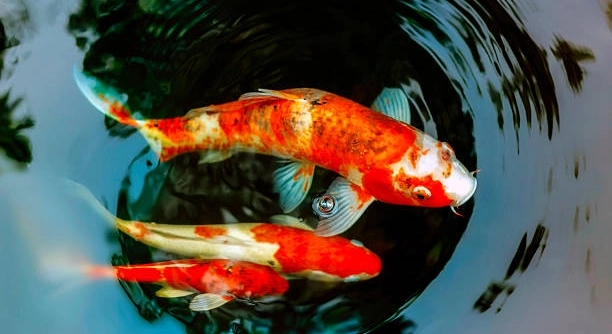
Koi fish are popular in ponds for their bright colors and graceful swimming. Sometimes, these fish may flip over, which can worry their owners. Understanding why this happens helps keep koi healthy and happy in their environment.
Koi fish flip over mainly due to health or environmental stressors such as poor water quality, swim bladder problems, infections, or sudden changes in their surroundings. These issues affect their balance and ability to swim properly.
Recognizing the causes behind this behavior is important for koi care. Knowing what to watch for can improve their well-being and help prevent serious problems.
Poor Water Quality
Poor water quality is one of the most common reasons koi fish flip over. When water has high levels of ammonia, nitrites, or nitrates, it becomes toxic to the fish. This can cause stress, weaken their immune system, and lead to illness. Low oxygen levels in the water also make it hard for koi to breathe properly. Sudden changes in water temperature or pH can shock the fish, affecting their balance and causing them to flip. Keeping the pond clean and testing water regularly can prevent these problems. Using a good filtration system helps remove harmful substances and keeps water healthy. Aeration is also important to maintain enough oxygen. Sometimes, algae blooms or decaying plants reduce water quality, so removing excess debris is necessary. Paying close attention to water conditions will keep koi swimming steadily and avoid flipping.
Poor water quality stresses koi, affecting their balance and health. Maintaining clean, well-oxygenated water helps prevent flipping and supports their well-being.
By regularly testing water parameters, pond owners can spot problems early. Making gradual changes instead of sudden ones helps koi adjust better. Proper filtration and aeration keep the environment stable. Avoid overfeeding, as leftover food can pollute water. It’s also helpful to remove fallen leaves or dead plants quickly. This keeps the pond clear and oxygen-rich. Healthy water reduces risks of infections and swim bladder issues that cause flipping. Observing your koi daily for signs of stress or unusual behavior can guide timely action. Ultimately, a balanced pond environment is the key to keeping koi upright and active.
Swim Bladder Problems
Swim bladder problems affect koi’s ability to control buoyancy.
The swim bladder is an internal organ that helps fish maintain balance and stay upright. When it is damaged or infected, koi may flip or float awkwardly. Overfeeding, swallowing air, or constipation can cause swim bladder issues. Bacterial infections or parasites might also affect this organ. Keeping a balanced diet and avoiding sudden dietary changes can prevent many problems. If swim bladder disorder occurs, treatment often involves fasting, adjusting diet, or medication prescribed by a vet. Early attention to abnormal swimming patterns can help koi recover quickly.
Infections and Parasites
Infections and parasites can cause koi to flip over due to weakness or discomfort. These health issues disrupt normal swimming behavior and balance.
Bacterial infections like dropsy or fin rot weaken the fish, making it hard for them to swim properly. Parasites such as flukes or lice irritate the koi’s skin and gills, causing stress. This stress often leads to abnormal swimming, including flipping. Infections usually develop when water quality is poor or fish are already stressed. Treating infections early with proper medications is important to stop the problem from worsening. Quarantining new fish before adding them to the pond can help prevent spreading parasites or diseases. Observing your koi for signs like clamped fins, ulcers, or rapid breathing helps catch infections early.
Maintaining a clean pond environment and a balanced diet supports the koi’s immune system, making them less vulnerable to infections. Regular health checks and prompt treatment keep koi strong and swimming smoothly.
Sudden Environmental Changes
Sudden changes in temperature, light, or water chemistry can shock koi, causing them to flip over. Rapid shifts disrupt their equilibrium and stress their bodies.
Koi are sensitive to quick changes, especially in water temperature. A sudden cold snap or heatwave can affect their metabolism and buoyancy control. Likewise, abrupt changes in pH or oxygen levels disturb their comfort zone, causing erratic swimming. Even loud noises or disturbances near the pond may frighten koi, triggering flipping as a response. Gradual adjustments to water conditions and maintaining a stable environment help koi adapt better. Using pond covers during extreme weather or avoiding sudden feeding changes can reduce stress. Monitoring weather and water regularly allows you to anticipate and manage changes before koi are affected. Keeping their habitat calm and steady encourages healthy swimming behavior and reduces flipping incidents.
Overfeeding and Constipation
Overfeeding koi can cause constipation, making it difficult for them to swim properly. This can lead to flipping or floating awkwardly in the water.
Too much food clogs their digestive system, putting pressure on the swim bladder. Feeding small amounts and removing leftovers helps prevent this issue.
Injury or Physical Trauma
Koi can flip over due to injuries from rough handling, fights, or accidents in the pond. Wounds or bruises may affect their balance and movement.
Injured koi need a calm, clean environment to recover. Monitoring for signs of injury and reducing stressors can help them heal faster and regain normal swimming.
Genetic or Developmental Issues
Some koi may have genetic defects or developmental problems that affect their swim bladder or muscles. These issues make it hard for them to maintain balance in water.
While these problems can’t always be fixed, providing good care and reducing stress can improve their quality of life.
FAQ
Why do koi fish sometimes float upside down?
Koi fish float upside down mainly because of swim bladder problems or stress. The swim bladder controls their buoyancy. When it is affected by infection, injury, or constipation, koi lose balance and may flip. Poor water quality and sudden environmental changes can also make koi disoriented, causing them to float upside down.
How can I tell if my koi fish has swim bladder disease?
Signs of swim bladder disease include difficulty swimming, floating sideways or upside down, and trouble staying at the bottom or top of the pond. A koi may also appear lethargic or struggle to keep its head above water. If you notice these symptoms, checking water quality and diet is important.
Can overfeeding cause koi to flip over?
Yes, overfeeding is a common cause. Excess food can cause constipation, which puts pressure on the swim bladder and disrupts balance. Feeding koi smaller amounts and removing uneaten food helps prevent this problem and keeps koi healthy.
What role does water quality play in koi flipping over?
Poor water quality causes stress and illness in koi. High ammonia, nitrites, or low oxygen affect their health and ability to swim properly. Regular testing and cleaning of pond water are essential to keep koi balanced and reduce flipping incidents.
Are infections a serious cause of koi flipping?
Infections can be serious if left untreated. Bacterial infections and parasites irritate koi, weaken their immune system, and disturb swimming behavior. Early treatment with appropriate medication improves recovery chances and prevents flipping due to weakness.
How do sudden environmental changes affect koi behavior?
Koi are sensitive to changes in temperature, pH, or oxygen levels. Rapid shifts can shock their system, causing stress and loss of balance. Maintaining stable pond conditions and making gradual adjustments help koi stay calm and swim normally.
Can injuries cause koi to flip over?
Yes, injuries from fights, rough handling, or accidents affect koi’s ability to swim upright. Wounds or bruises may cause disorientation or weakness. Providing a peaceful environment and treating injuries promptly supports healing and proper swimming.
Is flipping always a sign of illness?
Not always. Sometimes koi flip temporarily due to minor stress or changes in the pond. However, persistent flipping often points to health or environmental problems that need attention. Watching for other signs helps determine if treatment is necessary.
Can genetic problems cause koi to flip?
Some koi have genetic or developmental issues affecting their muscles or swim bladder. These koi may struggle with balance throughout life. While these issues can’t be cured, gentle care and a stable environment improve their comfort and reduce flipping.
What should I do if my koi flips over?
Check water quality immediately and correct any problems. Observe the koi for signs of illness or injury. Adjust feeding habits and avoid sudden changes in the pond. If flipping continues, consulting a vet experienced with fish can help identify and treat underlying issues.
Koi flipping over can be worrying to see, but it often points to specific problems in their environment or health. Many factors like water quality, diet, infections, and injuries can affect their balance and cause this behavior. Understanding these reasons helps koi keepers respond quickly and correctly to protect their fish. Taking care of koi means paying close attention to their surroundings and habits to spot issues early. Simple actions like maintaining clean water, feeding proper amounts, and watching for signs of illness go a long way in keeping koi healthy and swimming normally.
It is important to remember that koi are living creatures sensitive to changes. Sudden shifts in temperature, water chemistry, or stress can cause flipping even if the fish seem otherwise fine. Not all flipping means serious illness, but persistent problems should not be ignored. Regular pond maintenance and observation create a stable environment that supports koi well-being. If koi do start flipping often, it is a sign to check water quality, diet, and possible infections. Sometimes, medical treatment or quarantine might be necessary. Keeping koi in good health requires consistent care and learning about their needs.
Overall, koi flipping is a sign that something needs attention. By understanding the common reasons behind this behavior, koi owners can act quickly to prevent further stress or harm. Good pond management, balanced feeding, and early treatment of diseases are the best ways to reduce flipping incidents. Providing a calm, clean, and stable habitat helps koi feel safe and swim properly. With careful care and monitoring, koi can thrive and remain graceful swimmers without the worry of flipping over.

Hello,
If you enjoy the content that we create, please consider saying a "Thank You!" by leaving a tip.
Every little bit helps us continue crafting quality advice that supports the health, happiness, and well-being of pets around the world, for pets of all shapes, sizes, and species.
We really appreciate the kindness and support that you show us!