
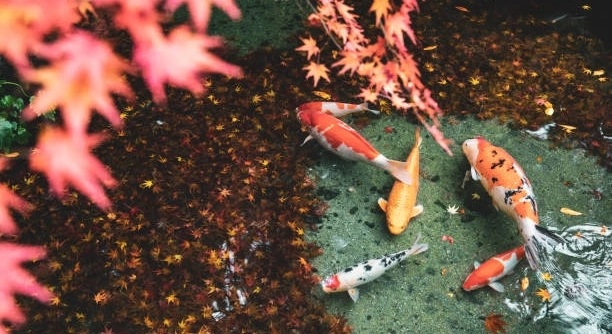
Have you ever watched your koi fish swim aimlessly and wondered if they might be feeling a bit bored in their pond? Sometimes, small behavioral changes can reveal more about their emotional and physical well-being.
Koi fish can show signs of boredom through repetitive swimming patterns, lack of interaction, listlessness, and decreased appetite. Environmental enrichment and social interaction are essential to maintain their mental stimulation and prevent prolonged periods of inactivity.
Understanding these signs will help you create a more engaging environment and support your koi’s health, comfort, and quality of life.
Repetitive Swimming Patterns
When koi fish begin swimming the same path over and over, it may be a sign they are bored. This repetitive behavior often happens when there isn’t enough stimulation in their environment. Koi are intelligent and social fish that thrive in ponds with varying features like plants, rocks, and other fish. Without mental and physical challenges, they may create their own form of entertainment by tracing loops or swimming against the current. While this may seem harmless, it can signal the need for more variety in their space. Introducing obstacles or floating toys can redirect their energy and offer new stimulation. These small additions can prevent monotony and encourage exploration. Over time, reducing repetitive swimming helps support their overall health. Keeping your koi interested in their surroundings goes a long way toward maintaining balance in the pond.
Bored koi often create routines to fill their time, and pacing is one of the most visible changes you’ll notice.
Environmental enrichment can reduce this behavior. Koi enjoy exploring new shapes and textures. Adding logs, tunnels, and safe plants can make their space feel more active and engaging. Rotating pond decorations every few weeks also helps. If you already have multiple koi, observe how group dynamics affect swimming habits. Sometimes dominant koi can limit others’ movement, which causes repetitive swimming. Addressing this may include rearranging space to reduce territorial patterns. Also, consider increasing their feeding frequency in small amounts throughout the day to occupy them more often. Movement in the pond, such as a waterfall or aerator, can further stimulate them. A combination of physical additions and behavioral observation usually brings improvement. Once your koi become more curious and engaged, you’ll notice fewer repetitive movements and more natural interaction in their environment.
Lack of Interaction with Other Koi
Koi that feel bored may start to isolate themselves and show less interest in their tank mates. This shift in behavior is usually gradual.
Social interaction is a big part of koi life. When they’re mentally engaged and happy, koi tend to swim together in groups, especially during feeding times. But if a koi becomes disinterested in other fish, it can be a sign that their environment is too plain or they aren’t being challenged enough. This doesn’t always mean something is wrong health-wise, but it’s worth paying attention to. Adding variety through feeding routines or floating objects can promote group activity again. You may also want to check for bullying or space issues that cause one fish to stay alone. Creating shaded areas or hiding spots can make all koi feel more secure. When koi re-engage with each other, it’s often a sign they’re feeling more content in their environment. Social harmony is important for their well-being.
Listlessness and Low Energy
Koi showing little interest in moving or reacting to their surroundings may be experiencing boredom. This lack of activity can sometimes be confused with illness, but it often reflects a lack of stimulation in their environment.
Koi need space and variety to stay active. When the pond is too small, lacks features, or remains unchanged for long periods, koi may become sluggish. You might notice them hovering in one spot or slowly drifting without interacting with other fish or their surroundings. Changing their daily routine or adding enrichment like floating plants, stones, or feeding toys can spark new energy. Even shifting the position of certain pond features can make a difference. Light, shade, and seasonal adjustments in water temperature also affect koi behavior, so monitor those regularly. Small steps to create a more dynamic space often lead to improved movement and alertness in otherwise inactive koi.
Adding natural stimuli can improve energy levels. Live plants not only enrich the visual appeal but also encourage grazing behaviors that keep koi active. Introducing small currents using water pumps helps simulate the gentle flow of rivers, promoting movement. Floating treats or feedings spread across different areas can increase their activity level as they swim around to eat. Avoid overfeeding, which can worsen inactivity. Watching for subtle changes in posture, such as drooping fins or lack of reaction to nearby motion, can also help gauge their energy levels. Once koi begin to show more consistent movement, especially during feeding or when something enters the pond, it is a good sign that boredom is decreasing. The goal is to provide enough stimulation to keep them curious and moving without overwhelming them with constant change.
Decreased Appetite
When koi fish lose interest in food without signs of illness, it may be linked to environmental boredom. A mentally stimulated koi usually stays engaged during feeding times and shows interest in different types of food.
Rotating their diet with floating pellets, vegetables, or occasional fruits can encourage interest in feeding again. Spreading out food across different areas of the pond also encourages movement. Try using slow-release feeding balls or floating feeders to make the process more engaging. Over time, koi associate mealtime with activity and variety. Avoid feeding at the same time every day if you suspect boredom—it helps to adjust feeding windows slightly. Also, ensure the water conditions support proper digestion. When koi show more enthusiasm during feeding and start seeking out food again, it’s a strong indication their interest has been renewed. Feeding should be both nourishing and mentally engaging to maintain their appetite and energy.
Nipping at Fins or Flashing
Sometimes koi will nip at each other’s fins out of boredom rather than aggression. This usually happens when there’s little else to interact with or when their space feels too bare or repetitive.
Flashing, or rubbing against objects, can also happen when koi feel under-stimulated. It’s their way of engaging with their surroundings.
Hanging Near the Surface
Koi spending long periods near the water’s surface without feeding or seeking attention may be bored. This behavior can look similar to begging, but without interaction or movement, it may signal lack of stimulation. Adding floating plants or light surface movement can break the monotony. Environmental variety matters in keeping koi engaged and curious. When koi become more responsive and start to explore different pond levels, it often means the added enrichment is working. Always check water quality first to rule out stress, then make simple, steady changes to improve their surroundings and promote natural behaviors.
Ignoring New Objects
When bored, koi may ignore new objects placed in their environment. Instead of approaching with curiosity, they may avoid them altogether. This disinterest shows a lack of mental stimulation and can be improved with gradual, engaging changes.
How can I tell if my koi fish is bored or sick?
Boredom and illness in koi can sometimes show similar signs, like lethargy or loss of appetite, but there are differences. If your koi is merely bored, it will often appear sluggish but otherwise healthy, with no physical symptoms like sores, discoloration, or abnormal swimming patterns. Sick koi usually show additional signs such as clamped fins, abnormal breathing, visible wounds, or swelling. To differentiate, check water quality first and observe behavior over several days. If changes persist or worsen, consult a vet. If no illness is found, boredom is a likely cause, especially if the environment lacks stimulation or variety.
What are simple ways to reduce boredom in koi ponds?
Adding physical features like rocks, plants, and hiding spots creates variety and keeps koi curious. Introducing gentle water movement with pumps or waterfalls encourages natural swimming behaviors. Feeding in different locations and at varying times breaks monotony. Floating toys or slow-release feeders can stimulate exploration. Rotating pond decorations every few weeks also helps maintain interest. Providing social interaction by keeping several koi together, when the pond is large enough, is important too. Avoid overcrowding but ensure enough companions to encourage natural social behaviors. Regular maintenance that doesn’t drastically disturb the environment helps maintain balance without causing stress.
Can boredom affect koi fish health?
Yes, boredom can negatively affect koi health. When koi are unstimulated, they may develop repetitive or stressful behaviors such as fin nipping or flashing against surfaces, which can cause injury or open wounds. Low activity levels can weaken their immune system, making them more vulnerable to diseases. Lack of appetite due to boredom can lead to poor nutrition and weight loss. Mentally unstimulated koi also show reduced social interaction, which affects their overall well-being. Keeping koi engaged supports not just their happiness but also their physical health. Regular environmental enrichment and attention to behavioral changes are essential preventative measures.
How often should I change or add new features to my koi pond?
Small changes every few weeks are best to keep koi interested without overwhelming them. Sudden or frequent drastic changes can cause stress. Rotate decorations or add new plants gradually, observing koi reactions. Seasonal changes can also guide adjustments, such as adding floating plants in summer or rearranging features before winter. Introducing new elements slowly helps koi adapt and encourages exploration. Regularly assess pond layout to ensure it remains stimulating and comfortable. Avoid removing too many features at once, as koi rely on established spaces for hiding and social interaction.
Is it normal for koi to be alone sometimes?
Yes, koi may spend time alone occasionally, but persistent isolation can indicate boredom or stress. Koi are naturally social fish and usually prefer groups. If one koi consistently isolates itself, consider possible causes such as bullying, illness, or lack of stimulation. Providing ample space and hiding spots helps reduce territorial behavior and encourages group interaction. Monitor pond conditions and koi health regularly. If the isolated behavior continues despite environmental improvements, consult an expert to rule out underlying issues.
What type of toys or objects are safe for koi ponds?
Safe toys include floating balls, plastic rings, and feeding puzzles designed for aquatic use. Natural elements like driftwood and smooth stones also serve as enrichment without harming koi. Avoid sharp or toxic materials that can injure fish or leach chemicals. Toys should be easy to clean and resistant to algae buildup. Objects that create gentle water movement or allow koi to explore and hide promote mental stimulation. Always monitor koi interaction with new items to ensure they do not cause stress or damage.
How does feeding schedule affect koi boredom?
Feeding koi multiple small meals spread throughout the day encourages activity and curiosity. Feeding once daily can lead to boredom and reduced appetite. Varying feeding times and locations simulates natural foraging and keeps koi alert. Using slow-release feeders or hiding treats among plants promotes natural hunting behaviors. Overfeeding should be avoided, as excess food can harm water quality and fish health. Proper feeding routines balance nutrition and mental engagement, supporting overall koi well-being.
Can adding more koi reduce boredom?
Adding koi can increase social interaction and reduce boredom if the pond is large enough to support additional fish. Overcrowding, however, causes stress and aggression, which worsens the problem. A general rule is one koi per 250 gallons of water to ensure sufficient space. Introducing new koi should be done gradually, with careful quarantine to prevent disease. Monitor group dynamics to identify bullying or isolation. Social enrichment is important but must be balanced with environmental capacity.
What signs show koi are enjoying their environment?
Active swimming, exploring different pond areas, regular feeding response, and social interaction indicate content koi. Bright coloration and healthy fins are also signs of well-being. Engaged koi respond quickly to movement around the pond and investigate new objects or changes. They tend to swim in groups or pairs and show natural behaviors like grazing on plants or resting calmly in shaded areas. When koi exhibit these signs consistently, it usually means their environment meets their physical and mental needs.
Final Thoughts
Recognizing signs of boredom in koi fish is important for their overall health and happiness. Koi are intelligent creatures that need stimulation to stay active and engaged. When their environment lacks variety or enrichment, they may develop behaviors that indicate boredom, such as listlessness, fin nipping, or ignoring new objects. Understanding these signs allows pond owners to take simple but effective steps to improve the koi’s quality of life. This includes adding plants, decorations, or water features that encourage natural behaviors. Providing a more interesting habitat helps prevent stress and potential health problems caused by inactivity or frustration.
Creating a stimulating environment for koi does not require complicated or expensive changes. Small adjustments can make a significant difference. Rotating pond decorations, introducing gentle water movement, and varying feeding routines are practical ways to keep koi curious and engaged. Social interaction with other koi also plays a key role in reducing boredom. However, it is essential to maintain proper pond size and water quality to support healthy fish populations. Regular observation of koi behavior helps identify any new signs of boredom or illness early. Prompt action ensures koi remain comfortable and active in their home.
Overall, paying attention to koi behavior and environment benefits both the fish and their caretakers. A well-maintained pond that provides mental and physical stimulation results in healthier, more vibrant koi. This also creates a more enjoyable experience for those caring for and watching them. Keeping koi engaged through thoughtful pond management helps maintain their natural instincts and promotes long-term well-being. Being proactive about boredom not only protects the fish but also enhances the beauty and life of the pond itself.

Hello,
If you enjoy the content that we create, please consider saying a "Thank You!" by leaving a tip.
Every little bit helps us continue crafting quality advice that supports the health, happiness, and well-being of pets around the world, for pets of all shapes, sizes, and species.
We really appreciate the kindness and support that you show us!