
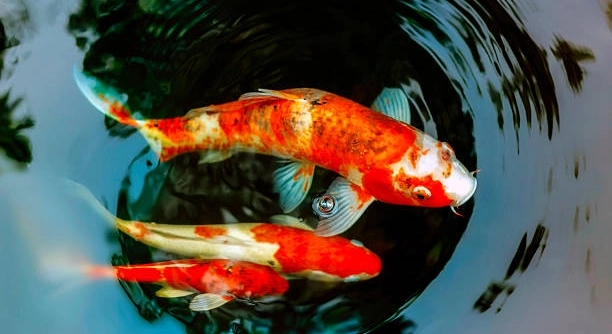
Milky water in koi ponds is a common issue many pond owners encounter. It often appears suddenly and can be worrying for those who care deeply about their fish. Understanding the cause helps maintain a healthy pond environment.
Milky water in koi ponds is primarily caused by bacterial blooms, often resulting from excess nutrients, poor filtration, or sudden changes in water conditions. These factors promote the rapid growth of harmless bacteria that cloud the water temporarily.
Knowing what triggers milky water can help you manage and prevent it effectively. This article explores key reasons and practical steps to keep your koi pond clear and healthy.
Understanding Bacterial Blooms
Bacterial blooms are the most frequent reason for milky water in koi ponds. These blooms happen when bacteria multiply quickly, usually because the pond has too many nutrients like fish waste or uneaten food. When this excess nutrition is present, bacteria feed on it and grow in large numbers. The rapid increase in bacteria causes the water to turn cloudy or milky. This is a natural process and not always harmful, but it can make the pond look unpleasant. Good filtration and regular cleaning help keep nutrient levels low, preventing bacteria from overgrowing. Also, sudden changes in temperature or water chemistry can encourage bacterial blooms. Keeping the pond stable and well-maintained is key to avoiding cloudy water.
Milky water caused by bacterial blooms usually clears up on its own once the bacteria finish consuming the nutrients.
While bacterial blooms are common, keeping the pond clean and stable helps maintain clear water and a healthy environment for your koi.
Other Causes of Milky Water
Algae growth can sometimes cause cloudy water in koi ponds.
Algae can spread quickly under the right conditions, such as sunlight and nutrients in the water. Unlike bacterial blooms, algae often give the water a greenish tint, but in some cases, it can appear milky. Overfeeding fish or poor water circulation can encourage algae growth. In addition to bacteria and algae, suspended particles like dirt or debris stirred up by fish or wind may cause water to look milky. These particles float and scatter light, reducing water clarity. Testing water quality regularly can help identify the exact cause and guide proper treatment. Using proper filtration, controlling feeding amounts, and maintaining good water movement all play important roles in keeping pond water clear and balanced.
How to Prevent Milky Water
Regular maintenance is key to preventing milky water in koi ponds.
Keeping the pond clean by removing debris and uneaten food helps reduce nutrient buildup that feeds bacteria. Using a quality filter and cleaning it regularly supports clear water. Avoid overfeeding your koi, as leftover food contributes to poor water quality. Testing water parameters often can catch imbalances early. Also, adding beneficial bacteria supplements can help maintain a healthy balance in the pond. By following these steps consistently, you create a stable environment that discourages bacterial blooms and keeps water clear.
Aeration improves oxygen levels in the pond, which supports beneficial bacteria and fish health. Proper water circulation prevents stagnant areas where bacteria or algae can multiply unchecked. Installing a good pump system and using air stones or fountains can increase oxygenation. These measures also help distribute heat and nutrients evenly, reducing spots where cloudy water might develop. Taking time to monitor and adjust these factors regularly will keep your koi pond looking its best all year round.
When to Seek Professional Help
If milky water persists despite regular care, it might be time to ask an expert.
Persistent cloudiness can indicate deeper water quality issues or infections affecting your koi. Professionals can test water more thoroughly and recommend specific treatments or equipment upgrades. They can also identify diseases or parasites that cause changes in water appearance. Getting expert advice early helps protect your fish and prevents problems from worsening. Regular check-ups with a pond specialist can keep your pond healthy and clear, saving time and stress in the long run.
Feeding Habits and Water Clarity
Overfeeding koi is a common cause of cloudy water.
Extra food that isn’t eaten breaks down and increases nutrients in the pond. This fuels bacterial growth, which clouds the water.
The Role of Filtration Systems
Filtration is essential for maintaining clear koi pond water. Mechanical filters remove debris, while biological filters help break down harmful substances through beneficial bacteria. A well-maintained filtration system keeps the water clean and balanced by controlling waste and preventing excess nutrients. Regular cleaning and timely replacement of filter media ensure the system works efficiently. Without proper filtration, waste builds up quickly, increasing the chance of milky water and harming fish health. Investing in the right filter and keeping it in good condition is a crucial step in clear pond water care.
Water Testing Frequency
Regular testing helps spot problems before they worsen.
FAQ
What causes milky water in koi ponds?
Milky water is usually caused by bacterial blooms, which happen when there is an excess of nutrients like fish waste or leftover food in the pond. These nutrients feed bacteria, causing them to multiply quickly and cloud the water. Poor filtration, sudden changes in temperature, or water chemistry can also trigger bacterial blooms. Other causes include algae growth or suspended particles like dirt. Proper pond care helps prevent these problems.
Is milky water harmful to my koi?
Milky water itself is usually not harmful if it is caused by bacterial blooms because these bacteria are generally harmless. However, it can reduce oxygen levels in the water, which might stress the fish if it lasts too long. Persistent cloudy water could also signal underlying water quality issues or infections, which would require attention to protect your koi’s health.
How can I clear milky water quickly?
The best way to clear milky water is to reduce nutrient levels in the pond by removing debris and uneaten food. Improve filtration and increase aeration to boost oxygen levels and encourage beneficial bacteria. Partial water changes can help dilute excess nutrients. Avoid overfeeding and test water regularly to catch issues early. Sometimes, adding beneficial bacteria supplements can speed up the clearing process.
Can overfeeding cause cloudy water?
Yes, overfeeding koi is a common cause of cloudy or milky water. When fish eat less than the amount fed, the leftover food decomposes and increases nutrients in the pond. This excess food encourages bacterial growth, clouding the water. Feeding your koi only what they can eat in a few minutes helps keep the water clean.
How often should I clean my pond filter?
You should clean your pond filter regularly, usually every 2 to 4 weeks, depending on pond size and fish load. Mechanical filter media, like sponges, may need more frequent rinsing to remove trapped debris. Biological filter media should be cleaned gently in pond water to preserve beneficial bacteria. Keeping your filter clean ensures it works efficiently to maintain clear water.
Does water temperature affect milky water?
Yes, sudden changes in water temperature can cause bacterial blooms, leading to milky water. Warmer temperatures speed up bacterial growth, especially when combined with high nutrient levels. Keeping water temperature stable and avoiding rapid changes can help prevent cloudy water.
Can algae cause milky water in koi ponds?
Algae typically cause greenish water, but certain algae blooms can give a milky or cloudy appearance. Excess sunlight, nutrients, and stagnant water promote algae growth. Controlling feeding, adding shade, and ensuring good water circulation help reduce algae buildup.
Are water changes necessary when the water is milky?
Partial water changes can help reduce nutrient levels in the pond, which limits bacterial growth and helps clear milky water. However, water changes alone may not solve the issue if filtration or feeding habits are not managed properly. Consistent pond care is essential for long-term clarity.
What role does aeration play in preventing milky water?
Aeration increases oxygen levels in the pond, which supports beneficial bacteria that help break down waste and nutrients. Better oxygen also improves fish health and reduces stagnant areas where bacteria can multiply excessively. Using air stones, fountains, or pumps keeps water moving and clearer.
When should I call a professional about milky water?
If milky water persists for more than a few weeks despite good maintenance, or if fish show signs of stress or illness, it’s wise to consult a pond specialist. Professionals can test water thoroughly, identify hidden problems, and recommend treatment to protect your koi and restore water quality.
Final thoughts on milky water in koi ponds focus on understanding the common causes and taking steady steps to manage the issue. Milky water is often the result of bacterial blooms triggered by excess nutrients, poor filtration, or sudden changes in water conditions. While it may look alarming, this cloudiness is usually a natural part of the pond’s balance adjusting. Recognizing that milky water is often temporary helps prevent unnecessary worry. Regular maintenance, such as cleaning filters, removing uneaten food, and monitoring water quality, plays a major role in keeping the water clear and healthy for your koi.
It’s important to remember that prevention is always better than a quick fix. Overfeeding fish or neglecting pond upkeep can quickly create conditions that encourage cloudy water. Keeping a close eye on feeding habits, ensuring the filtration system is working well, and maintaining good aeration will support a balanced pond environment. Small, consistent efforts make a big difference in avoiding bacterial or algae blooms that cause water to turn milky. Testing the water regularly to check for excess nutrients or changes in chemistry can also help catch problems early before they get worse.
Lastly, if milky water lasts for a long time or fish seem stressed, seeking advice from a professional can save your pond’s health. Experts can identify underlying issues like infections or water imbalances that may not be obvious. While most cases of milky water clear up with proper care, sometimes outside help is needed to protect your koi. By staying attentive and following simple care routines, you can enjoy a clear and thriving pond that supports the well-being of your fish.

Hello,
If you enjoy the content that we create, please consider saying a "Thank You!" by leaving a tip.
Every little bit helps us continue crafting quality advice that supports the health, happiness, and well-being of pets around the world, for pets of all shapes, sizes, and species.
We really appreciate the kindness and support that you show us!