
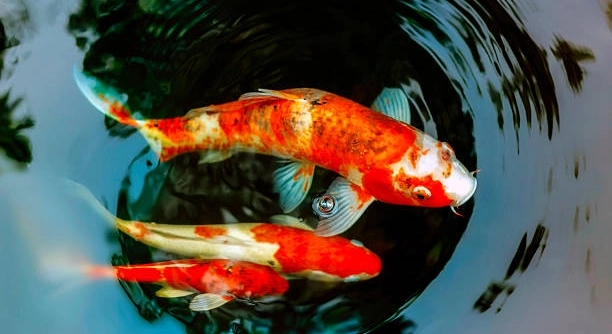
Koi fish are popular for their bright colors and graceful movements. Many people enjoy watching them in ponds or water gardens. Understanding their behavior helps owners ensure their koi are healthy and content.
Happy koi fish display several distinct behaviors, such as swimming actively near the surface, showing vibrant coloration, and feeding eagerly. They often interact calmly with their environment and exhibit smooth, fluid movements without signs of stress or lethargy.
Recognizing these behaviors can improve how you care for your koi and deepen your appreciation of these beautiful fish.
Active Swimming and Exploration
Koi fish that are happy tend to swim actively and explore their surroundings. You will often see them gliding smoothly through the water, sometimes near the surface or around plants and decorations. Their movements are fluid and relaxed, not rushed or erratic. Active swimming helps them stay healthy and shows they feel safe in their environment. It is common for happy koi to explore every corner of their pond or tank, checking out new areas or following gentle water currents. They are curious but calm, never frantic or hiding. This behavior also means they get enough exercise, which is important for their overall well-being. Watching your koi swim confidently can be a clear sign they are comfortable and thriving in their habitat.
When koi swim actively, it also indicates good water quality and proper tank maintenance. They need clean water and enough space to move freely.
Seeing your koi explore confidently allows you to connect more closely with their daily lives and better understand their needs.
Bright Colors and Clear Skin
Bright colors and clear skin are strong signs that koi are happy and healthy. When koi feel good, their natural colors become vivid and shine beautifully. Dull or faded colors can mean stress, illness, or poor water conditions. Clear skin without spots or lesions also shows that the fish’s immune system is working well. Regular feeding with the right diet supports vibrant coloration. Sunlight or proper lighting can help highlight their natural beauty. Healthy koi often display colors in patterns that seem to glow, making them a pleasure to watch. Besides the color, their scales should lie flat and look smooth. Any changes in color or skin texture can signal the need for attention and care. Keeping water clean and stable helps maintain these bright, clear features. Observing these visual signs daily gives a quick way to monitor your koi’s happiness and health.
Eager Feeding Behavior
Happy koi show eagerness during feeding time. They swim quickly to the food and compete gently without aggression. This shows their appetite is strong and their health is good.
When koi are content, they respond quickly to feeding and seem interested in every pellet or treat offered. This eagerness signals they feel secure in their environment and trust that food will be provided regularly. Koi with poor health or stress often refuse to eat or hesitate, so watching their feeding behavior helps track well-being. Providing a balanced diet with variety also encourages happy feeding habits. It’s rewarding to see your koi come right up to feed, almost like they recognize you. Feeding time can become a special moment that strengthens your connection with them. Regular observation of their feeding habits allows you to spot early signs of illness or discomfort.
Besides showing eagerness, happy koi feed calmly, without snapping or fighting. This peaceful feeding behavior reflects a stable and comfortable environment where koi feel safe.
Calm Interaction with Humans
Koi that feel secure often interact calmly when approached by humans. They may swim close or follow your hand along the pond edge. This calm behavior shows trust and curiosity.
When koi display calmness near people, it indicates they do not see humans as threats. This comfort usually comes from gentle and consistent care, such as regular feeding and quiet presence around their habitat. Over time, koi may recognize familiar faces and respond positively. This interaction can be soothing for both koi and owner, building a mutual understanding. Calm koi do not dart away or hide, which means their environment is free from sudden disturbances or predators. Their relaxed nature also suggests good water conditions and proper handling. Observing koi respond gently to your presence can make daily care more enjoyable and reassuring. It shows your efforts in creating a safe space are working well.
Smooth and Fluid Movements
Happy koi move with smooth and fluid motions. Their fins glide gently, and their bodies don’t show any stiffness or awkward jerks.
These natural movements reflect good health and comfort in their environment. When koi swim with ease, it shows they are not stressed or in pain.
Social Behavior and Group Swimming
Koi that are content often swim together in small groups. This social behavior helps reduce stress and encourages natural interactions. They follow each other calmly, sharing space without aggression or overcrowding. Group swimming also provides mental stimulation and comfort. Observing koi swim in harmony is a sign they feel safe and happy in their habitat.
Resting Calmly
Happy koi rest calmly near the bottom or among plants. Their bodies stay relaxed, and they do not appear lethargic or overly still. Rest is essential for their health and signals a balanced environment.
What are common signs that koi fish are happy?
Happy koi fish swim actively, display bright colors, and feed eagerly. They interact calmly with humans and other fish, showing no signs of stress. Their movements are smooth and fluid, and they rest peacefully. Clear skin and vibrant scales also indicate good health and happiness in koi.
How often should I feed my koi to keep them happy?
Feeding koi once or twice a day is usually enough to keep them happy and healthy. Offer only what they can eat within a few minutes to avoid overfeeding. A balanced diet with high-quality pellets and occasional treats like vegetables or fruits helps maintain their energy and color.
Can koi fish recognize their owners?
Yes, koi can learn to recognize the people who feed and care for them. Over time, they may swim to the surface or follow your movements when you approach the pond, showing trust and familiarity.
Why do happy koi swim near the surface?
Swimming near the surface can be a sign of contentment and curiosity. It often happens during feeding times or when koi feel safe and comfortable in their environment. However, it is important to ensure that water quality is good, as poor oxygen levels can also cause surface swimming.
What does it mean if my koi fish are not eating?
If koi suddenly stop eating, it could indicate stress, illness, or poor water conditions. Check the water quality, temperature, and look for any signs of disease. Sometimes, koi may reduce eating during colder months when their metabolism slows down naturally.
How can I improve the color of my koi fish?
Bright colors come from good nutrition, clean water, and proper lighting. Feeding a varied diet with high-quality food designed for koi enhances their natural pigments. Regular water changes and avoiding stress also help keep their colors vibrant.
Is it normal for koi fish to swim in groups?
Yes, koi are social fish and often swim together in groups. This behavior helps reduce stress and encourages natural interaction. Keeping koi in groups can make them feel more secure and happier in their environment.
How important is water quality for happy koi?
Water quality is crucial for koi health and happiness. Clean, well-filtered water with stable pH and temperature prevents stress and disease. Regular water testing and maintenance help create a safe habitat where koi can thrive.
What should I do if my koi fish seem stressed?
If koi show signs of stress like rapid breathing, erratic swimming, or hiding, first check the water conditions. Look for changes in temperature, pH, or pollutants. Reducing noise, providing hiding spots, and avoiding overcrowding can also help koi feel safer.
Can koi fish live happily indoors?
Koi can live indoors if provided with a large enough tank, proper filtration, and stable water conditions. However, they generally do better outdoors in ponds where they have more space to swim and natural sunlight to enhance their colors.
Koi fish show many signs when they are happy, and understanding these can help you take better care of them. Watching how they swim, feed, and interact with their environment gives clues about their well-being. Active swimming, bright colors, and eagerness to eat are all positive signals. When koi rest calmly and move smoothly, it means they are comfortable and healthy. Paying attention to these behaviors helps you know if your fish are thriving or if something needs to change in their care.
Taking care of koi fish requires more than just feeding them regularly. Clean, well-maintained water and a safe environment are very important for their happiness. Water quality affects their health directly, so regular testing and proper filtration should be part of your routine. Also, koi like to swim in groups and feel more secure with companions around. Providing enough space and hiding spots in the pond or tank makes them feel safe. When koi interact calmly with humans, it shows trust and a peaceful environment. These details might seem small but make a big difference in their daily lives.
Overall, happy koi fish make great pets because they bring beauty and calmness to any water garden or pond. Observing their behavior closely can improve your care and increase their lifespan. Being aware of signs like bright colors, smooth movement, and social swimming can guide you in creating the best conditions for them. Keeping koi healthy is rewarding and helps maintain their natural grace and charm. With proper care, koi fish will continue to grow, thrive, and provide enjoyment for many years.

Hello,
If you enjoy the content that we create, please consider saying a "Thank You!" by leaving a tip.
Every little bit helps us continue crafting quality advice that supports the health, happiness, and well-being of pets around the world, for pets of all shapes, sizes, and species.
We really appreciate the kindness and support that you show us!