
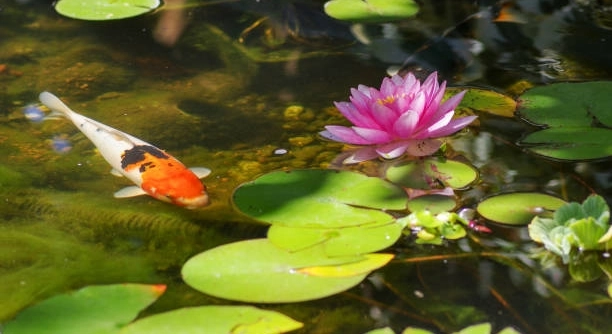
Koi fish are popular pond pets known for their graceful movements and bright colors. Many koi owners seek ways to keep their fish entertained and healthy. Engaging koi can contribute to a more vibrant and lively pond environment.
Koi fish do not require toys in the traditional sense, but environmental enrichment can benefit their well-being. Providing stimulating features like floating objects, plants, or feeding puzzles encourages natural behaviors and mental engagement, promoting overall health and reducing stress.
Exploring simple methods to engage koi fish can improve their quality of life. The following suggestions offer practical ways to create a stimulating pond environment for these elegant creatures.
Introducing Floating Objects for Koi
Floating objects can add an interesting element to your koi pond. Items like floating balls, rings, or even natural elements such as water lilies give koi something to interact with. These objects encourage swimming and exploration, which helps keep koi active. Movement and curiosity are natural behaviors for koi, and floating objects provide a simple way to stimulate these instincts without overwhelming the pond. It also adds visual interest above the water, breaking up the pond’s surface and making it more dynamic. When choosing floating toys, ensure they are safe and non-toxic. Regular cleaning of these items is important to prevent algae buildup or contamination. Using floating objects can also make feeding time more engaging, as koi may follow or nudge the objects. This keeps them moving and mentally alert, contributing to their overall health.
Floating objects should be selected carefully and cleaned regularly to maintain pond health and fish safety.
Using floating toys is an easy, low-maintenance way to encourage natural koi behaviors. They provide gentle stimulation and can be integrated seamlessly into any pond setup. By adding such elements, you help your koi stay engaged and active, which supports their physical and mental well-being. Floating plants also offer shade and hiding spots, further enriching the environment. Combined, these features enhance the pond’s balance, promoting a healthy space for koi to thrive.
Creating Hiding Spots with Plants
Hiding spots offer koi comfort and security within the pond.
Plants such as water lilies, lotus, or submerged grasses provide cover that koi use to feel safe. These areas reduce stress and allow koi to rest without feeling exposed. Well-placed plants also contribute to water quality by absorbing excess nutrients, which helps prevent algae growth. Koi naturally seek shelter, especially during bright sunlight or when they feel threatened. A mix of floating and submerged plants creates a balanced environment, encouraging natural exploration and movement. Beyond comfort, plants add aesthetic value, making the pond visually appealing. Maintaining a variety of plants can also support small pond wildlife, contributing to a balanced ecosystem. Overall, incorporating hiding spots is a simple and effective way to meet the physical and psychological needs of koi fish.
Plants not only provide shelter but also help maintain a healthier pond environment for koi.
Using plants strategically creates multiple benefits for koi ponds. They offer shade, shelter, and natural beauty, while supporting water quality. Providing diverse plant coverage encourages koi to explore different levels of the pond. This natural variation in habitat keeps koi stimulated and comfortable. Plants also reduce aggressive interactions by giving koi space to retreat. Regular pruning and care ensure plants do not overcrowd the pond, maintaining good water circulation and oxygen levels. Thoughtful planting contributes to a thriving, balanced environment where koi can live happily.
Using Feeding Toys
Feeding toys make mealtime more engaging for koi. They encourage active foraging, which mimics natural behavior and keeps koi mentally stimulated.
Feeding toys like floating feeders or puzzle feeders slow down the eating process, preventing overeating and reducing water pollution. Koi must work a bit to access food, which adds physical activity and mental challenge. This can lead to healthier fish with better digestion. Feeding toys also reduce food waste, as uneaten pellets are less likely to sink and decay. It’s a simple way to add enrichment without major changes to the pond.
Some feeding toys release food gradually or require koi to nudge or push parts to get treats. This interaction helps koi stay alert and engaged. Introducing feeding toys should be gradual so koi can learn to use them. Over time, this can improve their overall well-being by promoting natural feeding behaviors.
Adding Movement with Water Features
Water features like fountains or waterfalls increase movement and oxygenation in the pond. They create currents koi naturally enjoy swimming against.
Adding water features introduces variation in the pond environment. Koi enjoy swimming through moving water, which provides exercise and mental stimulation. The sound and sight of flowing water can also reduce stress for koi. Additionally, water movement helps maintain oxygen levels, which is essential for healthy fish. Positioning features to create gentle currents ensures koi are encouraged to swim without exhaustion. This simulates their natural habitat, improving overall pond health.
Properly designed water features also prevent stagnation and help distribute nutrients and heat evenly. This supports a cleaner, more balanced ecosystem. When combined with other enrichment methods, moving water adds dynamic elements that contribute to koi activity and comfort. It’s a practical way to enhance the pond environment while benefiting the fish.
Mirror Reflections
Mirrors placed near the pond can stimulate koi by reflecting light and movement. This creates visual interest that encourages fish to explore and interact with their environment.
Koi may respond to their reflections by swimming closer or showing mild curiosity. Mirrors should be used sparingly to avoid causing stress from constant interaction.
Interactive Feeding
Using interactive feeding techniques such as hand-feeding or scatter feeding promotes bonding and mental stimulation. It encourages koi to anticipate feeding and engage actively during mealtime.
Interactive feeding helps koi develop a routine and creates gentle social interaction. This practice adds variety and makes feeding more enjoyable for both the fish and the keeper.
Seasonal Toys
Seasonal toys, like floating ice blocks in summer or leaf mats in fall, introduce temporary changes to the pond environment. These can keep koi curious and entertained during different times of the year.
Rotating toys with seasons maintains variety and prevents boredom. Changing the pond environment periodically benefits koi mental health and encourages natural exploratory behaviors.
Do koi fish really need toys?
Koi do not need toys in the way pets like dogs or cats do. However, environmental enrichment helps keep them active and reduces stress. Toys or stimulating objects encourage natural behaviors such as exploring, foraging, and social interaction. Without enrichment, koi can become bored, which may affect their health and activity levels.
Adding simple elements like floating objects, plants, or feeding devices can significantly improve a koi’s environment. These items do not replace proper care but complement it by promoting mental and physical engagement.
What types of toys are safe for koi ponds?
Safe toys are non-toxic, durable, and easy to clean. Materials like plastic or rubber, designed for aquatic use, are suitable. Natural items such as water lilies or smooth stones also work well. Avoid anything sharp or prone to breaking apart, as koi may injure themselves or swallow harmful pieces.
Floating balls, feeding puzzles, or floating plants are popular safe options. Always rinse new toys before adding them to the pond to prevent contamination.
How do feeding toys benefit koi?
Feeding toys slow down the feeding process, encouraging koi to forage and work for their food. This mimics natural feeding behavior, which supports digestion and prevents overeating. It also keeps koi mentally stimulated by making mealtime more interactive.
Feeding toys reduce leftover food in the pond, helping maintain water quality. Introducing these toys gradually allows koi to adapt without stress.
Can plants be considered toys for koi?
Plants are not toys but serve as natural enrichment. They provide hiding spots, shade, and surfaces for exploration. Koi use plants to feel secure and reduce stress. Plants also help maintain water quality by absorbing nutrients and improving oxygen levels.
A balanced mix of floating and submerged plants creates a diverse habitat that keeps koi interested and comfortable.
Is it okay to use mirrors for koi stimulation?
Mirrors can create interesting reflections that catch koi attention. Some koi respond by swimming toward the reflection or showing curiosity. However, constant exposure to mirrors might cause stress or aggression, so they should be used sparingly and monitored.
Placing mirrors temporarily and observing koi reactions ensures this method stays beneficial rather than disruptive.
How important is water movement for koi engagement?
Water movement from fountains or waterfalls encourages koi to swim actively. Currents simulate natural environments, promoting exercise and mental stimulation. Moving water also improves oxygen levels and prevents stagnant areas, which benefits fish health.
Properly designed water features add dynamic elements that enhance pond life without exhausting koi.
Do koi enjoy interactive feeding with their owners?
Koi can recognize and respond to regular feeding routines, including hand-feeding. Interactive feeding creates mild social engagement and mental stimulation. It builds trust and makes feeding time more interesting for the fish.
However, not all koi may take to hand-feeding immediately. Patience and consistency help koi learn this behavior over time.
Are seasonal toys necessary for koi?
Seasonal toys are not necessary but can introduce variety throughout the year. Items like floating ice blocks in summer or leaf mats in fall provide temporary changes that spark koi curiosity. Changing pond elements with the seasons helps prevent boredom.
Rotating toys or enrichment features maintains a fresh environment, supporting ongoing koi engagement.
Can toys replace proper koi care?
Toys and enrichment complement but never replace basic koi care. Proper water quality, diet, and pond maintenance are essential for koi health. Toys only enhance well-being by adding mental and physical stimulation.
Focusing on core care first ensures koi remain healthy, while enrichment methods support their quality of life.
How often should toys or enrichment items be changed?
Changing enrichment items every few weeks or monthly prevents koi from becoming too familiar or bored. Regular rotation introduces novelty and encourages exploration. Some items, like plants, require seasonal adjustments to thrive and remain effective.
Monitoring koi behavior helps decide when to refresh the pond’s environment for continued engagement.
Koi fish benefit from an environment that keeps them active and engaged. While they do not require toys in the same way land pets might, adding elements that encourage natural behaviors can improve their well-being. Simple enrichment methods such as feeding toys, plants, water movement, and occasional interactive feeding help stimulate koi mentally and physically. These additions support healthy activity levels and reduce the chances of boredom or stress that may arise in a stagnant environment.
It is important to remember that enrichment tools should never replace the essential care koi need. Maintaining clean water, proper nutrition, and suitable pond conditions is critical for their health. Enrichment serves as a complement to these basics, offering koi opportunities to explore and interact with their surroundings in ways that feel natural. Providing a varied environment helps koi stay alert and healthy, which can contribute to a longer and more vibrant life.
When introducing toys or enrichment, it is best to observe how koi respond and adjust accordingly. Not all koi will react the same way, and some may need time to get used to new objects or activities. Rotating enrichment items regularly keeps the environment fresh and interesting. Overall, small efforts to engage koi contribute positively to their overall quality of life and make caring for them more rewarding.

Hello,
If you enjoy the content that we create, please consider saying a "Thank You!" by leaving a tip.
Every little bit helps us continue crafting quality advice that supports the health, happiness, and well-being of pets around the world, for pets of all shapes, sizes, and species.
We really appreciate the kindness and support that you show us!