
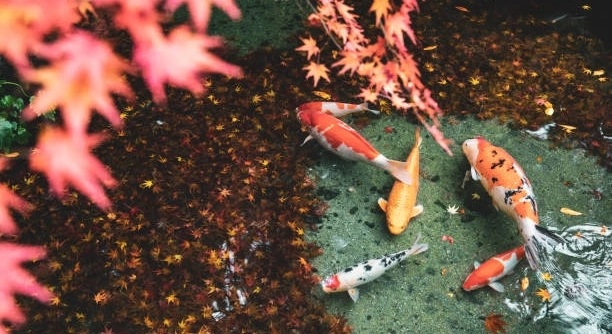
Introducing new koi fish to your pond is an exciting moment for any hobbyist. Taking careful steps at the start can help keep your existing fish healthy and your pond thriving. Quarantining new koi is a key part of this process.
Quarantining new koi fish prevents the spread of diseases, reduces stress on the fish, and allows careful observation for any health problems before introducing them to the main pond. This practice helps protect both the new and existing fish populations.
Learning the reasons behind quarantine can improve your koi care routine and increase the chances of a smooth, healthy integration into your pond environment.
Preventing Disease Spread
When you bring new koi fish into your pond, there is always a risk of introducing diseases that may not be visible right away. Even healthy-looking fish can carry parasites or bacteria that could harm your existing koi. Quarantining new fish allows you to isolate them for a few weeks in a separate tank or pond. During this time, you can monitor their health closely and treat any illnesses before they spread. This step helps keep your main pond clean and safe, reducing the chances of costly treatments or losses later. It also protects the balance of your pond’s ecosystem, which can be delicate. Taking these precautions shows care not only for the new fish but also for the community already living in your pond.
Quarantine acts as a first defense, stopping infections before they reach your established koi.
A proper quarantine period is usually about two to four weeks. During this time, water quality should be closely maintained, and the fish should be checked regularly for signs of illness. If any issues appear, treatments can be applied quickly without affecting the main pond. Quarantine tanks should have similar water conditions to the main pond to reduce stress. By carefully observing the new koi, you also give them time to adjust to their new environment safely. This process may seem extra, but it is essential for long-term pond health.
Reducing Stress for New Koi
Quarantine gives new koi fish a calm space to adjust after transportation and change.
Transporting fish can be very stressful, causing weakened immune systems. A quiet quarantine tank helps fish recover from the shock and reduces the risk of illness.
When koi fish are moved from one environment to another, they face many changes like temperature shifts, different water chemistry, and new surroundings. This stress weakens their ability to fight infections. Keeping them separate in quarantine lets them rest and adapt gradually. Stress also makes koi more vulnerable to diseases that might already exist in the main pond. A calm quarantine area reduces fighting or bullying from other fish, which can happen when new fish are introduced too quickly. This time apart helps the fish regain strength and build up immunity before joining the larger group. The result is healthier, more active koi ready to thrive in their new home.
Monitoring Behavior and Health
Quarantine lets you watch new koi closely for unusual behavior or signs of illness.
During quarantine, you can spot issues like lethargy, loss of appetite, or physical damage early. These signs often indicate infections or parasites that need treatment. Watching their behavior daily helps catch problems before they become serious, saving time and money. This careful observation is difficult in a busy pond with many fish. Quarantine tanks offer a controlled space where changes in swimming patterns, breathing, or appearance are easier to detect. Early detection allows for timely care, which improves recovery chances.
Besides illness signs, quarantine also shows how well fish adjust to new water conditions. If a koi struggles to swim or stays isolated, it may be stressed or sick. This time also helps you check compatibility with other fish species. Some koi may show aggression or stress signs that only appear in a small group. By identifying these behaviors early, you avoid introducing problem fish into the main pond.
This close monitoring helps protect both the new and existing koi from unexpected health problems.
Reducing Risk of Parasite Infestation
Parasites can easily hitch a ride on new koi and spread rapidly in your pond.
During quarantine, you can treat the fish with appropriate medications to eliminate parasites before mixing them with other fish. This step prevents common issues like flukes, anchor worms, and ich from taking hold. Parasites often hide on the skin, gills, or fins, making detection hard without close inspection. Quarantine gives you the chance to carefully check for these pests and provide targeted treatments. Regular water changes and tank cleaning during quarantine also help reduce parasite risks.
Without quarantine, parasites introduced by new koi can cause outbreaks that are difficult and expensive to control. Infected fish may become weak, develop wounds, or even die. Parasites also stress healthy fish, making them more vulnerable to other illnesses. Quarantine minimizes this risk by isolating potential threats early. Additionally, treating fish before adding them to your pond protects the whole aquatic community. Maintaining a parasite-free environment is critical for koi health, and quarantine is a simple but effective tool to achieve that.
Preventing Cross-Contamination
Quarantine keeps new koi separate from established fish to avoid cross-contamination of diseases or parasites.
Using different equipment for the quarantine tank also reduces the risk of spreading harmful organisms between tanks or ponds.
Adjusting to Water Conditions
New koi may come from different water environments with varying pH, temperature, or hardness.
Quarantine allows them to slowly adapt to your pond’s water conditions without sudden shocks. This gradual adjustment reduces stress and helps them stay healthy.
Protecting Your Investment
Koi fish can be expensive and require time to care for properly.
Quarantine protects this investment by ensuring new fish arrive healthy and disease-free before joining your pond.
FAQ
How long should I quarantine new koi fish?
The recommended quarantine period for new koi fish is between two and four weeks. This time allows enough opportunity to observe any signs of illness or parasites that may not be immediately visible. During this period, the fish can also adapt to your local water conditions, reducing stress. Some hobbyists extend quarantine to six weeks if issues arise or if the fish come from a less reliable source. The key is to maintain stable water quality and monitor the fish daily to catch problems early.
What kind of tank should I use for quarantine?
A quarantine tank should be separate from your main pond and have similar water parameters, including temperature, pH, and oxygen levels. The tank size depends on the number and size of koi, but it should be large enough to allow free swimming. Good filtration and aeration are essential to keep water clean. Avoid placing the quarantine tank too close to your pond to reduce contamination risks. Also, make sure to use dedicated nets and equipment for the quarantine tank only.
Can I skip quarantine if the koi look healthy?
Even if koi appear healthy, skipping quarantine is risky. Many diseases and parasites do not show clear symptoms right away. Introducing new fish directly into your pond can expose your entire stock to unknown pathogens. Quarantine is a preventive step that protects your investment and keeps your pond environment stable. It’s better to be cautious and spend time in quarantine than face costly treatments or fish losses later.
What should I feed koi during quarantine?
Feed new koi the same high-quality diet you plan to offer in your main pond. Keep feeding light to avoid water pollution but enough to support the fish’s recovery and immune system. Avoid overfeeding since uneaten food can quickly degrade water quality in the smaller quarantine tank. You might also add vitamins or supplements recommended for stressed fish, but always consult a professional or follow product instructions carefully.
How do I know if a koi is sick during quarantine?
Signs of illness include loss of appetite, sluggish swimming, unusual spots or lesions on the skin, clamped fins, and rapid breathing. Also watch for scratching against surfaces, which can indicate parasites. If you notice any of these symptoms, isolate the affected fish further and begin treatment as recommended. Early detection during quarantine improves chances for successful recovery without risking the main pond’s health.
Can I treat the fish while in quarantine?
Yes, quarantine is the best time to treat fish for parasites, bacterial infections, or other health problems. Treatments in a smaller, controlled environment are easier to manage and more effective. Follow medication instructions carefully, and maintain excellent water quality throughout treatment. After treatment, observe the fish for any side effects or remaining symptoms before introducing them to your pond.
Is quarantine stressful for koi?
While quarantine is an added step, it reduces long-term stress by protecting fish from disease exposure and sudden environmental changes. The quarantine tank should mimic the pond’s water conditions to minimize shock. Providing hiding spots or gentle filtration can also help koi feel secure. The temporary confinement is much less stressful than the risk of illness or bullying in a crowded pond.
How often should I clean the quarantine tank?
Regular cleaning is vital to prevent buildup of waste, uneaten food, and harmful bacteria. Partial water changes of 20-30% every few days are recommended, along with cleaning any filters or surfaces that accumulate debris. Avoid complete water changes unless necessary, to maintain stable water parameters. Keeping the quarantine tank clean supports fish health and reduces risks during this critical period.
Can I quarantine multiple koi together?
You can quarantine several koi together if the tank is large enough to prevent overcrowding. Overcrowding increases stress and can make it harder to detect individual fish’s health issues. Keep the group small, and watch for signs of aggression or stress. If problems arise, isolate affected fish immediately. The goal is to maintain calm, healthy conditions that allow all koi to recover safely before joining the main pond.
What happens after quarantine?
Once the quarantine period is over and the koi show no signs of illness, you can gradually introduce them to your main pond. Make sure water parameters match between tanks to avoid shock. Slowly acclimate the fish by mixing pond water into the quarantine tank over several hours. Introduce the koi during a calm time, ideally when other fish are not overly active or aggressive. Continue monitoring all fish closely for a few weeks to catch any delayed health issues early.
Quarantining new koi fish before adding them to your main pond is a simple yet very important step. It helps protect your existing fish and the entire pond environment from diseases and parasites. Many health problems can hide in new fish without any obvious signs. By keeping them separated for a few weeks, you give yourself time to notice and treat any issues before they spread. This process might take a bit of extra effort and patience, but it can save you from much bigger problems later on.
During quarantine, you also give your new koi a chance to adjust to their new surroundings. Moving from one place to another can be stressful for fish. The water conditions, temperature, and even the way the tank or pond looks are different. By isolating them in a separate tank with water similar to your main pond, you reduce the shock and help them settle in more comfortably. This reduces stress and helps the fish stay healthy and strong, which is important for their long-term survival and growth.
Taking care of koi fish is about more than just feeding and cleaning the pond. It is about creating a safe and healthy environment where all the fish can thrive. Quarantine is a key part of this care. It shows that you are protecting your investment and your pond’s balance. By watching new fish closely, treating any problems early, and helping them adapt, you give them the best chance to join your pond successfully. This careful approach will help your koi stay happy and healthy for years to come.

Hello,
If you enjoy the content that we create, please consider saying a "Thank You!" by leaving a tip.
Every little bit helps us continue crafting quality advice that supports the health, happiness, and well-being of pets around the world, for pets of all shapes, sizes, and species.
We really appreciate the kindness and support that you show us!