
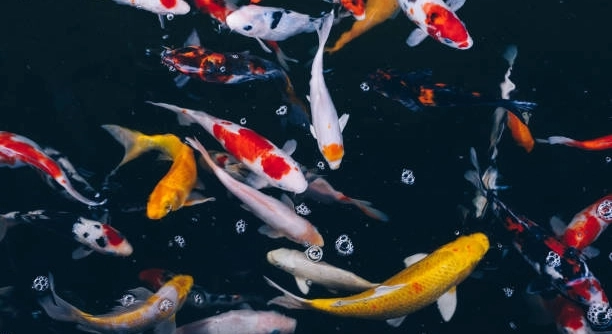
Koi ponds are a beautiful addition to many gardens, offering peaceful water features and vibrant fish. However, these environments can sometimes harbor parasites that affect the health of koi. Identifying common parasites is important for maintaining a healthy pond ecosystem.
Seven common parasites found in koi ponds include flukes, anchor worms, fish lice, and protozoans. These parasites can cause skin irritation, respiratory problems, and even death if left untreated. Proper identification and treatment are essential for koi health management.
Knowing about these parasites will help koi owners protect their fish and maintain a thriving pond. The following information explains each parasite and how to address their presence effectively.
Flukes: The Tiny Skin and Gill Invaders
Flukes are small flatworms that attach to the skin or gills of koi fish. These parasites can cause irritation, redness, and excessive mucus production. When koi are infected, they may scratch against pond surfaces or show signs of labored breathing. Skin flukes mainly affect the outer body, while gill flukes target the respiratory organs, reducing oxygen intake. Heavy infestations can weaken the fish, making them more vulnerable to other diseases. Flukes reproduce quickly, so early detection is important. Treatment usually involves medicated baths or adding antiparasitic drugs to the water. Maintaining good water quality and avoiding overcrowding can also help prevent fluke outbreaks. Regular pond checks can identify symptoms before serious harm occurs, ensuring koi remain healthy and active.
Flukes thrive in poor water conditions and stressed fish, making maintenance critical for prevention.
Understanding the life cycle of flukes clarifies why they spread rapidly in stagnant water. Flukes lay eggs that hatch into larvae, which swim freely and infect new hosts. This cycle repeats unless broken by treatment or improved pond conditions. Using antiparasitic treatments effectively targets both adult flukes and larvae. Additionally, maintaining balanced filtration and water flow reduces larval survival chances. Removing debris and excess organic matter helps limit parasite breeding grounds. Quarantining new fish before introducing them into the pond prevents fluke transmission. Early identification paired with prompt treatment can keep koi ponds free of these parasites, protecting fish health over time.
Anchor Worms: External Parasites with Visible Damage
Anchor worms are crustacean parasites that embed themselves in koi skin, causing sores and inflammation. They are visible as thin, thread-like worms protruding from the fish’s body.
These parasites attach firmly, causing irritation and secondary infections. Removal is often necessary to prevent further damage. Treatments include manual removal followed by chemical therapy to eliminate remaining parasites. Anchor worms can reduce koi vitality and appearance if untreated, so timely action is essential to maintain pond health.
Fish Lice: Large Parasites on Koi Skin
Fish lice are external parasites that attach to koi skin and feed on blood. They are visible to the naked eye and can cause irritation and wounds.
Fish lice, or Argulus, cling tightly to the fish’s body, using their mouthparts to suck blood. This feeding causes open sores and stress to the fish. Infected koi may scratch against surfaces or show lethargy. Fish lice can also transmit bacteria or viruses, increasing the risk of secondary infections. Treatment typically involves chemical dips or pond treatments designed to kill the lice. Preventing infestations includes maintaining water quality and regularly inspecting fish for early signs. Removing infected fish for treatment can also reduce parasite spread.
Early intervention is important because heavy infestations reduce koi health and may lead to death. Consistent pond maintenance helps control fish lice populations effectively.
Protozoans: Microscopic Parasites That Affect Koi Health
Protozoan parasites are tiny, single-celled organisms that infect koi skin, gills, or internal organs. They often cause symptoms like flashing, breathing difficulties, and lethargy.
Common protozoan parasites include Ichthyophthirius (Ich), Trichodina, and Costia. These parasites multiply quickly in poor water conditions, leading to outbreaks. Ich causes white spots on the skin and gills, while Trichodina and Costia result in excessive mucus and tissue damage. Treatment often involves medicated baths or adding specific chemicals to the pond water to eliminate parasites at all life stages. Good pond hygiene and quarantine procedures for new fish are vital to prevent introduction. Addressing protozoan infections early is key to stopping spread and reducing mortality. Regular monitoring of fish behavior and appearance helps detect these parasites before severe damage occurs.
Costia: A Common Protozoan Parasite
Costia is a small protozoan that affects koi skin and gills. It causes irritation, redness, and excessive mucus production.
This parasite thrives in poor water quality and stressed fish. Treatment involves medicated baths and improving pond conditions to reduce parasite survival and promote koi recovery.
Fish Tapeworms
Fish tapeworms are intestinal parasites that live inside koi, absorbing nutrients and causing weight loss, poor growth, and general weakness. These worms attach to the gut lining and can grow several inches long. Infection often comes from consuming infected intermediate hosts, like small aquatic organisms.
Treatment requires antiparasitic medication given orally or through injection. Good pond hygiene and controlling intermediate host populations can reduce infection risks. Regular monitoring of koi weight and behavior helps detect tapeworm presence early.
White Spot Disease (Ich)
Ichthyophthirius multifiliis, commonly called Ich, causes white spots on koi skin and gills. It leads to scratching, breathing difficulties, and lethargy.
Ich is highly contagious but treatable with medicated baths or chemicals that interrupt the parasite’s lifecycle.
What are the most common signs of parasite infections in koi ponds?
Common signs include scratching or flashing against surfaces, lethargy, loss of appetite, rapid or labored breathing, visible spots or sores, and increased mucus production. Koi may also show faded colors and weight loss when parasites affect their overall health.
How can I prevent parasites in my koi pond?
Maintaining good water quality is essential. Regular cleaning, proper filtration, avoiding overcrowding, and quarantining new fish before introduction help prevent parasite outbreaks. Consistent monitoring of fish behavior and health allows early detection and treatment, reducing risks.
Are all parasites harmful to koi?
Not all parasites cause serious harm, but many can weaken koi, making them vulnerable to secondary infections. Early detection and treatment are important to prevent parasites from affecting koi health and pond balance.
Can parasites be treated without removing fish from the pond?
Some parasites can be treated in the pond using medicated water treatments, but severe infestations often require removing affected fish for baths or targeted treatment. This minimizes stress on healthy fish and helps control parasite spread.
How often should I check my koi for parasites?
Regular weekly or biweekly inspections are recommended. Observing fish behavior and examining skin and gills for unusual spots or irritation helps catch problems early.
What role does water temperature play in parasite outbreaks?
Warmer water often encourages parasite reproduction, increasing infection risks. Maintaining stable temperatures and avoiding sudden changes help reduce stress on koi and parasite growth.
Are there natural ways to control parasites in koi ponds?
Improving pond conditions and maintaining balanced ecosystems help control parasites naturally. Some pond owners use certain plants or natural predators, but these methods should complement, not replace, proper treatment and hygiene.
When should I seek professional help for parasite problems?
If parasites persist after treatment or koi show severe symptoms like heavy breathing or open wounds, consulting a vet or aquatic specialist is important. Early professional intervention prevents loss and promotes recovery.
Can parasites return after treatment?
Yes, parasites can return if pond conditions remain poor or new infected fish are introduced. Ongoing care, quarantine, and monitoring are necessary to keep parasites under control.
Is it safe to use chemical treatments in koi ponds?
Many treatments are safe if used according to instructions and in proper doses. Overuse or misuse can harm fish or beneficial pond life. Always follow product guidelines carefully and monitor koi during treatment.
How does quarantine protect my koi pond?
Quarantining new fish for at least two weeks allows observation for parasites or illness before introducing them to the main pond. This step prevents spreading infections to healthy koi and helps maintain pond health.
Can parasites affect other pond inhabitants?
Some parasites can infect other fish species or aquatic animals. Proper pond management protects all inhabitants and supports a balanced ecosystem.
What is the best way to remove anchor worms?
Manual removal with tweezers followed by chemical treatment to kill remaining parasites is effective. Careful handling reduces fish injury and prevents reinfestation.
How do I know if my koi have flukes?
Signs include flashing, increased mucus, red or irritated skin, and breathing difficulties. A microscopic examination by a vet can confirm fluke presence.
Are fish lice visible without magnification?
Yes, fish lice are relatively large and can be seen on koi skin as small moving spots. They are often mistaken for dirt or debris but cause irritation and sores.
What should I do if I suspect protozoan infection?
Start treatment quickly with appropriate medications. Improve water quality and isolate affected fish if possible. Early action limits parasite spread and damage.
How can I improve pond conditions to reduce parasite risk?
Regular water testing, partial water changes, cleaning filters, and removing debris improve water quality. Balanced feeding and avoiding overcrowding reduce stress and susceptibility.
Do parasites affect koi growth?
Yes, parasites like tapeworms absorb nutrients from koi, causing weight loss and poor growth. Treating parasites supports koi health and development.
Is white spot disease contagious?
Yes, Ich spreads rapidly in ponds through free-swimming larvae. Immediate treatment and quarantine prevent outbreaks.
How long does it take to treat parasite infections?
Treatment length varies by parasite type and severity, often ranging from several days to a few weeks. Follow product instructions and monitor fish closely.
These answers cover common concerns about parasites in koi ponds, supporting healthy fish care through prevention, early detection, and proper treatment.
Final Thoughts
Parasites are a common challenge for koi pond owners. They can affect koi health in various ways, from minor irritation to serious illness. Understanding the types of parasites and their effects helps in managing them properly. Awareness of common signs, such as changes in behavior or appearance, is important for early detection. Early action can prevent parasites from causing lasting harm or spreading throughout the pond.
Maintaining good pond conditions plays a key role in keeping parasites under control. Clean water, proper filtration, and balanced fish populations create an environment less favorable for parasites to thrive. Regular monitoring of koi behavior and physical condition allows pond owners to catch problems before they escalate. Quarantining new fish before adding them to the pond reduces the chance of introducing parasites. Consistent care and attention help support the overall health of koi and their habitat.
Treatment options are available for most parasites, but their success depends on timely and appropriate use. Chemical treatments, medicated baths, and manual removal are common approaches. It is important to follow product instructions carefully and observe koi throughout treatment to ensure safety. Sometimes professional advice is necessary, especially in severe or persistent cases. Taking these steps helps protect koi from parasites and promotes a healthy, thriving pond environment.

Hello,
If you enjoy the content that we create, please consider saying a "Thank You!" by leaving a tip.
Every little bit helps us continue crafting quality advice that supports the health, happiness, and well-being of pets around the world, for pets of all shapes, sizes, and species.
We really appreciate the kindness and support that you show us!