
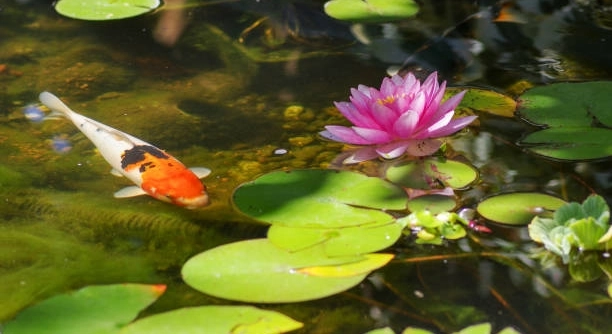
Koi fish are popular pets known for their beauty and calm nature. Feeding them properly is important for their health and well-being. Knowing when to avoid feeding koi can prevent common problems and keep them thriving.
Avoiding feeding koi fish at certain times helps maintain their digestion, water quality, and overall health. Feeding during cold temperatures, nighttime, illness, or low oxygen levels can cause stress and harm to the fish. Proper timing ensures their safety and vitality.
Learning when not to feed koi is essential for keeping them healthy and happy. This guide will help you understand the best practices for caring for your koi fish.
Feeding Koi During Cold Weather
Koi fish are cold-blooded animals, so their metabolism slows down as the water temperature drops. When water temperatures fall below 50°F (10°C), koi’s digestive system becomes less efficient. Feeding them during this time can cause uneaten food to decay, polluting the water and increasing the risk of illness. It’s better to reduce feeding gradually as the temperature falls and stop completely when the water is too cold. Instead, focus on keeping the pond clean and monitoring water quality to support your koi’s health during winter.
During cold months, koi should be fed sparingly or not at all to avoid digestive problems and maintain water quality.
If you live in a region with distinct seasons, adjusting feeding habits according to temperature is important. Koi slow their activity and need less food in winter. Using wheat germ-based food helps because it is easier to digest. Always check water temperature before feeding, and remove any leftover food to keep the pond clean. This simple care keeps koi healthy through colder months and prepares them for spring growth.
Avoid Feeding at Night
Koi are less active at night and their metabolism slows down. Feeding them in the dark is not ideal because they cannot digest food properly. Uneaten food left in the water can rot, reducing oxygen levels and harming your fish. It’s best to feed koi during daylight hours when they can actively search and eat their food.
Feeding koi during the day helps ensure the food is consumed quickly, supporting good water quality.
Koi fish depend on good oxygen levels and clean water to stay healthy. At night, oxygen levels in the pond drop naturally, and leftover food can worsen this. Feeding them just before dusk or after dark increases the chance that food will remain uneaten. This can lead to poor water conditions and stress for your fish. Feeding during daylight gives koi a better chance to eat all their food, preventing waste and protecting their environment. Following a daytime feeding routine keeps koi safe and the pond balanced.
Avoid Feeding When Koi Are Sick
Feeding koi while they are sick can make recovery harder. Illness often reduces their ability to digest food properly. Feeding during this time may cause leftover food to pollute the water and stress the fish further.
When koi show signs of illness, such as lethargy, loss of appetite, or unusual swimming patterns, it is best to stop feeding them temporarily. Their bodies need energy to fight off infections, but digestion requires effort that sick fish might not manage well. Removing food from the pond helps keep water quality high, preventing further stress or secondary infections.
Once koi start showing signs of improvement, introduce food slowly and in small amounts. Choose easily digestible foods like wheat germ or specialized medicated feeds recommended by experts. This careful approach supports healing without overwhelming their systems. Always monitor water conditions closely during this period.
Avoid Feeding During Low Oxygen Levels
Low oxygen levels in the pond can put koi under serious stress. Feeding during these times adds extra waste, which further reduces oxygen and harms fish health. It is important to feed only when oxygen levels are stable.
Pond oxygen levels fluctuate with temperature, weather, and water movement. On hot, calm days or when algae blooms occur, oxygen can drop quickly. Feeding koi during these conditions increases uneaten food and waste, lowering oxygen even more. This makes it harder for koi to breathe and can lead to health problems.
To prevent this, monitor oxygen levels regularly, especially in summer. Increase aeration using pumps or fountains if needed. Feed koi smaller amounts or skip feeding when oxygen is low. Keeping water well-oxygenated and minimizing excess food helps koi stay healthy and active. This simple care can avoid serious issues caused by oxygen depletion.
Avoid Feeding Immediately After Adding New Fish
New fish need time to adjust to the pond environment. Feeding them right away can cause stress and uneaten food buildup, which harms water quality.
Give new koi at least 24 hours before feeding. This helps them settle and reduces the risk of water contamination.
Avoid Feeding During Pond Maintenance
Feeding koi during pond cleaning or water changes is not recommended. The disturbance can stress fish, making them less likely to eat.
Feeding should be paused until the pond is stable again. After maintenance, wait a few hours before offering food to ensure the fish are calm and the water conditions are balanced.
Avoid Overfeeding
Overfeeding koi leads to poor water quality and health issues. Uneaten food decays, creating harmful toxins and encouraging algae growth. Controlling the amount of food given is essential.
Avoid Feeding With Poor Water Quality
Feeding koi when the pond’s water quality is low adds stress and worsens conditions. Always test water before feeding to keep fish healthy.
How often should I feed my koi fish?
Feeding frequency depends on the season and water temperature. During warm months, feeding koi once or twice a day is enough. In cooler weather, reduce feeding to every other day or stop completely if the water is below 50°F (10°C). Always observe how much food they consume and avoid overfeeding. Providing small amounts that koi can finish within five minutes is a good rule to follow.
Can koi eat human food or leftovers?
It’s best to avoid feeding koi human food or leftovers. Many foods can upset their digestion or pollute the pond water. Koi need specially formulated fish food that meets their nutritional needs. Feeding inappropriate foods can lead to health problems and poor water quality.
What should I do if my koi won’t eat?
Koi sometimes stop eating due to stress, illness, or changes in water conditions. Check the water quality, temperature, and look for signs of illness. If water quality is poor, improve filtration and perform water changes. Sick koi may need treatment or a special diet. Sometimes, koi reduce feeding during cold weather, which is normal.
Is it okay to feed koi at night?
Feeding koi at night is not recommended. Koi are less active and their digestion slows after dark. Uneaten food can rot and reduce oxygen levels in the pond, which is harmful. Feeding during daylight helps koi consume food quickly and keeps the pond clean.
How can I tell if I am overfeeding my koi?
Signs of overfeeding include leftover food sinking to the bottom, cloudy water, and algae blooms. Overfeeding can lead to obesity and poor water quality. If you notice these signs, reduce the amount of food and feed smaller portions more often.
What type of food is best for koi?
Koi thrive on specially made pellets that contain the right balance of protein, fats, and vitamins. During colder months, wheat germ-based food is easier for them to digest. Avoid cheap foods with fillers, as they do not provide proper nutrition and can pollute the pond.
Can I feed koi when the pond has algae?
Algae itself doesn’t mean you should stop feeding, but excessive algae often signals poor water quality. Feed koi carefully and in smaller amounts to avoid worsening the algae problem. Improving filtration and aeration helps keep algae under control and the pond healthy.
What should I do if I accidentally feed koi too much?
If you feed koi too much, remove any uneaten food quickly to prevent it from decaying. Increase water aeration and consider doing a partial water change to improve water quality. Reduce feeding amounts in the following days and monitor the fish closely.
Are there any signs that koi are hungry?
Koi may swim actively toward the surface or follow your movements when they expect food. They may also open their mouths near the water surface. However, these behaviors can sometimes be mistaken for stress, so observe carefully before feeding.
How do feeding habits change in winter?
In winter, koi metabolism slows and they need less food or none at all. Feeding during cold months can cause undigested food to harm the pond environment. Offer small amounts only if the water temperature stays above 50°F (10°C). When it drops below that, stop feeding until temperatures rise.
Can feeding koi improve their colors?
Yes, feeding koi high-quality food with natural color enhancers like spirulina or shrimp meal can help brighten their colors. However, good water quality and overall health are also important factors in maintaining vibrant colors.
What is the best way to introduce new food to koi?
Introduce new food gradually by mixing it with their current diet over several days. This helps koi adjust and prevents digestive upset. Always observe how they respond to new food and adjust as needed.
Is it necessary to fast koi once in a while?
Yes, fasting koi once a week or during colder months helps improve digestion and reduces waste buildup in the pond. It mimics their natural feeding patterns and supports overall health.
How much should I feed koi at one time?
Feed koi only what they can consume within five minutes. This prevents leftover food from polluting the water. Adjust portions based on the number and size of your koi.
Can koi be fed floating or sinking pellets?
Both types can be used. Floating pellets allow you to observe koi feeding at the surface, which helps detect health problems. Sinking pellets mimic natural feeding behavior but may be harder to monitor. Choose based on your preference and koi behavior.
What happens if koi eat spoiled or old food?
Eating spoiled food can cause digestive issues and infections. Always store food in a cool, dry place and discard expired or moldy pellets to keep koi safe.
Feeding koi fish at the right times is very important for their health and the cleanliness of the pond. Knowing when not to feed your koi helps prevent many problems, such as poor water quality, stress, and illness. Avoid feeding during cold weather, at night, or when the fish are sick. These times make it harder for koi to digest food and can lead to leftover food in the water, which harms the environment they live in. Being careful about when you feed shows good care and respect for the fish and their home.
It is also important to watch the pond’s condition before feeding. Low oxygen levels and poor water quality are signs that koi should not be fed. Feeding during these times can make things worse and put extra stress on the fish. Keeping water clean and well-oxygenated is just as important as feeding the right amount. Regular checks of water temperature, oxygen, and cleanliness help ensure koi stay healthy. This simple care routine protects the fish from many health issues and keeps the pond a safe place for them to live.
Finally, overfeeding is one of the most common mistakes koi owners make. Giving too much food can cause leftover bits to sink and decay, making the water dirty and causing illness. It’s better to feed small portions that koi can finish quickly and adjust the amount based on the season and their activity level. Following these feeding guidelines helps koi grow strong and show their beautiful colors. Taking the time to learn the best feeding habits will make caring for your koi easier and more rewarding in the long run.

Hello,
If you enjoy the content that we create, please consider saying a "Thank You!" by leaving a tip.
Every little bit helps us continue crafting quality advice that supports the health, happiness, and well-being of pets around the world, for pets of all shapes, sizes, and species.
We really appreciate the kindness and support that you show us!