
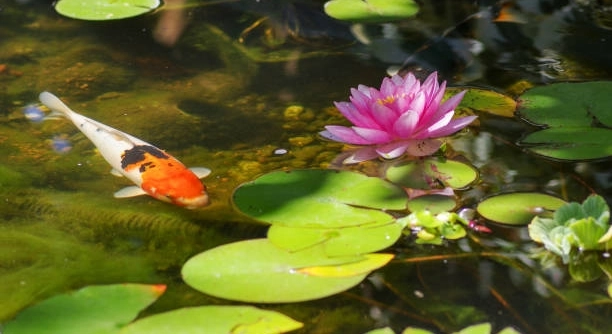
Koi fish are popular pond pets known for their bright colors and graceful swimming. Sometimes, these fish stop eating in spring, which can worry their owners. Understanding this behavior is important for keeping koi healthy and happy.
Koi fish often stop eating in spring due to changes in water temperature, metabolism, stress, illness, water quality, or diet shifts. These factors affect their appetite as they adjust from winter to warmer conditions.
Learning about these causes helps you care for your koi better and avoid common health problems during seasonal changes.
Water Temperature Changes in Spring
As the weather warms up in spring, the temperature of your koi pond water rises slowly. Koi fish are cold-blooded, so their metabolism depends on water temperature. When the water is still cool, their metabolism remains low, and they eat less. Suddenly warmer water can confuse their feeding habits, causing koi to stop eating temporarily. It takes time for their bodies to adjust to the new temperature, so appetite can be slow to return. Pond owners often notice this behavior during early spring when temperatures fluctuate daily. Monitoring the water temperature regularly helps you understand your koi’s feeding pattern better. Keeping the water clean and stable supports their health during this adjustment period. Patience is important because koi usually start eating normally again once the temperature stabilizes around 60°F (15°C) or higher.
Cold water slows koi metabolism and appetite. Gradual warming is key to restoring their feeding habits without stress.
If the water temperature swings too much or rises too fast, koi may become stressed. Stress lowers their immune response, making them more vulnerable to infections. You can help by avoiding sudden changes like adding too much cold or hot water at once. Using a pond heater or aerator can keep water conditions steady. Ensuring the pond has shaded and sunny areas also lets koi choose their preferred temperature. Feeding smaller amounts more frequently during early spring encourages eating without overwhelming their slower metabolism. This gentle approach helps koi adjust naturally and stay healthy as the season changes.
Seasonal Stress and Koi Behavior
Stress is a common reason koi stop eating in spring. This season brings changes in light, temperature, and water quality that can unsettle your fish. Even small changes can affect koi because they are sensitive to their environment. Stress lowers their appetite and can lead to illness if not managed.
Stress affects koi appetite by disrupting their normal behavior and immune system.
Stress in spring may come from pond cleaning, adding new fish, or changes in water chemistry. It’s important to keep the pond stable and avoid sudden disturbances during this time. Providing hiding spots and gentle filtration reduces stress levels. Maintaining a quiet environment and limiting handling helps koi feel safe. Feeding a balanced diet and ensuring clean, oxygen-rich water supports recovery from stress. Watch for signs like hiding, lethargy, or unusual swimming patterns, which show your koi may need extra care. Taking these steps helps koi regain their appetite and stay strong throughout the seasonal shift.
Illness and Parasites
Illness and parasites are common reasons koi stop eating in spring. As the water warms, some pathogens become more active, affecting koi health. Signs include clamped fins, lethargy, or visible spots.
Koi weakened by illness or parasites lose their appetite quickly. Parasites like flukes or ich irritate the skin and gills, making it hard for fish to feed. Early detection is crucial. Quarantine new fish before adding them to your pond to prevent spreading infections. Treat the pond promptly with appropriate medications when signs appear. Maintaining clean water reduces the chance of disease. Regular observation helps catch problems early, improving the chance of recovery and restoring appetite faster.
A sick koi’s immune system struggles in spring as pathogens become more active. Water quality also impacts recovery. Good filtration and proper oxygen levels support healing. Sometimes, stress from illness causes koi to hide or stop swimming, which further reduces feeding. In severe cases, veterinary advice may be needed to diagnose and treat properly. Keeping the pond stable and stress low helps prevent illness flare-ups.
Water Quality and Oxygen Levels
Poor water quality or low oxygen can cause koi to lose appetite. Spring brings changes like algae blooms or decaying plant matter that affect water chemistry. Monitoring is essential to keep koi healthy.
High ammonia or nitrite levels hurt koi’s gills, making it hard to breathe and feed. Algae overgrowth consumes oxygen at night, creating dangerous dips. Aeration through fountains, waterfalls, or air pumps improves oxygen levels. Removing debris and dead plants lowers waste buildup and harmful bacteria. Regular testing of pH, ammonia, nitrites, and nitrates helps detect problems early. Clean water encourages koi to eat and stay active.
Proper water circulation is also important for oxygen distribution. Stagnant areas in the pond can trap waste and reduce oxygen, stressing koi. Seasonal maintenance like partial water changes refreshes water quality. Feeding smaller amounts limits leftover food, which can degrade water conditions. Balancing water chemistry and oxygen supports koi’s health and appetite through spring’s changes.
Diet Changes and Feeding Habits
Koi may stop eating in spring due to changes in diet. After winter, their digestive system slows down and may need time to adjust to richer foods.
Offering heavy or high-protein foods too soon can upset their stomach. Gradually reintroduce regular food to avoid digestive issues and encourage steady eating.
Natural Metabolism Slowdown in Cold Weather
In colder water, koi metabolism naturally slows. This means they need less food and may stop eating until water warms up more. Forcing feeding in cold temperatures can cause health problems like constipation or swim bladder issues. Allow koi time to adjust and only feed when water temperatures reach around 55°F (13°C) or above.
Pond Environment Changes
Spring changes in pond environment can affect koi appetite. Shifts in light, plants, and water flow influence their behavior.
Why do koi fish stop eating in early spring?
Koi often stop eating in early spring because their metabolism is still slow from the colder winter months. Water temperatures are usually not warm enough to fully activate their digestive system. They may also be adjusting to changes in water chemistry or recovering from winter stress. This natural slowdown helps them conserve energy until conditions improve. Feeding too early or too much can cause digestive problems, so it’s best to wait until water temperatures consistently reach 55°F (13°C) or higher before offering regular food.
How long can koi go without eating in spring?
Koi can safely go without eating for several weeks during early spring as long as the water temperature remains low and stable. Their slow metabolism means they don’t need much energy during this period. However, if koi stop eating when the water is already warm or for more than a month, it might signal a health issue or environmental problem. In these cases, closely check water quality, look for signs of illness, and consider consulting a fish health expert.
Can poor water quality cause koi to stop eating?
Yes, poor water quality is a common reason koi lose their appetite. High ammonia, nitrites, or low oxygen levels irritate koi’s gills and make them uncomfortable. This stress often leads to decreased feeding. In spring, algae blooms and decaying debris can worsen water quality quickly. Regular testing and maintenance, including partial water changes and removing dead plants, help keep the pond clean and oxygen-rich. Healthy water supports koi appetite and overall well-being.
What role does stress play in koi refusing food?
Stress from environmental changes, overcrowding, sudden temperature shifts, or handling can make koi stop eating. Stress weakens their immune system and disrupts normal behavior. In spring, things like pond cleaning or adding new fish can increase stress. Providing stable conditions, avoiding unnecessary disturbances, and creating hiding spots reduce stress. Keeping stress low helps koi regain their appetite faster.
Are parasites responsible for koi not eating?
Parasites can cause koi to lose appetite if left untreated. Common parasites like flukes or ich irritate skin and gills, causing discomfort and weakness. Koi may stop eating as they struggle with infection. Regular health checks and quarantining new fish help prevent parasite outbreaks. If parasites are detected, treating the pond with proper medication promptly is essential to restore koi health and appetite.
How does changing diet affect koi feeding in spring?
Switching from winter low-protein foods to richer spring diets too quickly can upset koi’s digestion, causing them to refuse food. Their digestive system needs time to adapt to heavier foods. Introducing new or high-protein feeds gradually over several weeks supports better digestion and encourages feeding. Avoid overfeeding, which can pollute water and harm koi appetite.
Can temperature fluctuations cause koi to stop eating?
Yes, sudden temperature changes in spring can confuse koi and reduce their appetite. Rapid warming or cooling stresses their metabolism and immune system. Keeping water temperature stable with pond heaters or aerators helps koi adjust smoothly. Feeding should be reduced or paused during rapid temperature swings to prevent digestive issues.
What signs indicate koi illness related to loss of appetite?
Signs include lethargy, clamped fins, unusual swimming, spots, or sores on the body. If koi stop eating and show any of these symptoms, illness is likely. Early diagnosis and treatment are key to recovery. Maintain good water quality and minimize stress to help prevent diseases.
How can I encourage my koi to eat again in spring?
Feed small amounts of easily digestible food once water temperatures reach 55°F (13°C). Use high-quality pellets designed for koi. Offer food multiple times a day in small portions. Ensure the pond environment is stable, clean, and stress-free. Aerate the pond and maintain good water quality. Patience is important as koi may take time to resume normal feeding.
Is it normal for koi to eat less during seasonal changes?
Yes, koi naturally eat less when water temperatures are low or when they are adjusting to environmental changes. This behavior conserves energy and protects their health. Feeding amounts and frequency should match their activity level. Monitoring their behavior and pond conditions helps you adjust feeding to their needs.
Koi fish stopping their eating in spring is a common experience for many pond owners. This change in behavior is mostly natural and linked to how koi adjust to the colder and shifting conditions of early spring. When water temperatures are still low, their metabolism slows down, meaning they do not need as much food. Forcing koi to eat when their bodies are not ready can cause digestive problems and stress. It is important to be patient and watch the water temperature as the season changes, feeding only when it is warm enough. This helps koi stay healthy and avoid illness.
Besides temperature, other factors can influence why koi stop eating in spring. Stress from environmental changes, poor water quality, or the presence of parasites can all affect their appetite. Keeping the pond clean and stable is very important. Regular testing of water quality, such as checking ammonia and oxygen levels, helps prevent problems before they become serious. If koi show signs of illness, quick action is needed. Good care during spring helps koi recover faster and encourages them to eat again.
Feeding koi properly in spring requires a gentle approach. Start with small amounts of easily digestible food and gradually increase as the water warms up. Avoid high-protein foods at first since koi need time to adjust after winter. Watching their behavior closely gives clues about their health and when to feed more. By understanding these key points, pond owners can help their koi through the seasonal changes smoothly. This not only supports their fish’s health but also keeps the pond environment balanced and enjoyable year-round.

Hello,
If you enjoy the content that we create, please consider saying a "Thank You!" by leaving a tip.
Every little bit helps us continue crafting quality advice that supports the health, happiness, and well-being of pets around the world, for pets of all shapes, sizes, and species.
We really appreciate the kindness and support that you show us!