
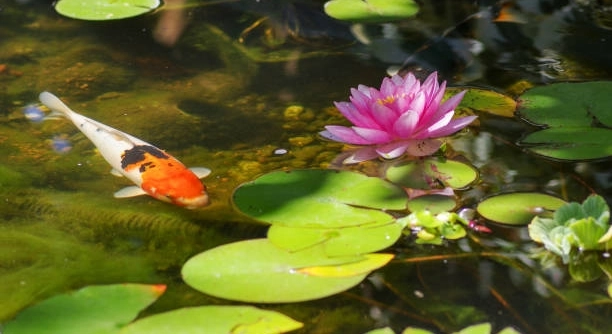
Koi fish are a popular addition to many ponds, admired for their bright colors and graceful movements. Sometimes, koi exhibit a behavior called flashing, where they rub or scrape against surfaces. This article explores why koi fish flash and how to care for them when it happens.
Flashing in koi fish is usually a response to irritation or discomfort caused by parasites, poor water quality, or physical injury. It can indicate underlying health problems that require prompt attention and appropriate treatment to prevent further harm.
Understanding the reasons behind koi flashing helps ensure their health and well-being. Proper care and timely action can keep koi fish vibrant and comfortable in their environment.
Parasites Causing Flashing
Parasites are a common cause of flashing in koi fish. These tiny organisms attach to the koi’s skin or gills, causing irritation and discomfort. When koi flash, they rub their bodies against rough surfaces to try to remove the parasites. Common parasites include flukes, anchor worms, and fish lice. Parasite infestations often happen in ponds with poor water quality or when new fish are introduced without quarantine. If left untreated, parasites can weaken the koi’s immune system and lead to secondary infections. Watching for other signs like lethargy, loss of appetite, or visible spots can help catch parasite problems early. Regular pond maintenance and monitoring water conditions are essential to prevent infestations. Treatment usually involves medicated baths or adding specific treatments to the water. Prompt action improves recovery and helps koi return to normal behavior quickly.
Parasites cause discomfort that leads to koi flashing. Early detection and treatment prevent serious health issues.
Preventing parasites starts with good pond hygiene. Quarantining new fish reduces risk. Treatments such as formalin or praziquantel baths target specific parasites effectively. Always follow product instructions carefully to avoid harming your koi or beneficial pond organisms. Keeping water clean, well-filtered, and balanced in pH supports fish health and reduces parasite outbreaks. In some cases, consulting a vet experienced in fish health can provide targeted solutions. Regular observation and quick response protect koi from prolonged distress and promote a healthy pond environment.
Poor Water Quality
Poor water quality stresses koi fish and often causes flashing behavior. High ammonia, nitrite, or nitrate levels irritate the skin and gills, making koi rub themselves on pond surfaces to relieve discomfort. Low oxygen levels or incorrect pH can also contribute to stress. Many water problems come from overfeeding, inadequate filtration, or insufficient water changes. Testing water regularly helps identify issues early before koi become visibly affected. If water parameters are outside safe ranges, koi will show signs such as flashing, gasping at the surface, or reduced activity. Correcting water quality is critical to stop flashing and protect koi health.
Maintaining balanced water conditions prevents flashing caused by environmental stressors. Proper filtration and regular water changes are key.
To improve water quality, start by testing the pond water for ammonia, nitrites, nitrates, pH, and dissolved oxygen. Use a reliable test kit and check weekly during warmer months when biological activity is higher. Reduce feeding amounts to avoid excess waste buildup, and clean filters regularly. Partial water changes of 10-20% weekly help keep toxins low and oxygen levels stable. Aeration devices or fountains can increase oxygen and promote circulation. Avoid chemicals that can disrupt beneficial bacteria. If water issues persist, consider pond design improvements or professional advice. Consistently good water quality supports koi’s immune system and reduces flashing caused by irritation.
Physical Injuries
Physical injuries can cause koi fish to flash. Cuts, scrapes, or abrasions from sharp objects in the pond make them uncomfortable, leading to rubbing behavior.
Injuries often happen when koi swim near rough edges, rocks, or decorations. Aggressive interactions between fish can also cause wounds. Flashing helps koi try to soothe the irritated skin. Monitoring the pond for hazards and removing sharp objects can reduce injuries. If injuries are noticed, treating the wound with antiseptic solutions designed for fish helps prevent infections.
Severe injuries may require isolation in a hospital tank for closer care. Healing is faster in clean water with stable temperature and good oxygen levels. Keeping the pond environment safe is essential to avoid repeated injuries and flashing.
Stress and Environmental Changes
Stress from environmental changes can trigger flashing in koi fish. Sudden temperature shifts, new fish introductions, or loud noises disrupt their comfort and cause irritation.
Stress weakens koi’s immune system, making them more vulnerable to flashing behaviors. Adapting gradually to new conditions helps minimize this. Avoid overcrowding and keep water stable to reduce stress. Using plants and hiding spots offers koi shelter and security.
Minimizing stressors by maintaining stable, clean, and quiet conditions supports koi health. Consistency in care routines, feeding, and pond maintenance also reduces flashing caused by environmental factors. Observing koi for unusual behavior allows early intervention before stress impacts their well-being seriously.
Algae and Irritants
Algae buildup on pond surfaces can irritate koi skin, causing flashing. Some algae types produce substances that bother fish, prompting them to rub against objects to find relief.
Debris and chemicals in the water may also act as irritants. Keeping the pond clean and balanced reduces these risks effectively.
Nutritional Deficiencies
Koi lacking essential vitamins and minerals can develop skin issues that lead to flashing. A balanced diet supports healthy skin and immune function.
Feeding high-quality koi food with added supplements helps prevent deficiencies and related health problems.
Bacterial Infections
Bacterial infections often cause skin irritation and flashing in koi fish. Infected areas may appear red or inflamed, and fish try to ease discomfort by rubbing against surfaces.
Proper water quality and early treatment with antibacterial medications are important to control infections and reduce flashing.
Parasite Prevention Tips
Regular pond cleaning, water testing, and quarantining new fish help prevent parasite infestations that cause flashing in koi fish.
FAQ
Why do koi fish flash suddenly?
Koi fish flash suddenly because they feel irritated or uncomfortable. This can happen due to parasites, poor water quality, physical injuries, or environmental stress. Flashing is their way of trying to relieve the discomfort by rubbing against rough surfaces.
How can I tell if my koi has parasites?
Look for flashing along with other signs such as clamped fins, lethargy, loss of appetite, or visible spots and worms on the skin. Parasites often cause the koi to scratch themselves frequently. Early detection is important to start treatment quickly.
What is the best treatment for koi flashing caused by parasites?
Treatments depend on the parasite type but usually involve medicated baths or adding antiparasitic medications to the pond. Common treatments include formalin, praziquantel, or salt baths. Always follow dosage instructions and isolate severely affected fish if possible.
Can poor water quality cause koi flashing?
Yes, poor water quality with high ammonia, nitrites, or nitrates irritates koi skin and gills, leading to flashing. Low oxygen or incorrect pH can also stress koi and cause this behavior. Regular water testing and maintenance help prevent water-related problems.
How often should I test my pond water?
Testing once a week during warmer months is recommended since biological activity is higher then. Check ammonia, nitrite, nitrate, pH, and oxygen levels. More frequent tests may be needed if you notice flashing or other signs of distress.
What should I do if my koi fish gets injured?
Remove sharp objects from the pond to prevent injuries. Treat wounds with antiseptic solutions made for fish and keep water clean. If the injury is serious, isolate the fish in a hospital tank for better care and healing.
Does stress cause koi fish to flash?
Stress from changes in temperature, new fish, loud noises, or overcrowding can cause koi to flash. Stress lowers their immunity, making them more prone to irritation and disease. Keeping the pond environment stable reduces stress-related flashing.
Can diet affect koi flashing?
Yes, a poor diet lacking essential vitamins and minerals can weaken the skin and immune system, causing irritation and flashing. Feeding high-quality koi food with supplements supports healthy skin and reduces flashing caused by nutritional problems.
How can I prevent koi flashing?
Maintaining good water quality, providing a balanced diet, quarantining new fish, removing pond hazards, and monitoring for parasites help prevent flashing. Regular pond cleaning and observation allow early problem detection and treatment.
Is flashing always a sign of illness?
Not always. Sometimes koi flash briefly due to mild irritation or environmental changes. However, frequent or intense flashing usually indicates a health issue that requires attention to avoid worsening conditions.
When should I seek professional help for flashing koi?
If flashing continues despite treatment or if koi show additional symptoms like lethargy, weight loss, or visible wounds, consult a veterinarian or aquatic specialist. Professional advice can help diagnose complex issues and recommend appropriate care.
Can flashing koi recover fully?
With prompt treatment and improved care, koi can recover fully from causes of flashing such as parasites, injuries, or water problems. Consistent pond maintenance and monitoring are key to long-term health and comfort.
Final Thoughts
Flashing in koi fish is a clear sign that something in their environment or health needs attention. It is important to understand that flashing is not a random behavior but a response to discomfort or irritation. Whether caused by parasites, water quality issues, injuries, or stress, this behavior signals that the koi is trying to find relief. Ignoring flashing can lead to more serious health problems, so prompt action is necessary to ensure the well-being of the fish.
Maintaining a clean, stable pond environment is one of the most effective ways to prevent flashing. Regular water testing, proper filtration, and removing harmful objects from the pond help create conditions where koi can thrive. Additionally, providing a balanced diet rich in essential nutrients supports the fish’s immune system and skin health. Quarantining new fish before introducing them to the pond reduces the risk of spreading diseases and parasites that can cause flashing. Consistency in care and observation is key to catching problems early and responding effectively.
If flashing does occur, it is important to carefully monitor the koi and the pond conditions. Treatment may involve medications, improved water management, or adjustments to the fish’s diet. Sometimes, isolating affected fish in a hospital tank allows for focused care and faster recovery. Seeking advice from aquatic specialists or veterinarians can also help address more complex cases. Overall, understanding the causes and treatments of flashing will help maintain healthy koi and a balanced pond environment over time.

Hello,
If you enjoy the content that we create, please consider saying a "Thank You!" by leaving a tip.
Every little bit helps us continue crafting quality advice that supports the health, happiness, and well-being of pets around the world, for pets of all shapes, sizes, and species.
We really appreciate the kindness and support that you show us!