
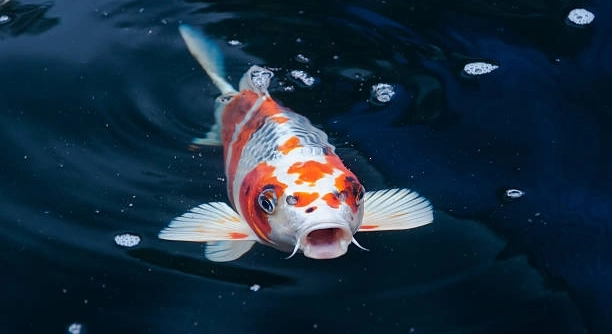
Creating a healthy environment for koi ponds starts with choosing the right substrate for the pond floor. The substrate plays a key role in maintaining water quality and supporting beneficial bacteria. It also impacts the overall well-being of your koi fish.
Ideal substrates for koi pond floors include gravel, river stones, sand, and specialized aquatic substrates. Each material offers specific benefits, such as aiding filtration, preventing harmful buildup, and providing a natural habitat for beneficial microorganisms. Proper substrate selection is essential for pond health and koi comfort.
Understanding the right substrate choices can improve your pond’s ecosystem and keep your koi thriving for years to come.
Gravel: The Classic Choice for Koi Pond Floors
Gravel is one of the most popular substrates used in koi ponds. It provides a stable base that supports beneficial bacteria essential for breaking down fish waste. The varying sizes of gravel pieces allow water to flow through easily, promoting good oxygen circulation. This helps keep the pond water clean and balanced. Gravel is also durable and easy to clean, which makes maintenance less of a hassle. Over time, it can collect organic debris, so occasional rinsing or stirring is recommended to prevent buildup. Many koi keepers appreciate how natural gravel looks, blending well with aquatic plants and pond décor. The texture is gentle on koi fins and helps mimic their natural environment. It’s important to choose smooth, rounded gravel to avoid harming your fish. Sharp or rough edges can cause injuries or stress, so selecting the right type is crucial for a healthy pond.
Gravel supports the pond’s ecosystem by aiding biological filtration and providing a natural feel for koi.
When using gravel, regularly monitor the pond floor to remove trapped debris. This keeps the water clear and avoids creating toxic zones. Combining gravel with aquatic plants can further enhance filtration and provide shelter for koi. Overall, gravel offers a reliable and effective substrate option for healthy koi pond floors.
River Stones for Natural Beauty
River stones add a decorative touch while supporting pond health.
River stones are smooth, rounded, and larger than gravel, offering excellent water flow and space for beneficial bacteria. They create a natural look that many koi keepers appreciate. These stones also resist shifting, keeping the pond floor stable. Unlike fine gravel, river stones don’t trap as much debris, reducing cleaning frequency. However, because they are bigger, they provide fewer hiding spots for smaller pond creatures. They work best when combined with smaller substrates to balance aesthetics and functionality. River stones can also help anchor plants, contributing to a balanced pond ecosystem. Their weight and size make them less likely to be displaced by koi activity, preserving the pond’s layout. Choosing stones free of sharp edges protects your koi from injury. Overall, river stones offer a blend of beauty and practicality for koi pond floors.
Sand as a Substrate
Sand provides a smooth, natural base for koi ponds and helps prevent injury to delicate fins.
Fine sand settles tightly, creating a stable floor that encourages beneficial bacteria growth. It’s easy to clean by siphoning debris from the surface, but compacted sand can limit water flow if not properly maintained. Sand also allows koi to forage naturally, which supports their health and behavior. Because sand particles are small, they don’t trap much debris deep in the substrate, reducing the chance of harmful buildup. However, sand alone may compact over time, so mixing it with gravel or stones can improve drainage and prevent stagnant areas.
Regular maintenance ensures sand stays clean and supports a healthy pond environment. Mixing sand with other substrates balances benefits and avoids common sand-only issues.
Specialized Aquatic Substrates
Specialized aquatic substrates are designed specifically for pond ecosystems. They often contain minerals that promote plant growth and help balance water chemistry. These substrates improve biological filtration by providing an ideal surface for beneficial bacteria to colonize. Unlike ordinary gravel or sand, aquatic substrates can enhance pond water quality by stabilizing pH levels and releasing nutrients slowly. They tend to be lightweight and easy to install, making them convenient for both new and existing ponds. Using specialized substrates supports a healthy, thriving environment for koi and aquatic plants alike. These substrates are often more expensive but offer long-term benefits by improving water clarity and fish health. Combining them with other materials can create a well-rounded pond floor that meets multiple needs.
Pea Gravel
Pea gravel is small, smooth, and rounded, making it gentle on koi fins. It allows good water circulation and prevents debris buildup.
Its size makes it easy to clean and maintain. Pea gravel also provides a natural look that complements aquatic plants well.
Crushed Granite
Crushed granite offers excellent drainage and supports beneficial bacteria growth. It is more angular than rounded gravel, which can provide better filtration by trapping organic waste. Its rough texture allows good water flow while promoting microbial colonies. However, sharp edges mean it should be used carefully to avoid injuring koi. Crushed granite is durable and often used in ponds that need strong filtration support. Over time, it stabilizes the pond floor and helps maintain water quality.
Bare Pond Floor
A bare pond floor can reduce maintenance since there’s no substrate to clean. However, it lacks surfaces for beneficial bacteria and doesn’t provide a natural environment. Bare floors can lead to quicker buildup of waste and algae, requiring more frequent water changes and filtration management.
What is the best substrate for koi pond floors?
The best substrate depends on your pond’s needs and your koi’s well-being. Gravel and river stones are widely favored for their balance of durability, filtration support, and natural look. Gravel supports beneficial bacteria and water flow, while river stones add stability and reduce debris buildup. Specialized aquatic substrates help maintain water chemistry and plant health. Sand is gentle on koi but needs mixing with other substrates to avoid compaction. Choosing a substrate that fits your maintenance routine and pond environment is key to healthy koi.
How often should I clean my koi pond substrate?
Cleaning frequency depends on the substrate type and pond conditions. Gravel and pea gravel should be rinsed or stirred every few months to remove trapped debris. Sand may require more frequent surface siphoning to avoid compaction and buildup. River stones need less frequent cleaning but still benefit from occasional rinsing. Specialized substrates generally require less maintenance but still need monitoring. Regular cleaning prevents harmful buildup, helps maintain water quality, and supports healthy bacteria colonies that keep your koi comfortable.
Can I mix different substrates in my koi pond?
Yes, mixing substrates can offer multiple benefits. Combining sand with gravel improves drainage and prevents compaction. Adding river stones alongside gravel creates a natural look and stabilizes the pond floor. Specialized substrates can be layered with gravel or sand to enhance water quality and plant growth. Mixing allows you to tailor the pond floor to meet both filtration needs and aesthetic preferences. Just ensure the materials are safe for koi and avoid sharp or rough edges to prevent injuries.
Is it necessary to have a substrate in a koi pond?
While not absolutely necessary, substrate is highly recommended. It provides a surface for beneficial bacteria that break down waste, helping maintain clear and healthy water. Substrates also create a natural environment that reduces stress for koi. Bare pond floors lack these benefits and can lead to faster waste buildup, increasing maintenance needs. Substrate choices influence filtration efficiency, water chemistry, and overall pond health, making them an important part of koi care.
How does substrate affect water quality in koi ponds?
Substrates influence water quality by supporting beneficial bacteria essential for biological filtration. These bacteria convert harmful ammonia and nitrites into less toxic nitrates. Porous and well-oxygenated substrates like gravel or specialized aquatic materials enhance this process. Some substrates help stabilize pH levels and slowly release nutrients for plants. Poor substrate choice or lack of cleaning can lead to organic buildup, creating toxic conditions. Proper substrate management is key to balanced water chemistry and a healthy pond ecosystem.
Can koi damage the substrate?
Koi are active fish that may disturb loose or fine substrates like sand or small gravel while foraging or swimming. This can lead to compaction, uneven surfaces, or clouded water. Larger substrates like river stones are less likely to be displaced. To protect the substrate, select materials that stay stable under koi activity and avoid very fine particles that easily shift. Regular pond maintenance also helps minimize substrate damage and keeps the pond floor safe for your fish.
Are sharp substrates harmful to koi?
Yes, substrates with sharp edges can cause injuries to koi fins and bodies. Scratches or cuts increase the risk of infections and stress. It’s important to choose smooth, rounded substrates such as pea gravel or river stones. If crushed or angular materials are used, ensure they are carefully inspected and free from sharp fragments. Providing a gentle surface helps koi swim comfortably and promotes their overall health.
How do aquatic plants interact with pond substrates?
Aquatic plants rely on substrates for anchorage and nutrients. Specialized aquatic substrates rich in minerals support healthy root development and plant growth. Gravel and river stones can also anchor plants but provide fewer nutrients. Sand is less ideal for plants because it compacts easily and drains poorly. Well-chosen substrates encourage plants to thrive, improving oxygen levels and natural filtration, which benefits koi. A balanced substrate-plant setup creates a stable and healthy pond environment.
What is the easiest substrate to maintain in a koi pond?
Gravel and pea gravel are generally the easiest substrates to maintain. They allow water flow and trap less debris deep in the substrate, making cleaning simpler. River stones require less frequent cleaning but are heavier to handle. Sand needs more regular attention to prevent compaction and buildup. Specialized substrates may be low maintenance but come at a higher cost. Choosing a substrate that fits your cleaning routine helps keep your pond healthy without too much effort.
Can substrate choice affect koi behavior?
Yes, substrate impacts how koi interact with their environment. Natural substrates like gravel and sand allow koi to forage, which is a natural behavior that reduces boredom and stress. Rough or sharp substrates may cause koi to avoid certain areas, limiting their space. Stable, smooth substrates create comfortable conditions for swimming and resting. A well-selected substrate contributes to koi happiness by supporting their natural instincts and physical well-being.
Choosing the right substrate for your koi pond floor is an important step to keep your pond healthy and your fish comfortable. Different substrates offer different benefits, like helping with filtration, supporting plant growth, or providing a natural look. Gravel and river stones are popular because they allow water to flow easily and give bacteria a place to grow, which helps keep the water clean. Sand is gentle on the koi but needs to be mixed with other materials to avoid compacting. Specialized aquatic substrates improve water quality and help plants grow better. Each option has its pros and cons, so it’s important to pick the one that fits your pond’s needs and your maintenance habits.
Maintaining the substrate is just as important as choosing it. Over time, debris like fish waste, uneaten food, and plant matter can build up in the substrate, which can harm water quality if not cleaned regularly. Gravel and pea gravel are easier to clean by stirring or rinsing, while sand requires more frequent surface cleaning to prevent clumping. River stones trap less debris but still need some care. Keeping the substrate clean supports the good bacteria that break down waste and keep the pond water balanced. If the substrate becomes dirty or compacted, it can cause problems for your koi and plants. Regular maintenance helps the pond stay healthy and reduces the risk of disease or poor water conditions.
Overall, a good substrate is key for creating a stable and balanced koi pond environment. It supports filtration, encourages plant growth, and makes the pond look more natural and inviting. Choosing smooth, safe materials prevents injury to your koi and keeps them happy. Remember that each pond is different, so your choice should fit your pond’s size, water conditions, and how much time you want to spend on upkeep. By carefully selecting and caring for the right substrate, you help ensure your koi have a clean, comfortable place to live and thrive for years to come.

Hello,
If you enjoy the content that we create, please consider saying a "Thank You!" by leaving a tip.
Every little bit helps us continue crafting quality advice that supports the health, happiness, and well-being of pets around the world, for pets of all shapes, sizes, and species.
We really appreciate the kindness and support that you show us!