
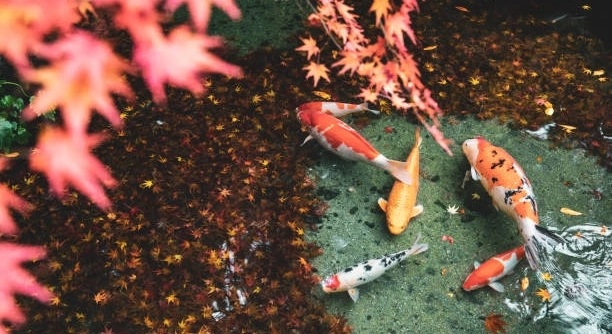
Koi fish often gather near the pond pump, creating a noticeable cluster. This behavior can be surprising to pond owners but is quite common in many garden ponds where koi are present. It reflects their natural instincts and environmental preferences.
Koi cluster near the pond pump primarily because the pump releases oxygenated water and creates water movement. These conditions attract koi, as they prefer well-oxygenated areas and enjoy swimming against currents, which also helps them stay healthy and active.
Understanding why koi favor the pump area can improve pond care and fish wellbeing. This article explores the reasons behind this behavior and offers insights to enhance your pond environment.
Why Koi Are Drawn to the Pond Pump
Koi are naturally attracted to areas with more oxygen and movement. The pond pump pushes water through its outlet, increasing oxygen levels in that part of the pond. This helps koi breathe more easily. The constant water flow also stimulates their swimming instincts. Many koi enjoy swimming against currents because it provides exercise and mental stimulation. Additionally, the pump area often gathers small particles of food and debris, which koi may find interesting to forage. This combination of oxygen, water movement, and available food makes the pump a hotspot for koi activity. If you watch closely, you might notice koi taking turns swimming through the flow or resting nearby to conserve energy. The pump area essentially becomes a social and practical space for koi within the pond environment.
Koi cluster near the pump because it offers a blend of comfort, activity, and feeding opportunities that are beneficial to their wellbeing.
Maintaining a well-functioning pump and proper water flow can improve koi health. If the pump slows or clogs, oxygen levels drop, and koi may become less active or stressed. Ensuring clean water and regular pump maintenance supports a healthy pond ecosystem. Some pond owners add additional aerators or waterfalls to boost oxygen in other areas, encouraging koi to explore beyond the pump zone. By balancing water movement and oxygenation throughout the pond, koi can distribute themselves more evenly, reducing overcrowding near the pump. Understanding this behavior helps with pond management and enhances the overall environment for koi.
Managing Koi Behavior Around the Pump
Koi clustering near the pump is natural but can sometimes cause overcrowding. This might stress the fish or wear down pond equipment if left unchecked.
To manage this behavior, it is important to provide multiple oxygenated areas in the pond. Installing extra aerators or additional water features can create more spots that attract koi. Spreading out feeding areas also encourages koi to move around the pond instead of staying only near the pump. Providing hiding places or shaded zones may help koi feel secure in different parts of the pond, reducing their reliance on the pump area. Regular water testing and pump maintenance remain essential to ensure healthy oxygen levels. Adjusting these elements gradually will help koi adapt without causing stress. This approach keeps the pond balanced and supports koi health over time, making their environment more comfortable and lively.
Impact of Water Temperature Near the Pump
Water near the pump tends to be cooler because of constant movement and aeration. Koi often prefer these cooler areas, especially during warmer months when pond water can get too warm.
Temperature influences koi activity and comfort. Cooler, oxygen-rich water near the pump creates an ideal environment for koi to regulate their body heat. When pond temperatures rise, koi gather near the pump to avoid warmer stagnant areas. This helps prevent heat stress and maintains their metabolism. However, if water becomes too cold, koi may reduce activity and cluster more tightly to conserve warmth. The pump area offers a balance of temperature and oxygen, which is critical for koi wellbeing throughout seasonal changes. Properly monitoring water temperature helps keep koi comfortable and healthy.
If a pond lacks sufficient water circulation, temperature can become uneven, causing koi to crowd near the pump more frequently. This makes maintaining consistent water flow essential for balanced temperature distribution. Using additional pumps or aerators can help regulate temperature across the pond. Avoiding stagnant areas reduces risks of algae growth and low oxygen zones that can harm koi. By managing temperature effectively, koi are less likely to over-concentrate near the pump, encouraging natural pond exploration and reducing stress.
Effect of Feeding Practices on Koi Clustering
Feeding koi near the pump increases their tendency to cluster there. They associate the area with food and return frequently for meals.
Feeding location directly impacts koi behavior around the pump. If food is regularly offered near the pump, koi learn to gather in that spot. This reinforces clustering, sometimes leading to overcrowding and increased waste buildup. To reduce this, feeding koi in various pond locations encourages movement and better distribution. Spreading food evenly prevents koi from fixating on a single area, promoting healthier activity levels. Feeding smaller amounts multiple times daily can also decrease competition among koi, lowering stress near the pump zone. This approach balances koi behavior and supports overall pond cleanliness. Adjusting feeding practices gradually helps koi adapt without confusion or agitation.
Water Quality Around the Pump
The water near the pump is usually cleaner due to constant circulation. This attracts koi since they prefer clearer, oxygen-rich water.
Regular water movement prevents buildup of harmful substances. This keeps koi healthier and reduces risks of disease around the pump area.
Signs of Stress When Koi Cluster Excessively
Excessive clustering near the pump can cause koi stress. Signs include rapid breathing, lethargy, or aggressive behavior among fish.
Observing these signs early helps address environmental issues before they worsen, ensuring koi remain healthy and comfortable.
How Pond Size Affects Koi Clustering
Smaller ponds tend to have more noticeable clustering near the pump because space is limited. Larger ponds usually allow koi to spread out more.
Increasing pond size or adding multiple pumps can reduce clustering by providing more oxygenated areas.
The Role of Pond Plants in Distributing Koi
Plants offer shade and shelter, encouraging koi to explore beyond the pump. Adding plants helps balance koi movement throughout the pond.
FAQ
Why do koi always gather near the pond pump?
Koi gather near the pump because it provides higher oxygen levels and constant water movement. These conditions are important for their breathing and activity. The pump area also tends to have more food particles, attracting koi to forage there. Cooler water temperature near the pump adds to its appeal.
Is it harmful for koi to cluster near the pump?
Clustering itself is not harmful but can lead to stress if the area becomes overcrowded. Overcrowding increases competition for food and space, which may cause aggressive behavior or injuries. Poor water circulation due to clogged pumps can also reduce oxygen levels, making the environment less healthy.
How can I reduce koi clustering near the pump?
To reduce clustering, add more aerators or pumps in different parts of the pond. This creates multiple oxygenated areas, encouraging koi to spread out. Feeding koi in different spots and providing plants or hiding places also helps distribute them evenly across the pond.
Does water temperature affect koi clustering?
Yes, water temperature plays a significant role. Koi prefer cooler, oxygen-rich water near the pump, especially during warm weather. When the pond water heats up, koi gather near the pump to avoid heat stress. In colder weather, koi may cluster tighter for warmth but still prefer areas with good circulation.
Can feeding koi near the pump cause problems?
Feeding near the pump can increase clustering since koi associate that area with food. This may lead to overcrowding and buildup of waste, affecting water quality. To avoid this, feed koi in different locations and in smaller amounts throughout the day to encourage movement and reduce stress.
What maintenance can help keep koi healthy around the pump?
Regular cleaning of the pump and filters is crucial to maintain good water flow and oxygen levels. Remove debris and check for clogs to prevent stagnation. Test water quality often to ensure balanced pH and oxygen content. Proper maintenance supports koi health and reduces clustering caused by poor conditions.
Are there signs koi are stressed from clustering?
Signs include rapid gill movement, lethargy, loss of appetite, and increased aggression. Koi may also rub against surfaces or show unusual swimming patterns. Observing these behaviors early allows for timely intervention, such as improving water quality or redistributing koi to prevent further stress.
Does pond size influence koi behavior near the pump?
Smaller ponds tend to have more noticeable clustering due to limited space. Larger ponds provide more room for koi to spread out and find oxygenated zones. Increasing pond size or adding extra pumps helps balance koi distribution and reduces overcrowding near any single point.
How do pond plants affect koi clustering?
Plants create shaded, sheltered areas that attract koi away from the pump. They improve water quality by absorbing nutrients and providing oxygen. Adding plants encourages koi to explore different parts of the pond, helping to balance their activity and reduce clustering near the pump.
Can I add more pumps to prevent clustering?
Yes, installing additional pumps or aerators creates more oxygen-rich zones. This helps distribute koi more evenly and reduces stress caused by overcrowding. Multiple pumps also improve overall water circulation, which supports a healthier pond environment.
What happens if the pump stops working?
If the pump stops, oxygen levels drop, and water can become stagnant. Koi may become stressed, less active, and more prone to illness. Immediate repair or replacement is essential to restore water movement and oxygenation, ensuring the koi’s survival and wellbeing.
How often should I feed koi to prevent clustering?
Feeding small amounts two to three times a day in different areas encourages koi to move throughout the pond. Avoid overfeeding, as excess food causes water pollution and promotes clustering near feeding spots. Consistent feeding schedules help maintain healthy koi behavior.
Does water quality near the pump differ from other areas?
Water near the pump is usually cleaner and better oxygenated due to constant circulation. This makes it more attractive to koi. In other parts of the pond, water may be warmer or have less oxygen, which koi tend to avoid unless necessary.
What can I do if koi are aggressive near the pump?
Aggression often results from overcrowding or competition for food. Reducing clustering by adding more oxygenated zones and feeding in different locations helps. Also, check water quality and pond conditions to ensure koi are healthy and not stressed by environmental factors.
Final Thoughts
Koi clustering near the pond pump is a common behavior influenced by several environmental factors. The pump creates an area with higher oxygen levels, cooler water, and constant movement. These conditions naturally attract koi because they support their health and comfort. While clustering itself is not harmful, it is important to understand why koi gather there and how to manage this behavior to ensure a balanced and healthy pond environment.
Managing koi clustering involves maintaining good water quality and circulation throughout the pond. Regular cleaning and monitoring of the pump and filters help keep water moving and oxygenated. Adding additional pumps or aerators in different pond areas can encourage koi to spread out rather than crowding one spot. Providing plants and feeding koi in various locations also supports even distribution. These actions reduce the risks of overcrowding, stress, and water pollution, promoting the wellbeing of koi and the overall pond ecosystem.
Understanding koi behavior near the pump allows for better pond management. Adjusting feeding practices, monitoring water temperature, and maintaining proper filtration are key steps. By addressing the factors that cause koi to cluster, it is possible to create a more balanced environment where koi can thrive. This helps ensure the longevity and health of koi, allowing them to display their natural beauty throughout the seasons.

Hello,
If you enjoy the content that we create, please consider saying a "Thank You!" by leaving a tip.
Every little bit helps us continue crafting quality advice that supports the health, happiness, and well-being of pets around the world, for pets of all shapes, sizes, and species.
We really appreciate the kindness and support that you show us!