
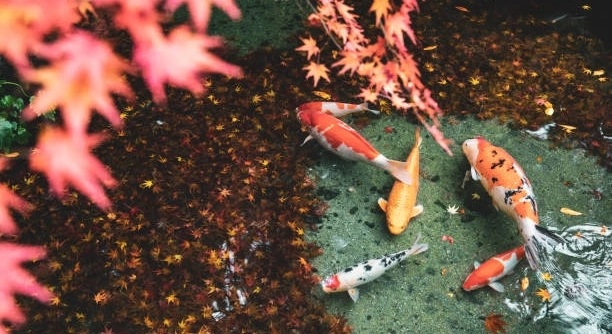
Introducing koi fry to a pond requires careful attention to ensure their health and safety. Many hobbyists want their young fish to grow strong and adapt well to their new environment. This article outlines safe methods to help koi fry settle comfortably.
Successfully introducing koi fry involves gradual acclimation, maintaining clean water conditions, and careful monitoring during the transfer process. These steps reduce stress, prevent shock, and promote healthy development in the pond ecosystem.
Following these guidelines will help your koi fry thrive and establish a solid foundation in their new home.
Preparing the Pond for Koi Fry
Before adding koi fry to your pond, make sure the environment is ready. The water should be clean and stable with proper filtration. Check that the temperature is between 70°F and 75°F, which is ideal for young koi. Remove any sharp objects or plants that might harm the fry. Also, ensure the pond has enough hiding spots like small plants or mesh shelters to protect the fry from predators. Proper preparation helps reduce stress and increases their chances of survival. Testing water parameters such as pH, ammonia, and nitrites is essential, as fry are sensitive to changes. Taking these steps ahead of time makes the transition smoother and safer for the young fish.
Preparing the pond well is key to keeping koi fry healthy and secure during their introduction.
Taking the time to prepare your pond environment shows care for your koi fry. It reduces risks and creates a safe space for them to grow. Clean water, good temperature, and shelter will help them settle and thrive.
Gradual Acclimation to Pond Water
Introduce the koi fry to the pond water slowly to avoid shock. Start by floating the container holding the fry on the pond surface for about 20 minutes. This allows the temperature to equalize. Next, gradually add small amounts of pond water into the container every 10 minutes. This step helps the fry adjust to the new water chemistry. Once the water inside the container matches the pond, gently release the fry into a sheltered area of the pond. Avoid pouring the water directly from the container, as this can stress the fish. Gradual acclimation is essential for their survival and long-term health.
Slow introduction protects delicate fry from sudden changes in their environment.
Taking the time to acclimate koi fry reduces stress and prevents common health problems. It encourages them to adapt naturally to new water conditions and improves their chance of thriving in the pond.
Feeding Koi Fry After Introduction
Feeding koi fry properly supports their growth and health. Use high-quality fry food with small particles suited for their size. Feed small amounts multiple times a day to avoid overfeeding and water pollution.
Start with finely crushed flakes or specialized fry pellets. Feeding 3 to 4 times daily helps fry get the nutrients they need. Avoid uneaten food as it can pollute the water and harm the fry. Observing their eating habits ensures they receive enough nutrition without overfeeding. Maintaining water quality while feeding is crucial for their development. Fresh food and regular feeding schedules encourage strong growth and active behavior in your koi fry.
As the fry grow, gradually increase the pellet size and reduce feeding frequency. This adjustment helps their digestive system develop properly. Offering a varied diet, including live or frozen foods like brine shrimp or daphnia, can boost their immune system. Healthy feeding practices make a big difference in their survival and overall wellbeing.
Monitoring Water Quality
Water quality directly impacts koi fry survival. Keep testing parameters such as ammonia, nitrites, nitrates, pH, and temperature regularly to maintain a stable environment. Immediate action is necessary if any values fall outside the safe range.
Ammonia and nitrites must stay near zero since they are toxic to fry. Nitrate levels should be kept low through regular water changes. Maintaining pH around 7.0 to 8.0 is ideal, while temperatures between 70°F and 75°F promote growth. Good filtration and aeration help keep water clean and oxygen-rich. Monitoring water quality daily during the first weeks after introduction reduces the risk of illness or death.
Regular water testing helps catch problems early before they harm the koi fry. Proper filtration systems, beneficial bacteria, and partial water changes are important for maintaining a healthy pond. Consistent monitoring ensures a balanced pond environment and supports strong, healthy koi growth.
Protecting Koi Fry from Predators
Predators like birds and larger fish pose a threat to koi fry. Use nets, floating plants, or shelters to give fry safe hiding places in the pond. Reducing exposure to open areas helps keep them safe.
Covering parts of the pond with mesh or netting is effective. You can also add dense vegetation to create natural barriers. Regularly check these protections to ensure they remain intact and secure.
Maintaining Proper Oxygen Levels
Oxygen is vital for koi fry survival and growth. Make sure the pond has good aeration through air stones, waterfalls, or fountains. This keeps oxygen levels high and water moving.
Stagnant water reduces oxygen and can stress the fry. Proper circulation also helps keep the water clean and healthy for the young fish.
Avoiding Overcrowding
Overcrowding stresses koi fry and increases disease risk. Keep the number of fry appropriate for the pond size. This ensures enough space and resources for healthy growth.
Allowing enough room helps maintain good water quality and reduces competition for food. It supports stronger, more active fish in the pond.
FAQ
How long should koi fry be acclimated to pond water?
Koi fry should be acclimated slowly over about 1 to 2 hours. Start by floating their container in the pond for 20 to 30 minutes to equalize temperature. Then, add small amounts of pond water every 10 to 15 minutes. This gradual process helps them adjust to differences in water chemistry and reduces stress. Quick changes in water conditions can cause shock or even death, so patience during acclimation is essential for their survival.
What is the best temperature for introducing koi fry?
The ideal temperature for introducing koi fry is between 70°F and 75°F (21°C to 24°C). This range supports their metabolism and helps them adapt smoothly to the pond environment. Temperatures outside this range can slow growth or cause stress. If the pond water is colder or warmer, it’s best to wait until conditions are stable or adjust the temperature gradually before adding the fry.
Can I introduce koi fry directly into a pond with adult koi?
Introducing koi fry directly into a pond with adult koi is not recommended. Adult koi may eat or bully the fry, which can cause injury or death. It’s better to use a separate nursery area or protective cages until the fry grow larger and stronger. This separation allows fry to develop without pressure and increases their chances of survival.
How often should I feed koi fry in a new pond?
Koi fry should be fed small amounts 3 to 4 times a day during the first few weeks. Frequent feeding supports their rapid growth and energy needs. Overfeeding can pollute the water, so only offer what they can eat in a few minutes. As fry grow, reduce feeding to 2 to 3 times daily and increase pellet size accordingly.
What type of food is best for koi fry?
The best food for koi fry includes finely crushed flakes, specialized fry pellets, or small live foods like brine shrimp and daphnia. These provide essential nutrients for healthy growth. A varied diet improves immune function and development. Avoid large pellets or adult koi food at first, as fry may struggle to eat them.
How can I protect koi fry from predators?
Protect koi fry by providing plenty of hiding spots like dense plants, mesh shelters, or floating covers. Installing bird netting or using pond covers can keep birds away. Also, avoid keeping large aggressive fish with fry. Regularly inspect protective measures to ensure they are secure and effective.
What water parameters are most important for koi fry?
Ammonia and nitrites must be kept at zero, as they are toxic to fry. Nitrate levels should be low, ideally below 40 ppm. pH should stay stable between 7.0 and 8.0. Temperature should be between 70°F and 75°F. Maintaining these parameters requires regular water testing and proper filtration.
How often should I change the pond water after adding koi fry?
Partial water changes of 10% to 20% weekly help maintain water quality without causing stress. Avoid large or sudden water changes, which can shock the fry. Regular testing will guide how often and how much water to replace.
What signs indicate stress or illness in koi fry?
Signs include lethargy, loss of appetite, clamped fins, unusual swimming patterns, or spots and sores on their bodies. Early detection allows prompt treatment. Keep an eye on fry behavior daily to catch problems before they worsen.
Is it necessary to quarantine koi fry before pond introduction?
Quarantining fry for at least one week helps prevent introducing diseases to the pond. During this time, observe for signs of illness and maintain clean water. Quarantine also gives fry time to acclimate to controlled conditions before facing pond variables.
Introducing koi fry to a pond is a delicate process that requires careful attention and patience. Ensuring the pond is well prepared, with stable water conditions and proper temperature, helps create a safe environment for the young fish. Gradual acclimation to the pond water reduces stress and increases their chances of adapting well. Taking these steps shows respect for the health of the koi fry and sets the stage for healthy growth. It is important to remember that rushing the process or skipping important steps can lead to unnecessary risks and problems for the fry.
Feeding koi fry correctly is another important factor for their survival. Providing small, frequent meals of suitable food helps support their rapid growth and energy needs. Avoiding overfeeding keeps the water clean and safe, which benefits both the fry and the overall pond ecosystem. Protecting the fry from predators through shelters or netting adds another layer of safety. Watching water quality closely, especially during the first few weeks, prevents dangerous conditions that could harm the fish. Regular testing and maintenance keep the environment stable and comfortable for the young koi.
Taking the time to follow safe introduction methods shows commitment to the well-being of your koi fry. With proper care, patience, and attention to detail, you help the fry thrive and develop into strong, healthy adult koi. Keeping their environment balanced, feeding them well, and protecting them from stressors are key elements to success. These practices build a solid foundation for enjoying beautiful koi in your pond for many years. Careful introduction is not just about adding fish; it’s about giving them the best chance to flourish in their new home.

Hello,
If you enjoy the content that we create, please consider saying a "Thank You!" by leaving a tip.
Every little bit helps us continue crafting quality advice that supports the health, happiness, and well-being of pets around the world, for pets of all shapes, sizes, and species.
We really appreciate the kindness and support that you show us!