
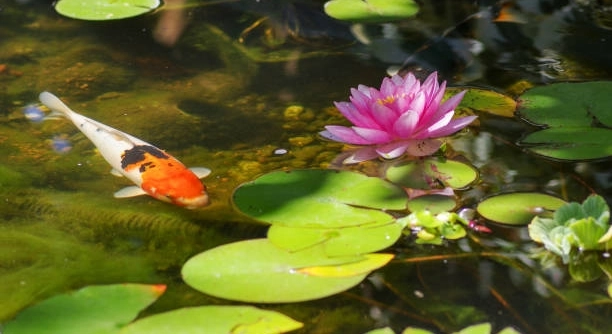
Keeping a koi pond cool during the summer months is important for the health of your fish. High temperatures can stress koi and reduce oxygen levels in the water. Proper care ensures your pond remains a safe and comfortable environment.
Maintaining cooler water temperatures in a koi pond involves a combination of shading, aeration, and water circulation techniques. These methods help prevent overheating and promote a balanced aquatic ecosystem critical to koi health during warmer months.
Knowing effective ways to cool your pond helps protect your koi and keeps your water clear and healthy throughout the hot season.
Provide Shade Over Your Pond
Adding shade over your koi pond can significantly lower water temperatures. Shade reduces direct sunlight, which heats the water quickly during summer. You can use natural options like planting trees or tall shrubs near the pond. Trees not only provide shade but also add beauty to your garden. Another option is to install shade cloth or a pergola over the pond. These structures block sunlight without blocking air flow, which helps keep the pond cooler. Even floating aquatic plants like water lilies can help by covering part of the pond’s surface and reducing sunlight exposure. When choosing shade methods, consider the amount of sunlight your pond receives throughout the day. Aim for shade during the hottest hours in the afternoon, as that’s when the water heats up most. Providing adequate shade helps protect your koi from heat stress and keeps the water environment more stable.
Shade is a simple and natural way to cool your pond and protect your fish.
Besides cooling the water, shade also limits algae growth. Algae thrive in direct sunlight, so shading your pond reduces excess algae, improving water clarity. This creates a healthier living space for your koi, reducing maintenance time. Shade also helps prevent the water from evaporating too quickly, which means you don’t have to refill the pond as often. It’s important to balance shade and sunlight to ensure aquatic plants still get enough light to survive. By carefully planning your pond’s shade, you can keep your koi cool and happy during hot summer days.
Use Aeration to Increase Oxygen Levels
Aeration helps cool your pond by increasing water movement and oxygen levels.
Aeration systems like fountains, waterfalls, or air pumps push air into the water, creating bubbles that cool the surface and improve oxygen circulation. Good oxygen levels are essential for koi health, especially when water temperatures rise. Warm water holds less oxygen, so aeration keeps oxygen at safe levels and prevents fish stress. Aeration also reduces stagnant water areas where heat builds up and algae grow more easily. Installing a simple aerator or waterfall can make a big difference in pond temperature and water quality. Regularly check that your aeration system runs well, especially during peak heat. Maintaining good aeration is one of the most effective ways to keep your koi pond cool and balanced in summer.
Add Floating Plants
Floating plants provide shade and help cool the water by covering parts of the pond’s surface. They also absorb nutrients, reducing algae growth naturally.
Plants like water lilies or duckweed create a cooler environment by blocking sunlight from heating the water. Their leaves float on the surface, preventing too much sunlight from penetrating. This limits algae growth since algae need light to thrive. Floating plants also provide hiding spots for koi, which helps reduce their stress. By covering the water, these plants slow evaporation, keeping water levels more stable during hot days. Floating plants are an easy, natural way to improve your pond’s health and temperature without complicated equipment.
Adding floating plants also boosts oxygen levels during the day through photosynthesis, which benefits the fish. It’s important to avoid overplanting, as too many plants can block oxygen at night. Balance is key for a healthy, cool pond that supports your koi’s needs all summer long.
Increase Water Circulation
Water circulation moves warm surface water deeper and cooler water up, balancing temperature throughout the pond.
Using pumps or filters to keep water flowing reduces hot spots and helps oxygenate the water. This movement breaks up stagnant areas where heat builds up and algae thrive. Circulating water evenly distributes oxygen, nutrients, and temperature, creating a healthier environment. Pumps can be set to run continuously or during the hottest hours. Proper circulation also helps debris flow toward filtration systems, keeping water cleaner. When choosing a pump, consider the size of your pond to ensure adequate flow without stressing your koi. Consistent water circulation is vital for maintaining a cool and healthy koi pond during summer heat.
Mulch Around the Pond
Mulching around your koi pond helps keep the surrounding soil cool and reduces heat transfer to the water. It also limits dust and debris from blowing into the pond.
Using organic mulch like bark or wood chips absorbs moisture and creates a cooler environment. Mulch prevents the soil from drying out and heating up, which can warm the pond water indirectly. It also improves the garden’s appearance and reduces maintenance. Mulching is a simple way to protect your pond from heat without extra tools or costs.
Use a Pond Cooler or Chiller
Pond coolers or chillers actively reduce water temperature using refrigeration or evaporative cooling. These devices are more technical but effective for serious temperature control.
They work by circulating pond water through a cooling unit that lowers the temperature before returning it. This helps maintain stable, safe conditions for koi during extreme heat. Pond chillers require electricity and some maintenance but provide precise control over water temperature. They are ideal for larger ponds or areas with consistently high temperatures. While more expensive than natural methods, chillers can prevent heat-related fish health issues effectively.
Perform Partial Water Changes
Changing a portion of your pond water with cooler fresh water lowers the overall temperature temporarily. This helps relieve heat stress on koi.
Regular partial water changes dilute warm water and introduce oxygen-rich water, improving pond conditions. It’s important not to change too much at once to avoid shocking your fish. Using a hose or bucket, replace 10-20% of the water every few days during hot weather. This simple action supports your pond’s health and keeps the koi comfortable when temperatures rise.
How often should I check the temperature of my koi pond during summer?
Checking your koi pond temperature regularly is important during hot months. Ideally, measure the water temperature once or twice a day—morning and late afternoon—when temperatures fluctuate most. This helps you catch any sudden increases early, so you can take action quickly. Consistent monitoring ensures your koi stay safe from heat stress. Simple digital thermometers or floating pond thermometers work well and are easy to use. Keep a log to track temperature trends over days, so you can spot patterns and prepare for hotter periods in advance.
What is the ideal temperature range for koi ponds in summer?
Koi thrive best when pond temperatures stay between 65°F and 75°F (18°C to 24°C). Temperatures above 80°F (27°C) can cause stress and lower oxygen levels, which are harmful to koi. When water warms beyond this range, fish become more vulnerable to disease and slower metabolism. Keeping your pond within the ideal range promotes healthy activity and feeding behavior. Using cooling methods early can help maintain this temperature range and support your koi’s well-being.
Can I use a garden hose to cool my pond?
Yes, using a garden hose to add cooler water is a quick way to lower pond temperature temporarily. Make sure the water you add is not too cold or chlorinated, as sudden changes can shock your koi. It’s best to let hose water sit for 24 hours before adding it, allowing chlorine to evaporate. Replace only a small portion (10-20%) of pond water at a time to avoid stressing your fish. Regular partial water changes with cooler water help maintain a balanced temperature and refresh oxygen levels.
Are pond fountains effective at cooling water?
Pond fountains help cool water by increasing aeration and movement, which encourages heat to escape from the surface. While they do not drastically lower water temperature, fountains improve oxygen levels and prevent stagnant areas where heat can build up. This circulation also discourages algae growth and helps keep water clear. Fountains can be combined with other cooling methods for better results. They add aesthetic value while supporting a healthier, cooler pond environment for your koi.
Will too much shade harm my koi pond?
Too much shade can limit sunlight, which aquatic plants and beneficial bacteria need to thrive. Lack of sunlight may reduce oxygen production during the day and slow down the natural breakdown of organic matter. This can affect water quality and the overall health of your pond. It’s important to strike a balance by providing shade during peak heat but allowing enough light for plants and pond life. Partial shade is ideal, giving your koi protection without disrupting the ecosystem.
How can I tell if my koi are stressed from heat?
Signs of heat stress in koi include lethargy, reduced appetite, gasping at the surface, and clamped fins. Fish may also show color fading or unusual swimming patterns. Heat stress weakens their immune system, making them prone to disease. If you notice these symptoms, act quickly to cool the water and increase aeration. Regular temperature checks and preventative cooling steps reduce the chance of heat stress affecting your fish. Early detection is key to keeping koi healthy in summer.
Is it necessary to clean the pond filter more often in summer?
Yes, cleaning your pond filter more frequently during summer is important. Higher temperatures speed up fish metabolism and waste production, which means more debris and organic matter in the water. A clogged filter reduces water flow and oxygen levels, worsening heat stress on koi. Regular filter maintenance ensures efficient filtration, helps control ammonia and nitrite levels, and keeps water quality high. Check the filter weekly or as needed depending on pond size and stocking levels.
Can adding ice to the pond help cool the water?
Adding ice directly to your koi pond is not recommended. Sudden drops in water temperature can shock your fish and cause health problems. Koi are sensitive to rapid temperature changes, so cooling must be gradual. Instead, use natural cooling methods like shade, aeration, or partial water changes with cooler water. These options provide a steady and safer way to lower pond temperature without stressing your fish. Maintaining a stable environment is far more beneficial than quick fixes like ice.
How does evaporation affect pond temperature?
Evaporation cools the pond surface by releasing heat into the air as water changes from liquid to vapor. This natural process helps lower water temperature, especially on hot, dry days. However, evaporation also means water loss, so you’ll need to refill the pond regularly during summer. Using mulch and shade can reduce excessive evaporation and keep water levels steady. Maintaining a balance helps the pond stay cool without losing too much water, which protects your koi’s habitat.
What should I do if the pond temperature rises too quickly?
If your pond temperature rises rapidly, increase aeration immediately by turning on pumps, fountains, or adding air stones. Add shade using temporary covers like shade cloth or umbrellas. Perform a partial water change with cooler, dechlorinated water to lower the temperature safely. Remove debris and excess algae that trap heat. Monitor fish behavior closely and reduce feeding since koi eat less in warmer water. Acting quickly can prevent heat stress and keep your koi safe during sudden temperature spikes.
Keeping your koi pond cool in summer takes some effort, but it is very important for the health of your fish. High temperatures can cause stress and reduce oxygen in the water, which harms koi. Using a combination of shading, aeration, floating plants, and proper water circulation helps keep the water temperature in a safe range. Simple steps like adding mulch around the pond and performing partial water changes with cooler water also make a difference. Each method works in its own way to lower heat and improve water quality, so using several together is the best approach.
It is important to check your pond regularly during the hot months. Measuring the water temperature and watching your koi’s behavior can help you know when to take action. If fish seem sluggish or stay near the surface gasping for air, these are signs the water may be too warm or oxygen is low. Acting quickly by increasing aeration or adding shade can reduce stress and protect your koi from illness. Avoid quick fixes like adding ice, which can shock fish. Instead, focus on steady, safe cooling methods that support a balanced environment for your pond.
Taking care of a koi pond during summer also means paying attention to water quality and maintenance. Clean filters more often because warm water encourages faster waste buildup. Keep an eye on algae growth, which can increase in heat and sunlight. Floating plants not only help shade the water but also reduce nutrients that feed algae. By combining good care, proper cooling, and regular maintenance, your koi pond will stay healthier and more comfortable. This creates a pleasant space for your fish and makes enjoying your pond easier all summer long.

Hello,
If you enjoy the content that we create, please consider saying a "Thank You!" by leaving a tip.
Every little bit helps us continue crafting quality advice that supports the health, happiness, and well-being of pets around the world, for pets of all shapes, sizes, and species.
We really appreciate the kindness and support that you show us!