
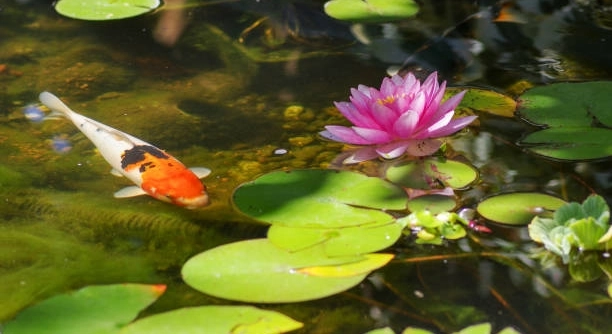
Koi fish are popular additions to home ponds, admired for their beauty and graceful swimming. Observing them closely helps owners notice changes in behavior, such as gasping at the water’s surface. This can be an early indicator of health issues requiring attention.
Koi fish gasping at the surface usually indicates low oxygen levels in the water or poor water quality. It may also result from stress, disease, or high temperatures that reduce oxygen availability, necessitating prompt action to ensure the fish’s wellbeing.
Recognizing the causes behind this behavior is important for maintaining a healthy pond environment. The following article explains key factors affecting your koi’s health and what steps to take to help them thrive.
Common Causes of Gasping in Koi Fish
Koi fish often gasp at the surface when they struggle to get enough oxygen from the water. One common cause is low oxygen levels, which can happen when the pond water is too warm or stagnant. Warm water holds less oxygen, so koi may swim near the surface where oxygen is more available. Another factor is poor water quality, such as high ammonia or nitrite levels, which can irritate their gills and reduce oxygen absorption. Overcrowding is also a problem; too many fish in a small pond increases waste and lowers oxygen. Additionally, diseases like gill parasites or bacterial infections can cause koi to gasp due to damaged gills. It is important to regularly check water temperature, oxygen levels, and water quality to prevent these issues. Keeping the pond clean and properly aerated helps maintain a healthy environment for koi.
Proper aeration and filtration can greatly reduce stress on koi fish. Aerators increase oxygen supply, while good filtration removes harmful chemicals and waste. These systems improve overall pond health, reducing the chance of gasping behavior.
Regular monitoring and maintenance are essential to avoid oxygen depletion and water contamination. Use test kits to check oxygen, ammonia, and nitrite levels often. Introducing aquatic plants can also help oxygenate the pond naturally. Consider reducing fish density if the pond is overcrowded. When disease is suspected, prompt treatment with appropriate medications is necessary to protect the fish. A well-maintained pond supports koi health and reduces the risk of gasping and other signs of distress.
How to Improve Oxygen Levels in Your Pond
Increasing oxygen in your pond is crucial when koi fish are gasping at the surface. Adding an aeration device or fountain helps circulate water and adds oxygen.
Using pond plants such as water lilies and submerged oxygenators can improve oxygen naturally. Plants produce oxygen during photosynthesis and provide shade, which helps keep water temperature lower. Lower water temperature allows more oxygen to dissolve, making it easier for koi to breathe. Mechanical aerators work by creating bubbles that increase surface agitation, promoting gas exchange. Proper placement of these devices is important to ensure even oxygen distribution throughout the pond. Avoid overfeeding fish as excess food decomposes and consumes oxygen. Regularly removing debris and fallen leaves prevents oxygen depletion. These steps create a stable, oxygen-rich environment where koi can thrive without stress or gasping.
Improving oxygen levels requires consistent effort and monitoring. A combination of mechanical aeration, plants, and good pond care will keep your koi comfortable and healthy for the long term.
Signs of Poor Water Quality
Poor water quality directly affects koi fish health. Cloudy water, strong odors, or excessive algae growth are common signs. These conditions reduce oxygen and increase toxins, causing koi to gasp for air and show stress.
Testing water regularly is essential. High ammonia and nitrite levels indicate pollution from fish waste or uneaten food. pH imbalance can also harm koi, making gill function less efficient. Water hardness and temperature changes contribute to stress, worsening gasping. Frequent partial water changes help maintain balance and flush toxins. Removing debris and controlling algae growth improves clarity and oxygen levels. Keeping a stable environment reduces gasping and supports overall fish health.
Avoid overcrowding to minimize waste buildup. Overcrowding leads to more ammonia and nitrite, overwhelming filtration systems. Feeding koi the right amount prevents leftover food from decaying in the pond. Using high-quality fish food reduces pollution. Installing efficient filtration and aeration systems supports water quality. When water quality is maintained, koi show less gasping and live longer, healthier lives.
Treating Disease-Related Gasping
If koi gasp due to illness, identifying the cause quickly is important. Gill parasites, bacterial infections, or fungal growth can damage gills and reduce oxygen absorption. Treatment depends on the diagnosis.
Medications like antiparasitics or antibiotics target specific infections. Quarantining sick fish helps prevent spread to others. Improving water quality supports recovery, as healthy water boosts the immune system. In severe cases, veterinary advice may be necessary. Early treatment reduces long-term damage and stress on koi. Observing fish behavior daily helps catch symptoms early.
Proper pond hygiene and avoiding sudden temperature changes reduce disease risk. Regular cleaning, balanced feeding, and good aeration create an environment less favorable for pathogens. Taking these steps helps keep koi healthy and minimizes episodes of gasping caused by disease.
Temperature and Oxygen Levels
High water temperatures reduce oxygen availability, causing koi to gasp at the surface. Warm water holds less oxygen, making it harder for fish to breathe. Monitoring temperature helps prevent stress and gasping.
Keeping pond water cool during hot months is essential. Shade and aeration lower water temperature and increase oxygen, improving koi comfort and health.
Proper Feeding Practices
Overfeeding koi can cause leftover food to decay, which lowers oxygen levels and pollutes water. Feed only what koi can eat in a few minutes to prevent this.
Balanced feeding supports koi health and keeps water quality stable. Choose high-quality food and adjust portions based on season and fish activity.
Aeration Techniques for Ponds
Aerators and fountains are effective ways to add oxygen to pond water. They increase surface agitation, which improves oxygen exchange and circulation throughout the pond. Good aeration reduces gasping.
Regular maintenance of aeration devices ensures they function properly. Proper placement maximizes oxygen distribution, helping koi breathe easier and stay healthy.
Signs of Stress in Koi Fish
Gasping at the surface is a clear sign of stress. Other signs include lethargy, loss of appetite, and clamped fins. Stress often results from poor water quality, temperature changes, or disease.
FAQ
Why is my koi fish gasping at the surface?
Koi fish gasping at the surface often means they are struggling to get enough oxygen. Low oxygen levels can result from warm water, poor aeration, or overcrowded ponds. It can also be caused by water pollution or gill diseases that reduce their ability to breathe properly.
How can I increase oxygen in my pond?
Adding aeration devices like fountains, air pumps, or waterfalls improves oxygen circulation. Introducing aquatic plants also helps by producing oxygen during photosynthesis. Keeping the pond clean and removing debris prevents oxygen depletion caused by decaying organic matter.
What water parameters should I test for?
Test for oxygen, ammonia, nitrite, pH, and temperature regularly. High ammonia and nitrite levels are toxic to koi and reduce their ability to absorb oxygen. Stable pH and temperature help maintain gill function and overall fish health.
Can temperature changes cause gasping?
Yes. Warm water holds less oxygen and stresses koi. Sudden temperature shifts can shock fish, damaging their gills. Keeping the pond shaded and aerated reduces temperature spikes and maintains oxygen levels.
Is overfeeding a problem for koi health?
Overfeeding leads to leftover food, which decomposes and uses oxygen, lowering water quality. Feed koi only what they can consume in a few minutes to prevent this. Proper feeding supports water clarity and oxygen balance.
What diseases cause koi to gasp?
Gill parasites, bacterial infections, and fungal growth can damage gills and reduce oxygen absorption. These illnesses often cause fish to gasp at the surface. Early treatment with proper medication is necessary to prevent serious harm.
How can I treat gasping caused by disease?
Quarantine sick fish and use specific medications based on diagnosis. Improve water quality to support healing. Consult a vet if symptoms worsen. Early treatment limits damage and helps koi recover faster.
Can overcrowding cause gasping?
Yes. Too many fish increase waste and oxygen demand, overwhelming the pond’s filtration and aeration. Maintaining a proper fish-to-water ratio helps keep oxygen levels sufficient and reduces stress on koi.
How often should I change pond water?
Partial water changes of 10-20% weekly or biweekly help remove toxins and replenish oxygen. Frequent changes keep water parameters stable and reduce gasping caused by poor water quality.
What role do aquatic plants play in koi ponds?
Plants produce oxygen during daylight and provide shade, which helps keep water cool. They also absorb nutrients that might otherwise feed algae, maintaining better water quality and oxygen levels.
How do I know if my koi is stressed besides gasping?
Look for lethargy, clamped fins, loss of appetite, or unusual swimming patterns. Stress can weaken the immune system, making koi more prone to disease and gasping for air.
Can aeration devices fail?
Yes. Mechanical failure, clogged air stones, or improper placement can reduce efficiency. Regular checks and cleaning ensure aerators work well, maintaining good oxygen circulation and reducing gasping.
Is cloudy water harmful to koi?
Cloudy water usually indicates poor filtration or excess organic waste, which lowers oxygen and irritates gills. Improving filtration and regular cleaning helps clear water and supports koi health.
Can I prevent gasping by maintaining water quality?
Maintaining balanced water parameters, good aeration, and proper feeding are the best ways to prevent gasping. Consistent pond care creates a stable environment where koi can breathe easily and stay healthy.
What should I do if my koi keeps gasping despite treatment?
Review water quality and aeration systems for issues. Consider consulting a veterinarian for a thorough diagnosis. Persistent gasping may indicate severe illness or environmental problems needing professional attention.
How important is pond size for koi health?
Larger ponds dilute waste better and provide more oxygen. Small or overcrowded ponds increase stress and gasping risk. Ensuring adequate space per fish improves water quality and reduces breathing difficulties.
Can seasonal changes affect koi gasping?
Yes. Summer heat lowers oxygen, and winter ice reduces surface gas exchange. Adjust pond care seasonally by adding aeration in summer and ensuring holes in ice during winter to maintain oxygen levels.
Are there natural ways to improve koi breathing?
Adding aquatic plants, improving aeration, and reducing overcrowding naturally support koi breathing. Regular pond cleaning and balanced feeding also contribute to a healthy environment without harsh chemicals.
How fast should I act if I see gasping koi?
Immediate action is important. Check water quality and aeration, then address any issues like temperature or pollution. Quick response reduces stress and prevents more serious health problems.
Can water additives help with oxygen problems?
Some additives claim to increase oxygen or detoxify water, but they are not substitutes for proper aeration and filtration. Use them cautiously and focus on maintaining natural oxygen levels through good pond care.
What is the best way to monitor koi health daily?
Observe behavior, swimming patterns, and appetite every day. Test water parameters regularly. Early detection of gasping or other signs allows prompt intervention, improving koi survival and wellbeing.
Final Thoughts
Koi fish gasping at the surface is a sign that something in their environment needs attention. Most often, it indicates low oxygen levels or water quality issues. Ensuring the pond has adequate aeration and clean water is essential for their well-being. Simple steps like regular water testing, partial water changes, and maintaining proper filtration can make a big difference. Temperature control is also important, as warmer water holds less oxygen and stresses the fish. Keeping the pond shaded and well-aerated helps maintain stable conditions.
Feeding habits play a crucial role in pond health. Overfeeding can cause uneaten food to decay and reduce oxygen in the water. Feeding koi only what they can consume in a few minutes prevents waste buildup and maintains cleaner water. Balanced nutrition supports their immune systems and overall vitality, making them less prone to stress and disease. Observing koi behavior daily allows early detection of problems. Signs like gasping, lethargy, or changes in appetite should prompt immediate water quality checks and adjustments.
Diseases affecting koi gills can also cause gasping, which requires timely treatment. Maintaining good water quality, proper aeration, and avoiding overcrowding reduces the risk of illness. When health issues arise, quarantine and medication are often necessary to protect the whole pond. Keeping the environment stable and monitoring your koi regularly helps ensure they stay healthy and comfortable. Taking these precautions not only addresses gasping but promotes a thriving pond ecosystem for your koi fish.

Hello,
If you enjoy the content that we create, please consider saying a "Thank You!" by leaving a tip.
Every little bit helps us continue crafting quality advice that supports the health, happiness, and well-being of pets around the world, for pets of all shapes, sizes, and species.
We really appreciate the kindness and support that you show us!