
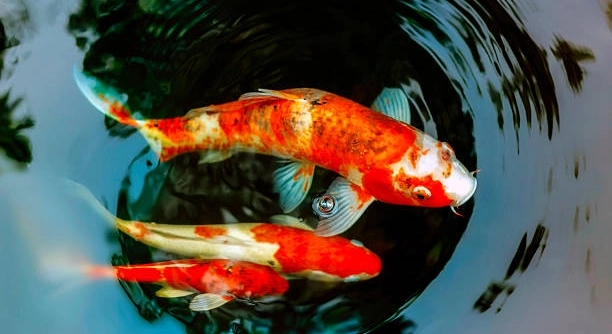
Do you ever find yourself wondering what makes one koi pond healthier for the environment than another?
An eco-friendly koi pond includes features that support a balanced ecosystem, reduce waste, and minimize environmental impact. These features often focus on water quality, natural filtration, sustainable materials, and energy-efficient equipment.
From plant choices to pump systems, each detail matters when creating a pond that works with nature instead of against it.
Natural Filtration Systems
A koi pond with a natural filtration system is one of the most important steps toward making it eco-friendly. Instead of relying only on mechanical filters, these systems use biological processes to clean the water. Bacteria colonies grow on surfaces like rocks or bio-media and help break down fish waste and excess nutrients. This creates a balanced environment that supports both the koi and other pond life. Aquatic plants also assist in filtering by absorbing nitrates and providing oxygen. When set up properly, a natural filtration system needs less maintenance and uses less energy, making it both practical and sustainable.
Plants like water hyacinth and duckweed can help clean the water while providing shade for koi.
Natural filters also encourage fewer algae blooms, which can otherwise cloud water and harm fish. Plus, because these systems require less frequent cleaning, they disturb the pond less. This helps maintain stable conditions for all pond life.
Solar-Powered Equipment
Solar-powered equipment supports a low-impact pond setup. Items like solar pumps and lights reduce energy use and can run during the day without needing external electricity.
Using solar energy to power your koi pond makes it more sustainable and budget-friendly over time. While the upfront cost of solar pumps or panels may be higher than traditional systems, the long-term benefits are worth it. You won’t rely on the grid as much, which lowers monthly utility bills. Solar lighting adds to the pond’s visual appeal and improves safety at night without adding to your energy footprint. Solar-powered aerators also help keep oxygen levels steady, especially during warm months. These features not only support your koi’s health but also lower your pond’s overall environmental impact. With fewer wires and reduced energy use, your pond becomes simpler to manage and more in tune with natural cycles.
Native Aquatic Plants
Using native aquatic plants helps keep your koi pond more balanced and eco-friendly. These plants are already adapted to your region, so they grow well with little care and support local insects and wildlife.
Native plants help maintain water quality by absorbing excess nutrients that would otherwise feed algae. Their roots also stabilize the pond’s edges, reducing erosion and keeping the water clearer. Many native species like pickerelweed, water lily, and arrowhead provide shade and cover for koi, helping to regulate water temperature and offer hiding spots. Unlike invasive species, native plants won’t take over your pond or harm the ecosystem.
Adding a mix of floating, submerged, and marginal plants can improve your pond’s appearance and health. Submerged plants oxygenate the water, floating plants block sunlight to control algae, and marginal plants create a soft transition between pond and land. Together, they support a natural balance without much upkeep.
Rainwater Harvesting
Collecting and using rainwater reduces your pond’s dependency on treated tap water. It’s a simple way to save money, conserve resources, and avoid adding chemicals that might stress koi or disrupt pond biology.
Installing a rainwater collection system can be as easy as placing a barrel under your gutter. For larger ponds, you might consider a more advanced setup with a diverter and storage tank. Rainwater is typically softer and free of chlorine, making it safer for koi. To avoid contamination, use a screened cover to keep out debris and insects. It’s also helpful to filter rainwater before adding it to the pond. This keeps pollutants from roofs or gutters from entering your water. Over time, relying on rainwater can improve water quality, support plant growth, and make your pond more eco-friendly.
Energy-Efficient Pumps
Energy-efficient pumps use less electricity while still moving enough water to support good circulation. This helps keep your pond healthy and cuts down on your energy bills. Look for models that are rated for low energy use and sized properly for your pond.
Running a pump all day can add up in cost. Choosing one with variable speed settings or a timer allows you to manage energy use without sacrificing water quality. Efficient pumps also run cooler and last longer, reducing the need for replacements and maintenance.
Balanced Fish Load
Keeping the number of koi in check helps the pond stay healthy. Too many fish produce excess waste, which increases ammonia and nitrate levels. This can stress the fish and lead to poor water quality. Aim for a balanced load based on your pond’s size and filtration system.
Avoiding Chemical Additives
Using fewer chemical treatments helps protect the pond’s ecosystem. Chemicals may provide quick fixes, but they can harm beneficial bacteria, plants, and even the koi over time. Try using natural methods to handle algae or pH changes when possible.
FAQ
How many koi can I keep in an eco-friendly pond?
The number of koi your pond can support depends on its size, depth, and filtration capacity. A general rule is one koi per 250 gallons of water. This allows enough space for swimming and reduces the amount of waste that builds up. Overcrowding causes stress, poor water quality, and increases the risk of disease. If you’re unsure, it’s better to start with fewer koi and monitor how your pond handles the bio-load. Keep in mind that koi grow large over time, and they live for decades with proper care, so plan with their future size in mind.
Do I still need a filter if I use plants and natural methods?
Yes, even if you use aquatic plants and natural filtration, a mechanical filter is still helpful. It removes debris like uneaten food, leaves, and sludge that plants and bacteria can’t break down fast enough. While plants and bio-media improve water quality, they don’t replace the need for basic filtration. A good setup combines mechanical, biological, and natural filtration to maintain water clarity and fish health. Skipping a filter completely may lead to cloudy water, buildup of harmful substances, and more frequent maintenance. So, both natural and mechanical elements work best when used together.
Can I switch to solar power if I already have electric pumps and lights?
Yes, you can switch to solar-powered equipment over time. Start by replacing non-essential items, like pond lights or small fountains. These changes are usually simple and affordable. Upgrading your main pump may require more planning, especially if your pond has a high flow requirement. Look for solar pumps that match your current setup’s capacity, and consider adding a backup battery system to cover cloudy days. Switching gradually lets you spread out the cost and adjust your system to match your pond’s needs without losing performance or reliability.
What plants are best for improving pond water quality?
Some of the best plants for water quality include hornwort, anacharis, water hyacinth, and water lettuce. These absorb excess nutrients that feed algae and help oxygenate the water. Floating plants like duckweed also block sunlight, which reduces algae growth. For edge planting, try arrowhead, pickerelweed, or iris. These marginal plants stabilize the pond’s borders and provide shade. Using a mix of submerged, floating, and marginal species creates a more balanced environment. Native plants are also a better choice because they’re adapted to your climate and support local wildlife without taking over the pond.
How often should I clean an eco-friendly koi pond?
With the right balance of plants, fish, and filtration, an eco-friendly koi pond needs less cleaning. You might only need to remove debris weekly and do a partial water change every month or so. Full cleanings should be rare, maybe once a year. Try to avoid over-cleaning, since this can disrupt the beneficial bacteria and plant life that help keep the pond stable. Focus on clearing surface debris, trimming plants, and checking equipment regularly. When the pond is set up right, maintenance becomes simple and the system largely takes care of itself.
Is rainwater safe for my koi?
Yes, rainwater is generally safe and even beneficial for koi ponds. It’s free of chlorine and chloramines, which are found in tap water. However, it’s important to collect rainwater properly. Runoff from roofs can carry dirt, bird droppings, or chemicals from shingles. Always use a filter or screening system before adding rainwater to your pond. A first-flush diverter can help keep out the most contaminated water. If you collect and store rainwater correctly, it can be a great, eco-friendly way to top off your pond and reduce the use of treated water.
Can I use tap water if I treat it first?
Yes, you can use tap water if it’s treated properly. Tap water often contains chlorine or chloramine, which are harmful to koi and pond bacteria. Use a dechlorinator or water conditioner made for ponds to neutralize these chemicals. It’s also a good idea to let the water sit for a bit to reach the pond’s temperature. Some people also use carbon filters or reverse osmosis systems for added safety. While rainwater is usually preferred, treated tap water is a good option when rainwater isn’t available or during hot, dry months.
How can I reduce algae without using chemicals?
Algae can be controlled naturally by limiting sunlight, managing nutrients, and adding the right plants. Use floating plants like water lettuce or lilies to shade the water and block sun. Limit fish feeding to avoid leftover food, which feeds algae. Introduce submerged plants to compete with algae for nutrients. A UV clarifier is another helpful tool—it clears green water without chemicals. Also, avoid overstocking fish, as too much waste leads to excess nutrients. Keeping your pond balanced reduces algae naturally and avoids harming fish or beneficial bacteria.
Final Thoughts
Creating an eco-friendly koi pond is about working with nature instead of against it. By choosing the right plants, managing fish load, using natural filtration, and switching to solar power when possible, you can build a pond that supports healthy fish and clean water with less effort. Each feature adds to the balance and helps create a space that is not only beautiful but also sustainable over time. Whether you are starting fresh or improving an existing pond, small changes can lead to better results for your koi and the environment.
An eco-friendly setup doesn’t need to be complicated or expensive. In many cases, it can actually save you money and reduce maintenance in the long run. Native plants grow better, need less care, and attract local wildlife. Energy-efficient pumps and solar-powered tools lower electricity use without lowering pond quality. Avoiding chemicals protects both your koi and the good bacteria that support clean water. A well-balanced pond tends to take care of itself more easily, meaning you’ll spend less time fixing problems and more time enjoying it.
Taking a simple, thoughtful approach is often the most effective way to care for your koi pond. Every feature—natural or mechanical—should serve a clear purpose and work in harmony with the rest of the system. As you build or update your pond, try to focus on long-term balance. The goal is a setup that supports healthy koi, clean water, and strong plant growth with minimal disruption. Eco-friendly ponds are not just better for the planet—they’re also more rewarding and relaxing to maintain.

Hello,
If you enjoy the content that we create, please consider saying a "Thank You!" by leaving a tip.
Every little bit helps us continue crafting quality advice that supports the health, happiness, and well-being of pets around the world, for pets of all shapes, sizes, and species.
We really appreciate the kindness and support that you show us!