
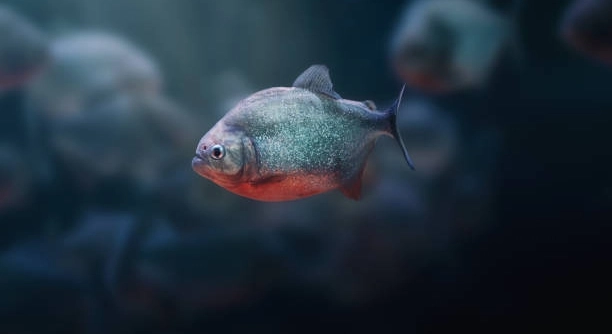
Are your lake visits often disturbed by unexpected splashes and strange underwater movement that seem a little too organized for random fish behavior?
A hidden piranha nest can be identified by observing specific environmental changes, such as increased fish activity, unusual water disturbances, and aggressive territorial behavior from adult piranhas during their breeding season.
These clues can help you recognize when to be cautious, especially if you frequent waters in piranha-prone regions during warmer months.
Unusual Water Patterns May Point to a Nest
When you’re near a riverbank or a calm section of a lake, it’s normal to see the occasional ripple or fish splash. But if you notice a consistent disturbance in one specific area—almost like something is moving beneath the surface in a circle or tight group—that’s worth paying attention to. Piranhas are known to guard their nests closely. During breeding, they choose shallow, warm areas where their eggs can stay safe. The adult fish will swim in patterns around the nest, chasing off anything that comes close. If you’re watching the water and it seems like something invisible is stirring up the surface repeatedly in one spot, this could be a strong clue. It’s not random; it’s controlled. These movements mean something is being protected below. When combined with other signs, like murky water or changes in local fish behavior, the pattern becomes clearer.
These water disturbances usually stay within a small radius, rarely spreading across large areas.
If you’re in an area known for piranhas, noticing water movement like this could mean you’ve come close to a nest. It’s best not to approach. Even small changes in behavior can be a sign that something hidden is nearby. Always keep a safe distance.
Aggressive Fish Behavior Around One Spot
Increased aggression from local fish may indicate nesting behavior.
Piranhas are territorial when protecting their young. If you notice fish behaving oddly—darting at your movements or chasing off other fish—it could be linked to a nearby nest. These actions are not random or typical outside the breeding season. A nest brings out defensive instincts. During this time, even smaller fish that usually avoid conflict might show signs of tension or retreat more quickly. Piranhas will not hesitate to nip or bite when they sense a threat. You might even notice a sudden drop in the presence of other fish near a specific area. This shift in the local balance hints that something is disrupting the usual environment. In many cases, it’s the strong presence of a nesting pair guarding their eggs. While piranhas are not out to hunt humans, they will react if they feel their nest is at risk. This behavior shift is easy to overlook unless you know what to watch for.
Water Turns Murky in a Specific Area
If you notice one patch of water that looks cloudier than the rest, it might be a sign of a piranha nest. The fish stir up sediment while clearing a space or guarding their eggs.
Piranhas choose shallow, warm areas with soft ground for nesting. When they prepare the site, they dig into the sediment with their bodies and mouths, which clouds the water. This process can last for days, depending on the size of the nest and the number of adults involved. If the rest of the water remains clear but one spot seems hazy or full of floating debris, it could be a clue. Sometimes people think it’s just the wind or natural river movement, but when the murkiness stays in one area, especially near vegetation or tree roots, it’s usually caused by something staying in place—and possibly guarding something.
You might also see leaves or plants looking disturbed, as if something has moved them around under the surface. While this can happen from currents, it’s different when a nest is involved. Piranhas will push objects aside to make room for their eggs, and this changes how the riverbed or lake bottom looks. Keep an eye out for repeated signs of activity in the same exact spot.
Sudden Silence from Other Wildlife
In areas with nesting piranhas, you’ll often notice a lack of other animal sounds nearby. Birds and frogs may avoid the area entirely, staying quieter than usual.
Wildlife tends to pick up on changes faster than we do. When piranhas establish a nest, their territorial behavior affects the entire area. Frogs stop croaking. Birds fly to other trees. Even the buzzing of insects might lessen as activity shifts elsewhere. It’s not that animals are afraid of piranhas directly, but they recognize when something in their environment is off. If you’ve been hearing a steady chorus of nature and it suddenly goes quiet near a specific spot, take it as a gentle warning. This change in sound can be one of the earliest signs that something serious—like a nesting area—is nearby. It’s subtle, but once you learn to notice it, it becomes clear. This quiet zone often surrounds the nest like an invisible border.
Presence of Repetitive Circling Fish
If you spot fish swimming in repeated circles over the same area, it’s a strong signal that something beneath them matters. This circling is common when piranhas guard a nest.
These repetitive motions aren’t random. Adult piranhas move in loops to scare off intruders and keep watch over their eggs.
Shallow Area Shows Strange Patterns
Shallow spots are easier for piranhas to guard. If you see odd patterns in the sand, like cleared-out patches or lines around a center point, it may be a nest. These markings can look like scraped circles or trails from repeated fin movement. Piranhas clean the nest area to prepare it, and that action changes the ground’s natural look. Even without seeing the fish, the patterns can suggest activity. The more you study the shallow area, the clearer it becomes that something is using it in an organized way. In quiet water, these changes often stand out, especially early in the day.
Nearby Fish Disappear Quickly
If smaller fish seem to avoid a certain area or vanish as you approach it, that space may be occupied by piranhas guarding a nest. It’s a defensive zone others learn to avoid.
FAQ
How dangerous is it to get close to a piranha nest?
Getting too close to a piranha nest can lead to aggressive behavior from the adult fish. While piranhas don’t usually attack humans without reason, they are very protective during nesting. If they sense a threat, they may bite. Most bites are not fatal, but they can cause pain and injury, especially if the fish attacks in groups. It’s best to stay away from any spot showing signs of nesting activity. Piranhas are only aggressive like this for a short period while guarding eggs or fry.
Can piranhas nest in rivers that people often swim in?
Yes, they can. Piranhas are found in many slow-moving rivers, lakes, and ponds—some of which are common swimming spots. Nesting usually happens in warmer months and in calm, shallow areas. If a section of water has dense plants, muddy ground, and warmer temperatures, it might be ideal for nesting. Swimmers may not even realize a nest is nearby until they notice odd fish behavior. Always observe water activity before entering, especially in regions where piranhas are known to live.
Do piranhas nest in groups or alone?
Piranhas typically nest in pairs. A male and female will work together to find a suitable spot, clean it, and guard the eggs. However, in certain areas where conditions are right, you might find several nests close together. That can make one small area feel very active and possibly dangerous during breeding season. Even though each pair handles its own nest, their collective presence can change the behavior of all fish nearby. It’s not common, but it happens in more crowded or warmer waters.
How can I tell the difference between a regular fish splash and a nest disturbance?
A regular splash tends to be random and quick. It might be caused by a single fish jumping or swimming fast. But a nest disturbance happens in the same area again and again. The movement is more deliberate, like fish circling, darting at objects, or causing ripples in a tight zone. If you see this kind of repeated action—especially along with murky water or a drop in other fish activity—it’s likely a sign of a nest. The difference is all about patterns and location.
What should I do if I think I’ve found a nest while fishing or swimming?
If you notice signs of a piranha nest, slowly back away from the area without splashing. Do not try to poke or disturb the spot. Move toward clearer, deeper water and avoid standing still near the nest. If you’re fishing, change locations. Trying to catch fish close to a nest can make them more aggressive. For swimmers, staying calm and keeping distance is key. Piranhas won’t chase you if you’re not seen as a threat. Give them space, and they’ll usually go back to guarding their eggs.
Do baby piranhas stay in the nest long?
Baby piranhas, or fry, stay near the nest for a short time after hatching. The parents will continue to guard them for several days. During this time, the area remains risky. The adult fish remain alert and aggressive, especially if anything approaches. Once the fry begin to swim away on their own, the nest becomes less active. Still, it’s smart to avoid the area until it’s clear that the fish have moved on. Even a small group of fry can trigger strong behavior from the adults.
Can animals or birds be attacked by nesting piranhas too?
Yes. Small animals that enter the water or walk along the shore near a nest can also trigger a defensive response. Birds wading in shallow areas are sometimes pecked or chased. Some animals quickly learn to avoid these zones during the breeding season. Piranhas aren’t hunting them but will try to drive them off. If you’re with a dog or other pet, don’t let them play near still, shallow water in regions where piranhas live, especially in warm months when nesting is most active.
Final Thoughts
Finding signs of a hidden piranha nest can be a helpful way to stay safe in rivers and lakes where these fish live. Piranhas are not always dangerous, but their behavior changes when they are guarding eggs. They become more alert, more territorial, and more likely to bite anything they see as a threat. That’s why it’s important to recognize the signs early—before you get too close. Murky water, circling fish, sudden silence, and changes in wildlife behavior are all simple but clear clues. These are things anyone can notice, even without any special training or equipment. Just paying attention to your surroundings can help you avoid a dangerous situation.
Nests are usually found in warm, shallow, and calm areas. These are also the same spots people often use for fishing or relaxing near the shore. So, knowing what to look for is useful, especially during warmer months when piranhas are more likely to breed. The water might not look dangerous at first, and piranhas won’t always be visible. But once you notice the signs—like fish avoiding the area, repeated splashes in one spot, or strange underwater patterns—you’ll know it’s best to move away. It’s not about fear, but awareness. Most interactions with nesting piranhas happen because someone gets too close without realizing it.
In the end, piranhas are just doing what many animals do—protecting their young. They don’t want to attack, but they will if they feel the nest is in danger. Keeping a safe distance is the best way to avoid any problems. With a little caution and a better understanding of what nesting behavior looks like, it becomes easier to enjoy the water safely. Whether you’re out for a swim, fishing trip, or just walking along the edge, these clues can help you decide when to stay and when it’s better to step back. Nature gives us warnings—we just have to learn to notice them. By doing so, we respect both our safety and the space that wild animals need to thrive.

Hello,
If you enjoy the content that we create, please consider saying a "Thank You!" by leaving a tip.
Every little bit helps us continue crafting quality advice that supports the health, happiness, and well-being of pets around the world, for pets of all shapes, sizes, and species.
We really appreciate the kindness and support that you show us!