
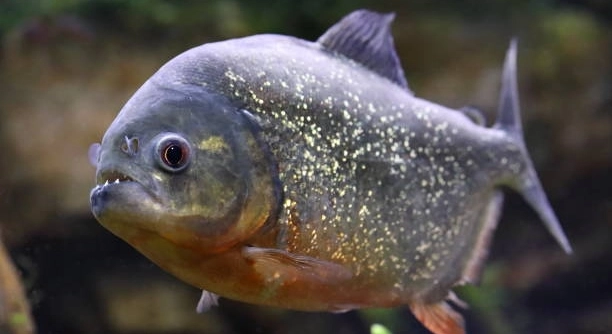
Is your piranha ignoring the meat you drop into its tank, leaving you confused and wondering what went wrong with its diet?
Piranhas may refuse meat due to stress, poor water quality, illness, or an unbalanced diet. Addressing tank conditions, checking for signs of disease, and offering a varied menu can help restore healthy eating behavior.
Understanding the possible causes behind your piranha’s behavior can make feeding time easier and ensure a healthier, more content fish.
Common Reasons Your Piranha Won’t Eat Meat
Piranhas refusing meat is not unusual, and it often comes down to basic tank issues or stress. One of the main causes is poor water quality. If the ammonia or nitrate levels are off, your fish may stop eating altogether. Temperature also plays a role—piranhas prefer warm water, and a cold tank can lead to sluggish behavior and appetite loss. Sometimes, new surroundings or tank mates can also make them anxious. If you recently moved your piranha or changed its environment, it might need some time to adjust before it resumes normal eating habits.
Keep an eye out for signs of illness, like clamped fins or erratic swimming.
Another possible reason is a lack of variety in the diet. Even though piranhas are known for eating meat, feeding them the same thing every day can lead to boredom or nutrient gaps. Try mixing in other proteins like shrimp, worms, or high-protein pellets. Avoid giving only feeder fish, as they may carry diseases. A varied diet will not only encourage your piranha to eat but also support better health overall. Make sure to remove any uneaten food to avoid water contamination, which can further reduce appetite and create a stressful environment inside the tank.
How to Encourage Eating Again
Start by testing your tank’s water.
If your piranha hasn’t been eating, the first thing to check is water quality. Use a reliable water test kit to measure pH, ammonia, nitrite, and nitrate levels. If anything is outside of the safe range, perform partial water changes to correct it. Next, check the water temperature. Piranhas do best in water that is around 75–80°F. A small drop in temperature can reduce their energy levels and appetite. Once the tank is stable, try offering a different type of food. Switch from frozen meat to live insects or even small bits of fish fillet. Feed during quiet times, preferably when the lights are dim. Avoid loud noises or tapping on the glass, as piranhas can be sensitive. Be patient and observe their behavior. If they are swimming normally but still not eating, wait a day or two before offering food again.
What to Avoid When Feeding
Avoid overfeeding or leaving uneaten meat in the tank.
Feeding too much at once can pollute the water, especially if your piranha isn’t eating. Uneaten food quickly breaks down and affects the tank’s balance. This can lead to stress and sickness, making your piranha even less likely to eat. Feed only what can be eaten in a few minutes.
Avoid using feeder fish from unreliable sources. They often carry parasites and diseases that can harm your piranha. If you do use live food, quarantine it first. Also, skip any heavily processed or seasoned meats. Stick with plain, clean options like raw fish or shrimp. Be cautious with sudden diet changes. Instead of swapping food completely, introduce new items slowly alongside the usual meals. That way, your piranha can get used to different textures and flavors without refusing to eat. A stable routine helps prevent stress and keeps them more responsive to feeding.
Avoid rough handling or sudden changes in lighting during feeding. Quick movements can scare your piranha and lead to hiding or freezing behavior. Keep the tank area calm and quiet during feeding times. Loud noises, tapping on the glass, or moving the decorations too often can disrupt their sense of safety. When they feel threatened, they are more likely to ignore food—even if they are hungry. Keeping a peaceful feeding environment will help build trust and make them feel secure enough to eat again.
When to Seek Help
If nothing works, it may be time to contact a vet.
A piranha that refuses to eat for more than a week, despite changes in diet and tank conditions, may be dealing with something more serious. A professional can help rule out internal parasites or infections that are harder to spot.
Some signs that need expert care include unusual swimming patterns, bloating, cloudy eyes, or visible white spots. These symptoms could point to infections or parasites requiring specific treatments. Try to record these changes and bring that information to the vet. It helps them make a faster diagnosis. If there are no visible symptoms but the piranha still won’t eat, a vet can perform tests or suggest a diet plan. While piranhas can go several days without food, extended fasting is not normal when all conditions are right. Don’t wait too long—getting help early may prevent more serious health issues and support a faster recovery.
Try These Feeding Tips
Use feeding tongs to gently offer meat closer to your piranha if it seems shy. This can help it focus and feel more secure during feeding without chasing moving food or competing with tank mates.
Feed at the same time each day. A steady routine helps piranhas feel safe and learn when to expect food. It also helps you notice changes in behavior early, such as delayed response or refusal to eat.
Watch Their Body Language
If your piranha is swimming slowly, hiding more than usual, or staying near the bottom, it might be stressed or feeling unwell. Rapid gill movement, faded colors, or staying in one spot for too long are also signs that something may be wrong. These behaviors often show up before physical symptoms and should not be ignored. Pay attention during feeding, too—if they show interest but don’t bite, it might mean the food isn’t appealing or they’re not feeling safe. Subtle actions like nudging the food without eating can also give clues about what to change in the environment or diet.
Don’t Change Too Much at Once
Making too many changes too quickly can overwhelm your piranha. Adjust one thing at a time, then wait and observe. This helps you know what actually worked.
FAQ
Can piranhas survive without eating meat for a while?
Yes, adult piranhas can go several days or even a week without eating, especially if they are healthy. Their bodies can handle short periods of fasting. However, if they continue refusing food for more than a week, it’s time to check the tank conditions or consult a vet. Juvenile piranhas need to eat more often, so skipping meals for them can be riskier. Always monitor your fish closely if it’s not eating and make changes slowly to avoid stress.
Is it okay to feed my piranha only feeder fish?
Feeding only feeder fish is not recommended. Feeder fish often carry parasites or bacteria that can harm your piranha. They also lack the full nutritional balance your fish needs. If you choose to use them, quarantine the feeders for a couple of weeks and ensure they’re healthy. It’s better to offer a mix of food, including fresh fish fillets, shrimp, and high-protein pellets. This keeps their diet balanced and lowers the risk of disease. Variety also keeps your piranha interested in eating.
How can I tell if my piranha is stressed?
Common signs of stress in piranhas include hiding more than usual, dull coloring, rapid gill movement, and refusal to eat. They might also swim in unusual patterns, stay still in one spot, or avoid other fish. Stress can come from poor water quality, sudden changes in temperature, aggressive tank mates, or even too much light and noise. If your fish is acting differently, test the water and observe for any physical symptoms. Fixing stress early helps prevent more serious health issues.
Can I feed my piranha raw chicken or beef?
Feeding raw chicken or beef is not a good idea. These meats are not natural for piranhas and can be hard for them to digest. They also spoil quickly in water and can foul up the tank. Stick to clean, freshwater or saltwater fish, shrimp, earthworms, or pellets made for carnivorous fish. These options are closer to what piranhas would eat in the wild and are easier on their digestive system.
Why does my piranha spit out its food?
Piranhas sometimes spit out food if they don’t like the texture or taste. It may also mean the food is too big, too hard, or not fresh. Try offering smaller pieces or switching to a different protein source. Spitting can also be a sign of stress or illness. Watch your piranha for other signs, like odd swimming behavior or color changes. If it keeps spitting food over several feedings, try changing the water, adjusting temperature, and offering a more appealing meal like soft fish or worms.
Should I turn off the filter during feeding?
You don’t have to turn off the filter, but in some cases it can help. If the current is strong and blowing food around too much, your piranha may struggle to catch it. Briefly turning off the filter during feeding can make the food easier to grab. Just remember to turn it back on right after. Good water circulation is important for oxygen levels and keeping the tank clean.
Can tank mates affect my piranha’s appetite?
Yes, aggressive or fast-moving tank mates can stress out your piranha, making it less likely to eat. If another fish is chasing or outcompeting it during feeding time, your piranha might avoid the food altogether. Make sure the tank is large enough and offers hiding spots. Avoid keeping piranhas with fish that nip fins or cause stress. A calm, quiet tank helps them feel safe enough to eat regularly. Watching your fish during feeding time can reveal if another fish is causing problems.
Is it okay to skip a feeding day?
Yes, it’s fine to skip feeding once in a while. In fact, it can help reduce waste in the tank and keep your piranha from becoming overweight. Adult piranhas don’t need to eat every single day. If your fish seems healthy and active, skipping one day a week is not harmful. Just be sure not to skip too many days in a row, especially for younger or smaller piranhas that need more consistent nutrition to grow and stay healthy.
How long should I wait before trying a new food?
Wait a full day after a refused meal before offering a new food. This gives your piranha time to rest and get hungry again. Don’t try new foods too often—give each one a few chances before switching. Changing foods too quickly can cause confusion or upset their digestion. Keep meals simple and consistent while making changes gradually. If they won’t eat one protein source, try something softer or smaller in size. Keep notes if it helps you track what works and what doesn’t.
Final Thoughts
Feeding issues with piranhas can feel frustrating, especially when you’ve tried different meats and nothing seems to work. But it’s often something small that needs adjusting, like water temperature, tank conditions, or feeding habits. Many times, the solution isn’t complicated—it just takes a bit of patience and close observation. Piranhas are sensitive fish. They respond strongly to stress, changes in their environment, or even shifts in your routine. If your piranha won’t eat meat, it’s important not to panic. Start by checking the basics like water quality and temperature. These two things can affect appetite more than most people realize.
Once you rule out water and stress-related causes, shift your focus to the food itself. Even though piranhas are known for being meat eaters, they still need some variety in their diet. Feeding the same type of meat every day can lead to boredom or a lack of key nutrients. Try switching between clean fish fillets, shrimp, worms, or high-protein pellets. Avoid offering anything processed, seasoned, or risky like feeder fish that may carry disease. Feed during calm times and give your fish space. A consistent, quiet environment helps your piranha feel safe enough to eat. If it still refuses food, pause, don’t rush, and try again after a short break.
It’s also okay to ask for help if things don’t improve. Some problems go beyond food and water and may need a vet’s opinion. Long-term refusal to eat can sometimes mean illness, parasites, or internal issues that aren’t visible. Keeping a simple log of your piranha’s behavior and what you’ve tried can make it easier to get help if needed. Most feeding issues are temporary and can be fixed with small changes. Don’t make too many adjustments at once—take it one step at a time and give your fish space to respond. The goal is to keep your piranha healthy, calm, and well-fed without creating extra stress for either of you. Staying patient, consistent, and observant will help you find the right solution over time.

Hello,
If you enjoy the content that we create, please consider saying a "Thank You!" by leaving a tip.
Every little bit helps us continue crafting quality advice that supports the health, happiness, and well-being of pets around the world, for pets of all shapes, sizes, and species.
We really appreciate the kindness and support that you show us!