
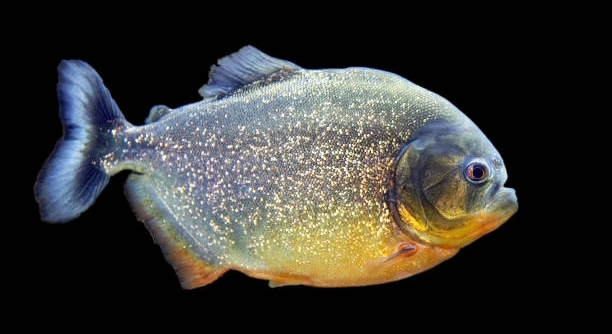
Feeding piranhas can be tricky, especially if you are new to keeping these fish. Many common mistakes confuse piranhas and affect their feeding habits. Understanding these errors helps in providing proper care and a healthy environment.
Feeding fails often arise from incorrect food types, improper feeding schedules, and unsuitable feeding techniques, which can lead to stress and aggression in piranhas. Recognizing and avoiding these mistakes is essential for maintaining their health and well-being.
Knowing the common feeding errors will help you improve your approach and ensure your piranhas thrive in their habitat. This article highlights the key feeding fails to watch out for.
Feeding the Wrong Food
Feeding piranhas the wrong type of food is one of the biggest mistakes. Many people think that piranhas only eat live prey, but they can also eat frozen or prepared foods if given properly. Giving them bread, vegetables, or processed fish food can confuse their natural feeding instincts. Piranhas need a diet high in protein to stay healthy, so feeding them inappropriate food often leads to health problems and less activity. It’s important to research and provide foods that mimic their natural diet, such as small fish, shrimp, or specially made pellets. Over time, they can adapt to frozen or prepared foods, but the switch should be gradual to avoid stress. Avoid sudden changes, and always observe how your piranhas react to new foods to ensure they are eating well. Consistency in diet helps maintain their natural behavior and vitality.
Feeding incorrect food can weaken piranhas, making them more prone to illness and aggression toward tank mates.
When feeding piranhas, always prioritize protein-rich options suited to their carnivorous nature. Gradual transitions from live to frozen or pellet foods can reduce stress. Avoid fillers like bread or vegetables, which don’t meet their nutritional needs. Keeping their diet consistent helps support healthy growth and natural feeding patterns. Monitoring their eating habits allows quick adjustments to prevent problems and keeps them active and healthy in the long term.
Overfeeding and Its Effects
Overfeeding is a common mistake many piranha keepers make. It can lead to poor water quality and health issues for the fish. Piranhas don’t need to eat every day; feeding them every other day or a few times a week is usually enough. When they are fed too much, leftover food sinks and decomposes, causing ammonia and nitrate levels to rise. This harms the fish’s gills and can cause stress or disease. Excess food also encourages obesity and lethargy. It’s better to feed smaller amounts that they can finish quickly. Removing uneaten food after feeding helps maintain clean water. Overfeeding also affects behavior, sometimes causing aggression due to stress or discomfort.
Proper feeding amounts are key to keeping piranhas healthy and their tank clean.
Controlling portion sizes helps avoid water contamination and keeps your piranhas energetic. Observing how much they eat each session prevents leftovers. Using feeding tongs or a controlled method helps in delivering the right amount. Remember, less is more when it comes to feeding these fish. Maintaining a balanced feeding routine supports their natural appetite and reduces unnecessary stress on their environment. Regular water testing is also helpful to ensure water parameters remain safe after feeding.
Feeding at the Wrong Time
Feeding piranhas at inconsistent times can cause confusion and stress. They benefit from a regular feeding schedule to maintain their natural rhythm.
Setting a consistent feeding routine helps piranhas know when to expect food, reducing stress and aggression. Feeding at the same time every day or every other day encourages healthy eating habits. Irregular feeding can make them anxious or overly aggressive, as they may not know when the next meal is coming. This uncertainty can lead to unhealthy behaviors, like constant searching or fighting over food.
A predictable schedule also helps you monitor their appetite and health better. If they suddenly refuse food or act differently, you can identify problems sooner. Stick to a routine and avoid feeding late at night or very early in the morning when piranhas are less active. Consistency creates a calm environment and improves their overall well-being.
Feeding Without Monitoring
Not watching your piranhas while feeding can lead to problems. Uneaten food may go unnoticed, causing water quality to drop.
When feeding, observe how much food is eaten and how the fish behave. This helps prevent overfeeding and identifies any fish that may not be eating well. Some piranhas might be shy or bullied during feeding, which can affect their health. Feeding time is also a chance to check for signs of illness or injury.
Failing to monitor feeding means leftover food can decay, polluting the water and harming fish. It also misses chances to notice aggression or stress during feeding. Keeping an eye on your piranhas during meals helps maintain a healthy tank and ensures all fish get their share of food. Regular monitoring makes it easier to adjust feeding habits and improve their care.
Feeding Too Quickly
Feeding piranhas too fast can cause them to choke or swallow air, which may lead to health issues.
Taking time during feeding helps ensure they eat properly and reduces the risk of accidents. Slow, careful feeding supports their digestion and well-being.
Feeding in a Crowded Tank
When the tank is overcrowded, feeding becomes stressful for piranhas. Competition for food can increase aggression and cause weaker fish to miss meals.
Overcrowding disrupts natural feeding behavior and can lead to injury or poor nutrition. Providing enough space reduces conflicts and promotes healthy feeding habits.
Ignoring Feeding Behavior
Not paying attention to how piranhas eat can hide problems early on. Observing feeding helps spot illness or aggression quickly.
How often should I feed my piranhas?
Feeding piranhas two to three times a week is usually enough. They don’t need daily meals like some other fish. Overfeeding can cause water problems and health issues. It’s better to give smaller, well-spaced meals to keep them healthy and avoid stress.
What types of food are best for piranhas?
Piranhas need protein-rich food. Small fish, shrimp, and specially made carnivorous pellets work well. You can also feed them frozen foods, but avoid bread, vegetables, or processed human food. These don’t provide the nutrition piranhas need and can harm them over time.
Can I feed live food to piranhas?
Live food is natural and stimulates hunting behavior, but it’s not always necessary. If you choose live food, make sure it’s healthy and free from diseases. Frozen or prepared foods are safer and easier to manage for most piranha owners.
What should I do if my piranha refuses to eat?
If a piranha refuses food, check water quality and temperature first. Stress or illness often causes loss of appetite. Try offering different types of food or feed at a different time. If refusal continues, consider consulting a vet or fish expert.
Is it okay to feed piranhas every day?
Daily feeding can lead to overfeeding and poor water conditions. Piranhas naturally eat less frequently, so feeding every other day or a few times a week is better. This reduces waste and keeps them healthier.
How much food should I give at one time?
Feed only what your piranhas can finish in a few minutes. Too much leftover food pollutes the tank and may cause illness. Observing their eating speed helps you find the right amount to avoid waste.
Can feeding mistakes cause aggression in piranhas?
Yes, feeding errors like overfeeding, irregular timing, or crowding can increase aggression. Stress from poor feeding conditions can make piranhas fight or behave aggressively. Keeping a consistent, calm feeding routine reduces these issues.
Is it important to remove uneaten food?
Removing uneaten food is crucial to maintain water quality. Leftover food decomposes and releases harmful chemicals like ammonia. This harms fish health and can cause disease. Clean feeding routines improve tank conditions and piranha well-being.
Can piranhas eat frozen foods only?
Yes, piranhas can adapt to frozen foods if introduced slowly. Frozen shrimp, fish, and pellets provide good nutrition and are easier to store and handle. Make sure to thaw frozen food properly before feeding to avoid stomach issues.
What signs show my piranhas are fed properly?
Healthy piranhas are active, alert, and show normal colors. They eagerly eat food but don’t overeat. Their behavior is calm during feeding, without signs of aggression or stress. Clear water and good tank conditions also indicate proper feeding care.
How do I switch my piranha from live to prepared food?
Make the change gradually by mixing live food with prepared options over several days or weeks. This helps reduce stress and encourages piranhas to accept new food. Watch their response and adjust the mix until they fully adapt to prepared food.
Can feeding piranhas human food harm them?
Human food often lacks the right nutrients and may contain harmful ingredients or preservatives. Avoid feeding piranhas leftovers, bread, or processed snacks. Stick to fish-appropriate foods to keep them healthy and avoid digestive problems.
What is the best way to feed piranhas in a community tank?
In community tanks, make sure each piranha gets enough food without competition. Feed in multiple spots or use feeding tools to deliver food directly. Monitor fish behavior closely to prevent bullying and ensure all fish eat well.
How can I tell if my piranha is overfed?
Signs of overfeeding include leftover food, cloudy water, and sluggish or bloated fish. Overfed piranhas may also become less active and show difficulty swimming. Adjust feeding amounts and clean the tank regularly to prevent these issues.
Does feeding at night affect piranhas?
Feeding piranhas at night can disrupt their natural activity cycle. They are more active during the day, so feeding during daylight hours supports normal behavior. Avoid feeding too late to reduce stress and improve digestion.
Feeding piranhas correctly is very important to keep them healthy and active. These fish need a diet rich in protein, so giving them the right kind of food helps them grow strong. Avoid feeding them foods that do not match their natural diet, such as bread or vegetables. Sticking to protein-based foods like small fish, shrimp, or specially made pellets is the best way to meet their needs. Over time, piranhas can also get used to frozen or prepared foods if the change is made slowly and carefully. Paying attention to what you feed and how much will help prevent many common problems with their health and behavior.
Keeping a regular feeding schedule is also key to making piranhas comfortable in their environment. Feeding them at the same time every day or every other day creates a routine they can rely on. Irregular feeding can cause stress and confusion, which may lead to aggression or poor eating habits. Feeding smaller amounts that the fish can finish quickly helps prevent leftover food from polluting the water. It also makes it easier to watch your piranhas and notice if any of them stop eating or act differently. This way, you can catch problems early and take action before they become serious.
Watching your piranhas during feeding times is just as important as feeding them the right food and on time. When you pay attention, you can make sure all the fish get their share and no food is wasted. Uneaten food can quickly dirty the tank, making the water harmful for the fish. Watching also helps you see if there is any fighting or unusual behavior among the piranhas. If you notice any signs of illness or stress, you can adjust the feeding or tank conditions to help your fish feel better. Overall, good feeding habits and careful observation lead to a happier, healthier piranha tank.

Hello,
If you enjoy the content that we create, please consider saying a "Thank You!" by leaving a tip.
Every little bit helps us continue crafting quality advice that supports the health, happiness, and well-being of pets around the world, for pets of all shapes, sizes, and species.
We really appreciate the kindness and support that you show us!