
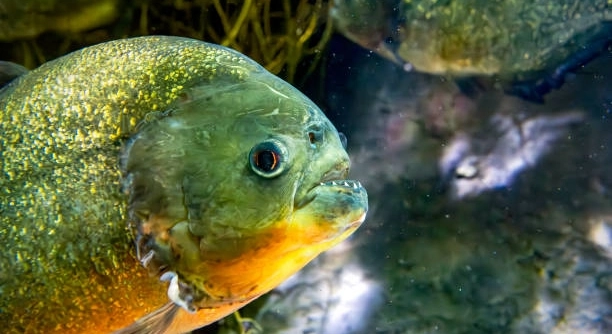
Piranhas are often seen as fierce fish, but they also use subtle behaviors to interact with their surroundings. These fish carefully test their environment to stay safe and find food. Understanding these actions helps reveal more about their nature.
Piranhas use small movements, water vibrations, and gentle bites to assess their surroundings. These subtle tests help them detect threats, locate food, and communicate with others, ensuring they adapt effectively to changes in their environment.
Learning about these quiet behaviors shows a different side of piranhas. It highlights how they survive and thrive in their habitats beyond just their fierce reputation.
Gentle Nibbling: Feeling Out Their Space
Piranhas often use light nibbling to test objects or creatures around them. This behavior helps them learn about texture, strength, and possible threats without fully committing to an attack. By gently biting, they gather important information on what they are dealing with. This cautious approach helps them avoid unnecessary risks. When exploring unfamiliar territory or encountering new animals, these small bites act as early warning signals. The piranha can decide whether to stay, flee, or prepare to defend itself. This subtle way of probing is common in groups, where one fish’s test can inform others nearby. This behavior is crucial in their fast-changing habitats where water levels and food sources fluctuate. It shows how piranhas balance aggression with careful observation to survive.
Nibbling like this also helps piranhas communicate safety or danger to others. It’s a quiet, effective way to share information.
Understanding nibbling behavior helps explain how piranhas stay aware of their environment and maintain group safety without wasting energy on false alarms.
Sensing Vibrations in the Water
Piranhas rely heavily on their ability to sense vibrations through the water to understand their environment. This sense lets them detect movements of prey or predators nearby even when visibility is low. Water carries these signals well, making vibration sensing a key survival tool. The lateral line system along their sides picks up small changes in water pressure caused by nearby creatures. This system allows them to react quickly, whether to catch food or avoid danger. By sensing the strength and direction of vibrations, piranhas can make informed decisions about when to approach or retreat. This skill is especially useful in murky waters where sight is limited. It helps them navigate complex underwater spaces with confidence.
Using vibration detection, piranhas can adapt to different conditions and improve their chances of thriving. This subtle sense plays a crucial role in their daily behavior and safety. It also aids in group coordination, allowing them to respond collectively to environmental changes or threats. This ability enhances their efficiency as predators and their ability to avoid harm. Overall, vibration sensing is a vital, often unnoticed part of how piranhas interact with the waters around them.
Watching Movement Closely
Piranhas observe even the smallest movements around them. This helps them spot potential prey or threats quickly. Their sharp eyesight plays a key role in staying alert.
This keen observation allows piranhas to react instantly when something changes in their environment. Whether it’s a shadow moving nearby or ripples on the water’s surface, they notice it. This ability is important in murky waters where details can be hard to see. By focusing on movement, piranhas can identify food sources or avoid danger before it gets too close. It’s a simple but effective way to stay aware and protect themselves.
When piranhas spot something unusual, they may swim closer or move away cautiously. This behavior balances their curiosity with caution. Watching movement carefully helps them survive in their unpredictable habitats.
Testing Water Chemistry
Piranhas use their sense of taste and smell to check water quality. This helps them find safe areas and suitable food sources. Changes in water chemistry can indicate danger or new opportunities.
These fish rely on chemical cues in the water to understand their surroundings better. They can detect shifts in acidity, oxygen levels, or the presence of toxins. If water conditions worsen, piranhas may move to healthier areas. This testing also helps them locate food by sensing chemical traces left by prey. By constantly monitoring water chemistry, piranhas adjust their behavior and habitat choices. It’s an essential part of their survival strategy that often goes unnoticed but plays a major role in their daily lives.
Testing Water Temperature
Piranhas are sensitive to changes in water temperature. They often move to warmer or cooler areas to stay comfortable and healthy.
Temperature affects their metabolism and activity levels. Staying in the right temperature range helps them conserve energy and remain alert to threats or food.
Using Fin Movements to Sense Surroundings
Piranhas use small fin movements to feel water currents and detect nearby objects. This subtle motion helps them gather information about their environment without relying solely on sight or vibration.
These movements allow piranhas to better understand water flow patterns. They can detect obstacles, changes in depth, or the presence of other creatures nearby. This skill supports navigation and safety, especially in dark or crowded waters.
Observing Group Behavior
Piranhas pay attention to how others in their group react. This collective observation helps them respond quickly to dangers or food opportunities. It’s a simple way to stay safe and connected in their social environment.
How do piranhas use subtle behaviors to test their environment?
Piranhas rely on small, quiet actions like gentle nibbling, sensing vibrations, and watching movement closely. These behaviors help them gather information about their surroundings without drawing too much attention. They use these tests to decide if an area is safe, if food is nearby, or if a threat is present. This cautious approach helps them avoid danger and conserve energy for when it really matters. These subtle behaviors work together to give piranhas a clear sense of what’s happening around them, even in murky or crowded waters.
Why do piranhas nibble instead of biting hard right away?
Nibbling allows piranhas to explore something without committing to a full attack. This helps them feel out the texture, strength, and safety of whatever they encounter. A hard bite could waste energy or provoke a larger threat unnecessarily. Gentle nibbling acts like a test, giving piranhas time to decide if they should retreat, attack, or stay nearby. This behavior is especially common when they meet new animals or explore unfamiliar parts of their habitat.
How important is sensing vibrations for piranhas?
Sensing vibrations is vital for piranhas because it helps them detect nearby movements in the water. Their lateral line system picks up changes in pressure caused by prey, predators, or other fish. This sense works well even when visibility is low, such as in muddy or dark water. Vibrations alert piranhas to danger or opportunities for food before they can see them. It allows quick and informed reactions, increasing their chances of survival.
What role does water chemistry play in piranhas’ behavior?
Piranhas use taste and smell to monitor water quality. Changes in water chemistry, like shifts in oxygen levels or acidity, can signal danger or new feeding chances. If the water becomes unsafe, piranhas may move to better areas. This helps them avoid harmful environments and find healthier spots. Water chemistry sensing also aids in locating food by detecting chemical trails left by other animals. This constant checking helps piranhas adapt to changing conditions around them.
Do piranhas react to temperature changes?
Yes, piranhas are sensitive to water temperature and often move to stay within a comfortable range. Temperature affects their metabolism and how active they are. If the water is too cold or too warm, their body functions slow down or become stressed. By shifting to areas with better temperatures, they conserve energy and maintain alertness. This behavior helps them survive and stay ready to respond to threats or catch prey.
How do fin movements help piranhas understand their surroundings?
Small fin movements let piranhas sense water currents and nearby objects. These subtle motions help them feel changes in water flow, which provides clues about obstacles, other creatures, or shifts in depth. This sensory information works alongside their eyesight and vibration detection, improving navigation and safety. Fin movements are especially useful in dark or crowded waters where other senses may be limited.
Why do piranhas watch group behavior?
Piranhas pay close attention to how others in their group act because this helps them react quickly to danger or food. If one fish senses a threat, others notice and respond by hiding or attacking. This shared awareness increases safety for the whole group. Watching each other’s behavior also helps maintain social order and coordination while hunting or moving through their environment. Group observation is a simple but effective survival strategy.
Can piranhas learn from their environment over time?
Yes, piranhas adapt their behavior based on what they learn from repeated tests of their surroundings. If they encounter safe food sources or avoid threats successfully, they remember those patterns. This learning helps them make better decisions in the future. Piranhas are more than just instinct-driven; they show an ability to adjust their actions to improve survival chances in a changing habitat.
How do these subtle tests affect piranhas’ reputation?
People often think of piranhas as only aggressive and dangerous, but these subtle testing behaviors show a more cautious, thoughtful side. Instead of attacking without reason, piranhas carefully assess situations before acting. This cautious nature helps them avoid unnecessary fights and conserve energy. Understanding these behaviors gives a fuller picture of their survival tactics beyond their fearsome image.
Are these environmental tests common in other fish?
Many fish use similar subtle behaviors like vibration sensing, gentle nibbling, and watching movement. However, piranhas combine these tests with their unique social responses and sharp senses, making their environment testing especially effective. These shared strategies show how fish generally survive in complex aquatic ecosystems by staying aware and adapting quickly.
Piranhas are often seen as fierce and aggressive fish, but they have many subtle ways of testing their environment that help them survive. These small behaviors, like gentle nibbling and sensing vibrations, allow them to gather important information without putting themselves at risk. By carefully exploring their surroundings, piranhas can decide whether an area is safe or dangerous. This cautious approach helps them avoid unnecessary fights and conserve energy. Understanding these behaviors shows that piranhas are more than just aggressive predators—they are also careful and observant creatures.
Their ability to sense changes in water chemistry, temperature, and movement helps piranhas adapt to different conditions. These tests let them find good places to live and hunt while avoiding harmful environments. For example, by tasting the water or moving to warmer spots, piranhas keep themselves healthy and active. They also watch how other fish in their group react, using social cues to stay safe. This combination of senses and social behavior helps piranhas stay alert and ready for anything. These survival skills work quietly but effectively in their daily lives.
Overall, the subtle ways piranhas test their environment show a balance between caution and action. They use gentle nibbling, vibration sensing, temperature checks, and group observation to make smart decisions. These behaviors are key to their survival in the wild. Recognizing this side of piranhas gives a better understanding of how they live and thrive in their habitats. It also reminds us that even the most feared animals have thoughtful ways to interact with their surroundings.

Hello,
If you enjoy the content that we create, please consider saying a "Thank You!" by leaving a tip.
Every little bit helps us continue crafting quality advice that supports the health, happiness, and well-being of pets around the world, for pets of all shapes, sizes, and species.
We really appreciate the kindness and support that you show us!