
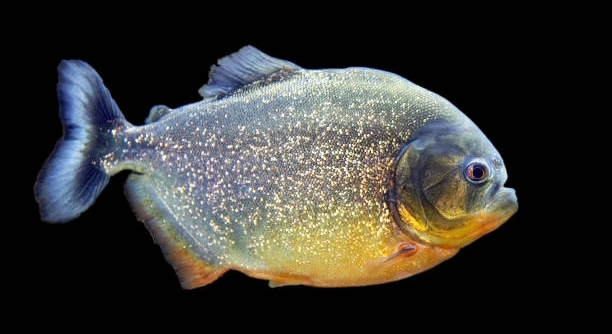
Piranhas are often seen as fierce and chaotic fish, but their group behaviors can be quite complex and surprising. These schools show patterns that go beyond simple feeding frenzies. Understanding their actions reveals a world of unusual interactions.
Piranha schools exhibit several unusual group behaviors, such as synchronized swimming, collective hunting strategies, protective formations, and social hierarchy dynamics. These behaviors enhance their survival and efficiency, demonstrating advanced coordination and communication within the group.
Exploring these behaviors uncovers how piranhas cooperate in ways that challenge common assumptions about their nature. This article highlights seven distinct patterns that make their group life fascinating.
Synchronized Swimming in Piranha Schools
Piranhas often move together in tight, synchronized groups that look like a well-rehearsed dance. This coordinated swimming helps them avoid predators by confusing threats with their fast, collective movements. When the school shifts direction as one, it creates an almost seamless flow. This behavior is more than just survival—it’s a way to communicate silently and efficiently among the group. The smooth movement reduces energy use, allowing the fish to conserve strength for hunting or escaping danger. Even though piranhas have a fierce reputation, their synchronized swimming shows a more delicate side of their group life. The precision with which they move suggests that individual fish respond instantly to their neighbors’ actions, creating a unified force. This kind of cooperation is rare in the fish world and highlights the intelligence within piranha schools.
Synchronized swimming helps piranhas stay safer by moving as one strong unit. This behavior is crucial for their survival.
This impressive group movement also plays a key role during feeding times. By swimming in a coordinated way, piranhas can surround prey more effectively, cutting off escape routes. The swimming patterns create a barrier, forcing prey into the center of the group. This technique increases their chances of catching food quickly and efficiently. Additionally, synchronized swimming reduces the risk of injury from competing with each other while hunting. Each fish knows its position, which prevents clashes and helps maintain order. This natural teamwork supports the school’s overall health and stability.
Protective Formations During Threats
When danger approaches, piranha schools form tight protective groups. This behavior shields the more vulnerable members.
In response to predators, piranhas arrange themselves in dense, circular formations. This defensive tactic makes it hard for attackers to single out an individual. The school’s shape shifts constantly, adapting to the threat’s movements. This fluid defense confuses predators and provides the group with extra time to escape or fight back. By sticking close together, the piranhas increase their chances of survival, relying on strength in numbers. The protective formation also reassures weaker fish, allowing the school to stay united during moments of risk. This behavior reveals a high level of social organization within the group.
These formations are not random; they rely on quick communication and precise movement. When one piranha senses danger, the whole school reacts instantly. This rapid response is possible due to sensitive lateral lines along their bodies, which detect vibrations in the water. As a result, the group maintains its shape even in chaotic situations. Understanding these formations gives insight into how piranhas balance aggression with caution, showing a complex social structure focused on survival.
Collective Hunting Strategies
Piranha schools use smart group hunting tactics to improve their catch rates. They coordinate attacks to trap prey, making it hard for the victim to escape.
During a hunt, piranhas spread out to form a semi-circle or surround their target completely. Each fish moves with purpose, cutting off escape routes while others close in. This teamwork allows the group to work more efficiently than individual hunters. By striking together, they can quickly overpower larger or faster prey. The strategy reduces energy spent chasing food and increases success. Collective hunting also helps maintain order in the group, preventing chaos during feeding.
The communication during hunting is subtle but effective. Piranhas use quick movements and body language to signal the right moment to attack. This method shows a surprising level of coordination for such aggressive fish, highlighting how their group behavior enhances their survival chances.
Social Hierarchy Dynamics
Within piranha schools, social ranking influences access to food and mates. Dominant fish often get priority while others wait their turn.
Hierarchy forms through displays of strength and occasional skirmishes. The strongest piranhas secure better positions in the school, where food is more accessible. Subordinate fish tend to stay on the edges, where danger is greater. This structure reduces constant fighting by establishing clear roles and limits. Dominant individuals also lead movements during feeding or escaping threats. The social order keeps the group stable, balancing competition and cooperation.
Hierarchies in piranha schools are fluid, changing as fish grow or leave. This dynamic system helps the group adapt to new challenges and maintain overall health. It’s a practical way to manage resources and reduce conflict, allowing piranhas to thrive together in their environment.
Communication Through Body Language
Piranhas rely heavily on body language to send messages within their schools. Fin position, swimming speed, and sudden movements all convey important signals.
This nonverbal communication helps maintain order during feeding and alerts the group to danger quickly. It allows the school to function smoothly without confusion.
Rapid Response to Environmental Changes
Piranha schools quickly adapt to shifts in water temperature, oxygen levels, and light. These rapid responses ensure their survival in changing conditions.
They can move to safer or more favorable areas almost instantly, showing impressive environmental awareness. This ability helps maintain the health of the entire group.
Role of Individual Fish in the Group
Some piranhas take on specific roles such as scouts or leaders during hunts and movement. These roles are flexible and can change as needed.
The group depends on these roles to stay organized and efficient. Each fish contributes to the school’s success.
FAQ
What causes piranhas to swim in synchronized groups?
Synchronized swimming helps piranhas confuse predators and move efficiently. By coordinating their movements, the school acts like a single, large organism. This reduces the chance of any one fish being caught and conserves energy, which is important for survival and hunting.
How do piranhas communicate within their schools?
Piranhas use subtle body language, including fin movements, changes in speed, and sudden turns, to send messages. These signals help coordinate group actions such as hunting, escaping threats, and maintaining social order without the need for loud or disruptive sounds.
Why do piranhas form protective formations?
Protective formations make it difficult for predators to target individual fish. By grouping tightly and constantly adjusting their shape, piranhas increase their chances of survival. This behavior also reassures weaker members of the group and keeps the school united during danger.
What is the purpose of social hierarchy in piranha schools?
Social hierarchy reduces conflict by establishing clear roles within the group. Dominant piranhas get priority access to food and mates, while others stay on the edges. This order keeps the group stable, balancing competition and cooperation to benefit the entire school.
Do individual piranhas have specific roles?
Yes, some piranhas take on roles like scouts or leaders during hunts or group movements. These roles are flexible and can change depending on the situation. Having assigned roles helps the group stay organized and improves hunting success.
How do piranha schools react to environmental changes?
Piranha schools respond quickly to changes like shifts in water temperature, oxygen, or light levels. They can relocate swiftly to safer or more comfortable areas, which helps maintain the group’s health and survival chances in varying conditions.
Are piranhas always aggressive when in schools?
While piranhas are known for their aggression, their behavior within schools is often more controlled. Group living requires cooperation and communication, so outright aggression is limited to maintain social order and improve hunting efficiency.
How do piranhas hunt collectively?
Piranhas use coordinated strategies to surround and trap prey. By working together, they block escape routes and strike simultaneously, increasing the chances of a successful hunt. This collective approach is more effective than individual efforts.
Can piranha schools change their social structure?
Yes, social hierarchies in piranha schools are flexible. As fish grow or leave, ranks shift to accommodate new members and maintain balance. This adaptability helps the school manage resources and reduce conflicts over time.
What advantages do piranhas gain from group living?
Living in schools provides safety from predators, increases hunting success, and allows for efficient communication and resource sharing. Group behavior also supports the health and survival of weaker members, making the entire school stronger together.
Final Thoughts
Piranha schools display a range of unusual behaviors that go beyond what many people expect. Their ability to work together in hunting, communicate through body language, and maintain a social hierarchy shows a surprising level of organization. These group behaviors help them survive in often challenging environments. Instead of being just aggressive fish acting alone, they function as a coordinated team, making their chances of finding food and avoiding danger much higher. This teamwork is essential to their success and offers insight into how even seemingly simple creatures use complex strategies to live and thrive.
Understanding these behaviors helps to see piranhas in a different light. They are not just fierce predators but animals with social systems that support cooperation. Their quick reactions to environmental changes and the roles individual fish take on within the group show that piranhas are adaptable and intelligent. This flexibility is key to their survival in rivers and lakes where conditions can change quickly. Observing their group actions gives a clearer picture of how they protect themselves and ensure the school continues to grow and function well.
Looking closely at piranha schools reminds us that nature often has layers of complexity beneath the surface. These fish demonstrate that survival depends on more than just strength or aggression; it involves teamwork, communication, and organization. The unusual behaviors seen in piranha schools highlight how animals evolve strategies that fit their needs and environment. Recognizing this helps appreciate the balance and dynamics of aquatic life, and why piranhas remain a fascinating subject for study and observation.

Hello,
If you enjoy the content that we create, please consider saying a "Thank You!" by leaving a tip.
Every little bit helps us continue crafting quality advice that supports the health, happiness, and well-being of pets around the world, for pets of all shapes, sizes, and species.
We really appreciate the kindness and support that you show us!