
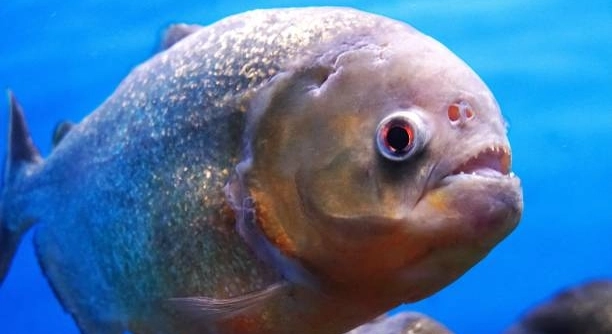
Have you ever wondered what triggers a frenzy among piranhas, turning a calm group into a fast-moving, biting swarm? These freshwater fish are known for their sharp teeth and quick reactions in certain conditions.
Piranhas swarm primarily due to environmental triggers such as the presence of blood, sudden movement in the water, or extreme hunger. These factors stimulate their natural feeding instincts, which can lead to rapid group behavior and aggressive biting.
Understanding what drives these fish to act this way can help explain their behavior and how they respond to different situations in the wild.
Sudden Movements Can Trigger a Feeding Response
When something moves quickly in the water, piranhas often respond with speed and aggression. This behavior is tied to their survival instincts. In the wild, fast movement often signals a wounded animal, which makes an easy meal. Even in groups, piranhas react instantly when one fish lunges, setting off a chain reaction that looks like a swarm. This is more common in shallow or restricted waters where fish feel more threatened. In captivity, this same reaction can be triggered by a hand or tool entering the tank too fast. It’s not that piranhas are always aggressive, but when they sense potential food—or a threat—they act fast to protect themselves or eat first. Their sharp teeth and fast bites make them seem dangerous, but it’s more about instinct than malice.
This kind of behavior shows how movement affects their natural patterns, especially when they feel vulnerable or excited by potential food.
If you’re near their habitat, it’s best to move slowly and avoid splashing. Sudden movement often acts like a signal, and piranhas respond quickly and in groups. It’s one of their basic instincts and plays a big role in their swarm behavior.
Blood in the Water Sparks Intense Reactions
The scent of blood is one of the strongest triggers for a swarm.
Piranhas have a sharp sense of smell, especially when it comes to blood. Just a small trace can alert the group and create excitement. This is because in their natural environment, blood usually means wounded prey. When one fish bites and blood is released, others follow fast. It’s not just about feeding—it’s about survival. If one fish starts, the rest want their share before it’s gone. This reaction can happen quickly and aggressively. In rivers, this behavior plays a part in cleaning up weak or injured animals. In tanks or controlled environments, even fish food that smells like blood can create similar results. The intensity of their reaction shows how their instincts are tuned to survival. Watching them during feeding times reveals how fast and focused their behavior becomes when they detect the scent of blood.
Low Water Levels Increase Aggression
When water levels drop, piranhas become more aggressive. Shallow conditions make them feel trapped and more protective of their space. This stress can lead to quicker and more intense group reactions, especially when food or threats are present.
Low water doesn’t just reduce space—it affects oxygen levels and increases competition for food. Piranhas, like many fish, are sensitive to changes in their environment. When they feel crowded, they’re more likely to act defensively or aggressively. This is often mistaken for random violence, but it’s really a reaction to stress and survival needs. Swarming happens faster because any potential food must be claimed quickly. In the wild, the dry season brings natural drops in river levels, which is when this behavior is most noticeable. Understanding this helps explain why piranhas seem more dangerous in smaller or drying ponds. It’s not personal—it’s just their way of coping.
Watching piranhas in low-water conditions shows a shift in their behavior. They’re more alert, quicker to react, and less tolerant of movement nearby. These reactions are all tied to the added pressure they feel when their environment shrinks. Food becomes scarce, and space becomes valuable. Their natural instincts sharpen, and they’re more likely to swarm at the slightest disturbance.
Hunger Makes the Group Reactive
Hunger makes piranhas more alert, more focused, and quicker to swarm. A well-fed group is usually calmer and slower to react, while hungry fish are constantly scanning for signs of food and respond without hesitation.
In the wild, meals aren’t predictable. Piranhas may go for days without a real feeding opportunity. When food finally appears, there’s no time for hesitation—they act fast to secure their portion. This urgency is stronger in groups. One piranha’s excitement spreads quickly, and the rest follow. Hunger creates a shared intensity, and even small movements can be seen as a signal. In tanks, skipped feedings or low rations bring out the same result. Their instincts push them to take action, and that often means swarming. This isn’t about aggression toward each other or people—it’s just how they survive. Their group response is strong, fast, and efficient, especially when food is limited and hunger is high.
Splashing Sounds Set Off Group Action
Splashing noises can mimic the sound of struggling prey. Piranhas are wired to notice these disturbances quickly. When water is disturbed suddenly, it draws their attention and often leads to fast, collective movement toward the source.
This response is tied to their feeding habits in the wild. Struggling prey makes noise, and piranhas associate that with opportunity. Even in calm conditions, one splash is often enough to trigger an intense group response.
Wounded Prey Triggers Feeding Instinct
A single wounded fish in the water can cause an instant change in behavior. Piranhas respond fast to signs of weakness, especially if there’s blood or erratic movement involved. One bite often sets off the whole group. It’s not about aggression but opportunity. These fish have evolved to feed efficiently, and that means working together quickly when a target can’t escape. In nature, this plays a role in controlling populations of weak or injured animals. In tanks, even an injured tank mate can cause the rest to swarm. Their response is based on instinct—they react fast and bite without hesitation when they sense something is vulnerable.
Feeding Time Conditions Train Their Reactions
When food is given the same way each day, piranhas learn to expect it. Repeated patterns teach them to react quickly.
Do piranhas always swarm when they see food?
Not always. Piranhas usually swarm when they’re excited, stressed, or feel competition. If they’re well-fed and calm, they may eat more slowly or ignore food altogether. But when they sense urgency—like limited food, splashing, or blood—they react fast as a group. Swarming becomes more likely when multiple factors combine. Hunger, noise, movement, or the presence of injured prey can all contribute to this reaction. In tanks, owners might see swarming right at feeding time because the fish have learned what the food signals mean. It’s not constant behavior but rather a reaction to a specific set of triggers.
Can piranhas be kept with other fish safely?
It depends on the species of piranha and the setup. Red-bellied piranhas, the most common type in home tanks, are known for group behavior and fast reactions. Keeping them with slower or smaller fish is usually risky. Even peaceful piranhas may nip at tank mates out of curiosity or stress. Some people have success keeping them with fast-moving, tough fish, but it’s always a gamble. They are best kept in species-only tanks to reduce the risk of injuries. Even then, enough space and proper feeding schedules are key to limiting aggressive behavior among the group.
Do piranhas swarm humans in the wild?
It’s extremely rare. While stories often exaggerate their danger, piranhas don’t usually attack humans without cause. Most wild piranhas avoid contact and will swim away. The few attacks that do happen tend to involve unusual situations—like low water, high stress, or splashing in areas with high fish concentration. Even then, bites are usually small and not fatal. Swarming a person is not normal behavior. Piranhas swarm prey when it’s small, injured, or clearly edible. A person is not on their menu under normal conditions. Most people who swim in piranha-inhabited rivers never see one up close.
What makes piranhas swarm faster in captivity?
In tanks, piranhas often get used to feeding patterns. The sound of a lid opening or food hitting the water trains them to associate those actions with eating. That predictability makes their responses faster. Limited space can also amplify tension. If one fish reacts strongly, the rest often follow—especially if they’re used to being fed at the same time. Tanks also lack escape options, so even mild stressors can lead to quick group movements. Overcrowding, inconsistent feeding, or loud noises can increase the chance of swarming. Keeping things calm and regular helps prevent overreaction.
Is blood the biggest trigger for piranha swarming?
Blood is a strong signal, but not the only one. Piranhas use a mix of senses when hunting or reacting. Blood in the water alerts them quickly, especially in combination with movement or injury. But splashing, sudden shifts in water flow, and even changes in temperature can also set them off. In fact, sometimes the smell of blood alone won’t trigger a group unless it’s paired with movement. That’s why swarming is more about context than one single factor. They respond to patterns and signs that point to vulnerable prey, not just blood itself.
How many piranhas does it take to start a swarm?
It usually takes just one to trigger a response. If one fish bites or rushes toward something, the others often follow. Piranhas are social fish, and group behavior plays a big role in how they survive. One reaction can create a ripple effect—especially if the group is hungry or alert. In larger groups, this chain reaction spreads faster. In smaller groups, responses may be less dramatic, but it still happens. It’s not about the number but the behavior of the group and what signals they’re picking up from each other.
Are all piranha species known to swarm?
Not all piranhas behave the same way. Red-bellied piranhas are the most famous for swarming, but other species like black piranhas are more solitary and less likely to act in groups. Each species has its own personality and typical behavior. Some are more aggressive, others more shy. Group-based species are more likely to swarm because of their pack instincts. Solitary piranhas are more likely to defend territory or ignore things outside their area. Understanding the type of piranha you’re dealing with can help explain what triggers its behavior and how likely it is to swarm.
Final Thoughts
Piranhas are often misunderstood. They’re not the aggressive, out-of-control biters that movies make them out to be. In truth, their behavior is based on instinct, environment, and need. Swarming is not something they do constantly or without reason. It’s a response to food, competition, or sudden movement in the water. When they do swarm, it’s usually fast and controlled, not random or violent. Most species prefer to stay away from larger threats, including people. In their natural environment, they’re just doing what helps them survive. This includes using group behavior to their advantage when hunting or protecting themselves.
If you’re keeping piranhas in a tank, it’s important to give them the space and setup they need to feel secure. Overcrowding, poor water conditions, or irregular feeding can all lead to increased stress and more aggressive behavior. That’s when swarming becomes more common. A peaceful group of piranhas is often a sign that their needs are being met. Watching them react during feeding time can be fascinating, but it’s also a reminder of how much influence you have over their behavior. By managing their environment carefully, you can enjoy their natural habits without causing panic or aggression in the tank.
Whether you’re curious about piranhas in the wild or caring for them in captivity, knowing what drives their swarming behavior helps you understand them better. It’s not about fear or attack—it’s about survival, alertness, and communication. They react to signals in their surroundings, and those reactions can be fast and powerful. But most of the time, piranhas are calm and focused. When their basic needs are met and their space is respected, they live peacefully—even in groups. So while the idea of swarming may sound dramatic, in reality, it’s just one part of a complex and surprisingly calm fish behavior.

Hello,
If you enjoy the content that we create, please consider saying a "Thank You!" by leaving a tip.
Every little bit helps us continue crafting quality advice that supports the health, happiness, and well-being of pets around the world, for pets of all shapes, sizes, and species.
We really appreciate the kindness and support that you show us!