
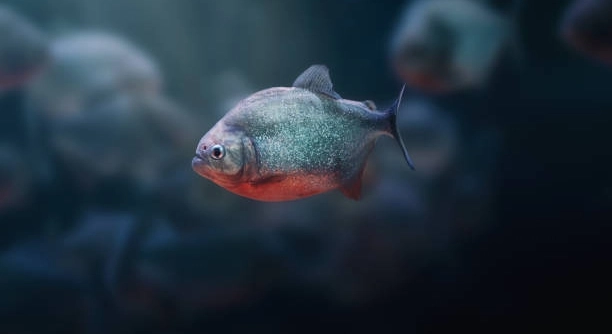
Piranhas are fascinating fish known for their sharp teeth and powerful jaws. Observing their colors can reveal a lot about their mood and behavior. Understanding these shifts helps in better care and interaction with them.
Piranha mood can be identified by seven distinct color shifts. These changes indicate states such as aggression, stress, or calmness. Monitoring these color patterns allows for accurate assessment of their emotional and physical well-being.
Recognizing these signs can improve your experience with piranhas and ensure they remain healthy and responsive in their environment.
Understanding Piranha Color Changes
Piranhas change their color for different reasons. When they feel threatened, their red or orange areas become brighter. This is a warning to others that they are ready to defend themselves. In calmer moods, their colors become duller or more uniform. These shifts can also show stress or illness. Watching these changes closely helps keep them safe. For example, if their colors suddenly darken, it might mean they are feeling stressed or sick. Bright, vibrant colors usually indicate health and alertness. In an aquarium setting, lighting and water conditions also affect how their colors appear. Being aware of these influences makes it easier to tell if the fish is truly changing mood or just reacting to the environment. Noticing these signs early helps prevent problems and keeps the fish comfortable.
Piranha colors often serve as clear mood indicators for owners and caretakers alike.
Keeping track of these subtle changes allows better care. By adjusting water quality or tank companions, you can reduce stress and encourage natural behavior. Observing the fish over time helps you learn its normal color patterns, making mood shifts easier to spot. This understanding is key to maintaining a healthy piranha and a peaceful tank environment.
Aggressive Color Signals
Aggressive piranhas show intense red or black colors, especially around their head and fins. This signals they are ready to defend territory or compete for food. It is important to notice this early to avoid fights.
When aggression colors appear, separating the fish or reducing stressors helps calm them. Overcrowding, sudden movements, or poor water quality often trigger this behavior. Offering hiding spots and enough space minimizes conflicts. It’s best to keep the tank conditions stable and avoid sudden changes. By paying attention to aggressive color shifts, you can protect both the fish and the aquarium’s balance. This proactive approach leads to a safer and healthier environment for all aquatic life involved.
Stress-Induced Color Changes
Piranhas often show duller or faded colors when stressed. This helps them blend in and avoid attention from threats.
Stress can come from many sources like poor water quality, overcrowding, or sudden changes in their environment. When stressed, piranhas lose their bright reds and oranges, turning more muted. This color shift signals discomfort and potential health issues. It’s important to check water parameters regularly and keep the tank clean. Avoiding too many tank mates and maintaining a stable environment reduces stress. Providing hiding spots helps them feel secure. Recognizing these signs early prevents more serious problems and keeps the fish healthier.
Sometimes, even slight environmental changes cause noticeable color shifts. Watching how your piranha reacts helps you adjust care to keep stress low.
Mating Colors and Behavior
During mating periods, piranhas show intensified colors, especially bright reds and silvery tones. This attracts mates and signals readiness to reproduce.
Color changes linked to mating also come with behavior shifts like increased activity or chasing. Males often become more vibrant to impress females, while females may display softer but distinct patterns. These changes only last a short time and return to normal once mating is over. Knowing this helps distinguish between natural reproductive signals and other mood changes like aggression or stress. Creating a comfortable, stable environment encourages these natural cycles. Observing these colors gives insight into piranha health and breeding readiness.
Color Changes from Illness
When piranhas are sick, their colors often fade or become blotchy. This signals weakened health and possible infection.
Pale or patchy spots can mean parasites or bacterial problems. Early detection helps prevent serious issues. Always check water quality and consult a vet if needed.
Calm and Resting Colors
Calm piranhas usually have softer, more even tones. These colors show they feel safe and relaxed in their environment.
Watching these gentle hues helps confirm the fish is comfortable and healthy. Consistent tank conditions support this calm state.
Color Impact from Lighting
Lighting affects how piranha colors appear. Bright lights can enhance reds, while dim lights may dull their colors.
Proper lighting helps you see true colors and mood signals clearly. Adjusting light levels can improve their well-being.
FAQ
Why do piranhas change color suddenly?
Piranhas change color quickly as a natural response to mood, environment, or health. Sudden brightening often signals aggression or excitement. Dulling or fading can indicate stress or illness. These shifts help them communicate or adapt to their surroundings. Watching these changes closely allows owners to respond appropriately and maintain good care.
How can I tell if my piranha is stressed by its color?
Stress usually shows through dull or faded colors. Unlike bright, alert tones, stressed piranhas lose their vibrant reds and oranges. Their colors may look washed out or patchy. Stress can come from poor water quality, overcrowding, or sudden changes. Regular tank maintenance and stable conditions help reduce stress and bring colors back to normal.
Can color changes predict aggression in piranhas?
Yes, color shifts often predict aggression. Bright reds and dark blacks on fins or head areas signal readiness to fight or defend territory. This helps owners intervene early by separating fish or adjusting tank setups to avoid injury and keep the aquarium peaceful.
Do all piranhas show the same color changes?
Not exactly. Different species and individuals may show variations in color shifts. While reds and blacks are common signals, some piranhas may have unique patterns or less pronounced changes. Learning your specific piranha’s normal colors helps recognize important mood changes more accurately.
Is it normal for piranhas to lose color when sick?
Yes, illness often causes color fading or blotchy spots. This can mean infection, parasites, or stress from poor health. Early detection by noticing color changes is key. Improving water quality and consulting a vet if needed can help recovery.
How does lighting affect how piranha colors look?
Lighting plays a big role in color appearance. Bright lighting can make reds and oranges pop, while dim or uneven lighting may dull colors and hide mood signals. Proper aquarium lighting lets you see true colors and helps monitor your fish’s health and behavior better.
Can piranha colors change with age?
Piranhas may show subtle color changes as they age. Young fish often have less intense colors that develop fully with maturity. Older fish might fade slightly due to natural aging. These changes usually happen slowly and are different from mood or health-related shifts.
What can I do to encourage healthy colors in my piranha?
Maintaining clean water, stable temperature, and a balanced diet supports vibrant colors. Avoid overcrowding and sudden changes in the tank environment. Providing hiding spots and proper lighting also helps fish feel secure and display their natural hues.
Are mating color changes dangerous for tank mates?
Mating colors come with increased activity and sometimes aggression, which can stress other fish. During these periods, keep a close eye on tank dynamics and provide enough space. If aggression becomes a problem, separating the breeding pair temporarily might be necessary.
How quickly do piranha colors return to normal after mood changes?
The time varies depending on the cause. After stress or aggression, colors may return to normal within hours or a few days once conditions improve. Illness-related changes take longer and need treatment. Consistent care speeds up recovery and helps restore natural colors.
Is it possible to mistake natural color patterns for mood changes?
Yes, especially with new piranha owners. Natural markings and permanent color patterns can sometimes look like mood shifts. Learning the fish’s typical appearance and behavior over time helps avoid confusion and better interpret true color signals.
Can I use color changes to improve my piranha’s environment?
Absolutely. Color changes are valuable indicators of how your fish feel. By observing these shifts, you can adjust water quality, tank mates, lighting, and feeding to create a more comfortable habitat. This attention leads to healthier and happier fish overall.
Final Thoughts
Understanding the color shifts in piranhas is important for anyone who keeps these fish. Their colors are not just for show but act as signals of their mood, health, and environment. When piranhas display bright reds and blacks, they may be feeling aggressive or alert. On the other hand, dull or faded colors often mean they are stressed or unwell. Recognizing these changes early can help prevent problems like fighting or illness in the tank. It also helps owners provide better care by adjusting the environment or addressing health issues quickly.
Keeping a piranha tank healthy involves paying attention to many factors. Clean water, proper lighting, and enough space are key to helping piranhas show their natural colors. Sudden changes in the tank, overcrowding, or poor water quality can cause color shifts that show discomfort or stress. Providing hiding places and a stable environment helps fish feel safe and relaxed. These small adjustments can make a big difference in the fish’s well-being and mood. Watching how your piranha’s color changes over time helps you learn what is normal for them and what might be a cause for concern.
Finally, color changes can also give clues about natural behaviors like mating or aging. During mating, piranhas often become more vibrant to attract partners. As they get older, their colors may fade slightly, which is normal. Understanding these natural shifts prevents confusion with signs of illness or stress. Paying close attention to your piranha’s colors and behavior makes it easier to provide the right care. This knowledge creates a better experience for both the fish and the owner, leading to a healthier, more balanced aquarium.

Hello,
If you enjoy the content that we create, please consider saying a "Thank You!" by leaving a tip.
Every little bit helps us continue crafting quality advice that supports the health, happiness, and well-being of pets around the world, for pets of all shapes, sizes, and species.
We really appreciate the kindness and support that you show us!