
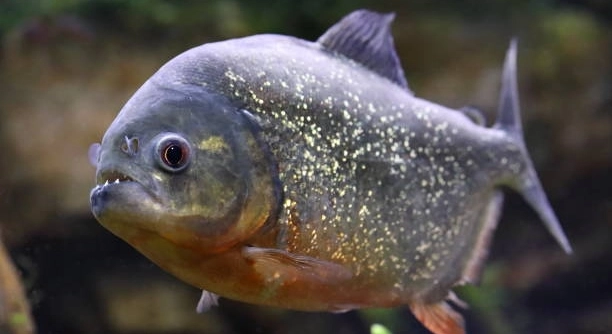
Piranhas react quickly to changes in their environment, especially to moving shadows. These fish are highly sensitive to visual cues, which helps them survive and hunt effectively in the wild. Understanding their reactions offers insight into their behavior.
Piranhas exhibit several instinctive responses to moving shadows, including increased alertness, defensive posturing, rapid swimming, and changes in schooling behavior. These reactions are primarily triggered by their need to detect potential threats or prey in their surroundings.
Recognizing these behaviors is essential for anyone interested in piranha ecology and how these fish interact with their environment. The following sections explain seven distinct reactions to moving shadows.
Increased Alertness to Moving Shadows
Piranhas immediately become more alert when they notice a moving shadow. This response helps them identify potential threats or prey nearby. Their eyes quickly focus on the shifting shape, and their body posture changes as they prepare to react. This heightened awareness is vital for their survival. It allows them to decide whether to flee, hide, or attack depending on the situation. This alertness also aids in hunting, as the movement could signal prey passing overhead. In a natural setting, piranhas rely heavily on such visual signals because their environment is often filled with fluctuating light and shadows from plants, water surface ripples, or larger animals passing by. This constant vigilance keeps them ready to respond quickly, reducing the chances of surprise attacks from predators or missed feeding opportunities. Their ability to detect subtle changes in light makes them effective and efficient in their aquatic habitats.
This reaction is one of the earliest signs that piranhas are responding to nearby movement. It sets the stage for further behavioral changes.
Understanding this alertness can help in managing piranha behavior in captivity and improving their care.
Defensive Posturing When Threatened
Defensive posturing is a common reaction when piranhas perceive a shadow as a threat. They may flare their gill covers, open their jaws wider, and display sharp teeth to intimidate the source of the shadow. This behavior signals readiness to defend themselves if needed. It helps deter predators and warns other fish to stay away. In groups, piranhas often synchronize this display, increasing its effectiveness. Defensive posturing is also a way to establish dominance among peers, especially during feeding times or when protecting territory. By making themselves appear larger and more aggressive, piranhas reduce the likelihood of physical confrontation. This response highlights their instinct to protect themselves with minimal energy expenditure, relying on visual intimidation rather than immediate attack.
Recognizing defensive posturing allows handlers and observers to gauge the comfort level and stress of these fish.
This behavior serves as a visual warning and reduces unnecessary conflict within piranha groups.
Rapid Swimming Responses
Piranhas often respond to moving shadows with sudden bursts of swimming. This quick movement helps them escape perceived danger or chase after prey. Their speed is a key survival tactic in their natural environment.
These sudden swimming bursts are controlled by the fish’s instinct to avoid threats or seize opportunities. When a shadow passes overhead, piranhas assess whether it signals a predator or food. If it’s a threat, they dart away swiftly, sometimes retreating to shelter among plants or rocks. If it looks like prey, they may swim rapidly toward the source, prepared to attack. This behavior requires strong muscles and sharp reflexes, which piranhas have in abundance.
Rapid swimming also helps maintain group cohesion. When one fish moves suddenly, others follow, creating synchronized movement that confuses predators. This collective reaction improves survival chances by making the school harder to target.
Changes in Schooling Behavior
Piranhas adjust their schooling patterns when shadows move above them. This change is a defensive measure to protect the group from potential threats.
When a shadow passes, piranhas tighten their formation and swim closer together. This behavior makes the group appear larger and more intimidating to predators. It also allows individual fish to blend in and reduces the chance of any single fish being targeted. The group moves in unison, adjusting speed and direction to stay cohesive. This synchronization is essential for their survival, especially in environments with many predators. The school’s ability to react instantly to shadows improves protection while allowing quick decisions about whether to hide or flee.
This behavioral adaptation shows the importance of social structure in piranha survival. It reduces risks by emphasizing collective defense.
Freezing Behavior
Piranhas may freeze in place when they detect a moving shadow. This sudden stillness helps them avoid drawing attention from predators or threats nearby.
Freezing allows piranhas to blend into their surroundings, using shadows and plants as cover. This behavior is a survival tactic to remain unnoticed until the threat passes.
Investigative Approach
Piranhas sometimes swim slowly toward the moving shadow to investigate. This cautious approach helps them gather information before deciding how to react.
Flashing Colors
Piranhas can flash brighter colors when responding to moving shadows. This visual signal may warn other fish or confuse potential threats.
What causes piranhas to react strongly to moving shadows?
Piranhas are instinctively wired to respond to sudden changes in their environment. Moving shadows can indicate the presence of predators, prey, or other disturbances. Their sharp eyesight and sensitivity to movement help them detect threats quickly. This rapid detection allows them to take appropriate action—whether fleeing, attacking, or hiding. In nature, shadows often signal something above the water or nearby, so their reaction helps increase survival chances. Because their habitat includes many potential dangers, piranhas rely heavily on visual cues like shadows to stay alert.
Do all piranhas react the same way to moving shadows?
Not all piranhas respond identically. Variations depend on factors like species, age, size, and social context. Younger or smaller piranhas may be more prone to hiding or freezing, while larger adults might display aggressive posturing or rapid swimming. Group behavior also influences reactions—piranhas in schools tend to synchronize their responses for better protection. Environmental factors such as water clarity and light conditions can alter how noticeable shadows are, affecting the intensity of reactions. Overall, while the core instincts are similar, individual and situational differences shape specific responses.
Can piranhas get used to shadows over time?
Yes, piranhas can habituate to repetitive, non-threatening stimuli. If shadows occur frequently without real danger, their reaction may lessen. This adaptation prevents unnecessary energy use and stress from false alarms. In captive environments, piranhas often show reduced sensitivity to shadows caused by tank lighting or human movement. However, sudden or unusual shadows might still trigger strong responses. Habituation depends on the frequency and nature of the stimulus, as well as the individual fish’s experiences. This learning helps balance vigilance with energy conservation.
Are piranha reactions to shadows linked to feeding behavior?
Reactions to moving shadows are closely tied to hunting and feeding. Piranhas interpret some shadows as signals of prey above or nearby. This triggers increased alertness and rapid swimming toward the source. Their aggressive displays can also help intimidate competitors during feeding. Changes in schooling behavior often help coordinate group hunting tactics. Recognizing shadows as potential food opportunities is part of their survival strategy. This behavior allows piranhas to exploit visual cues for effective foraging in their natural habitat.
How do piranhas’ reactions to shadows affect their social dynamics?
Shadow responses impact piranha group behavior significantly. Defensive posturing and schooling adjustments help maintain order and reduce conflict during perceived threats. When a shadow appears, the school may tighten formation or display synchronized swimming to present a united front. This cooperation strengthens protection against predators. Aggressive reactions also help establish dominance hierarchies, especially around feeding times. These social behaviors reduce risks and improve survival. The way piranhas respond to shadows reflects their balance between self-preservation and social coordination.
Can shadows cause stress in captive piranhas?
Frequent or sudden shadows in captivity can stress piranhas. Unexpected movements or changes in lighting may trigger repeated defensive or escape behaviors. Prolonged stress can weaken immune systems and reduce appetite. Proper tank setup with stable lighting and minimal external disturbances helps lower stress levels. Observing shadow reactions can indicate when fish feel unsafe. Minimizing rapid light changes and outside movement near the tank promotes a calmer environment, improving overall health.
Are there ways to safely observe piranhas without triggering their shadow responses?
Yes, observing piranhas calmly requires avoiding sudden movements and harsh lighting changes near their habitat. Using soft, indirect lighting reduces sharp shadows on the water surface. Moving slowly around the tank or pond minimizes sudden visual disturbances. Allowing piranhas to acclimate to your presence also lowers reactivity. These steps create a less threatening environment, allowing natural behaviors without stress. Patience and careful observation provide insight into their typical reactions without unnecessary disturbance.
Do piranhas react differently to natural versus artificial shadows?
Piranhas respond similarly to both natural and artificial shadows if the movement resembles a threat or prey. Natural shadows come from plants, animals, or water surface changes, while artificial shadows may come from lighting or human activity. The key factor is the movement and contrast, not the source. However, artificial shadows that occur repeatedly without consequence often lead to habituation. Natural shadows tend to be more varied and unpredictable, keeping piranhas more alert. Understanding this difference helps manage captive environments to reduce stress.
The way piranhas respond to moving shadows shows their strong survival instincts. These fish rely heavily on visual cues to detect threats or opportunities in their environment. Shadows passing overhead often signal the presence of predators or prey, triggering quick reactions such as swimming away, freezing, or investigating. This sensitivity to movement helps piranhas stay safe and find food. Their behaviors are the result of millions of years of adaptation to life in fast-moving and often dangerous waters. Understanding these reactions offers insight into how piranhas interact with their surroundings and maintain balance in their ecosystems.
Piranhas also demonstrate complex social behavior when reacting to shadows. Their tendency to form tighter schools or synchronize swimming creates a protective barrier against predators. Group reactions reduce individual risks and increase the chances of survival for all members. The variation in responses—from freezing to flashing colors or rapid swimming—depends on the situation, the fish’s role in the group, and the level of perceived threat. These behaviors show that piranhas are not only fierce hunters but also cautious and cooperative creatures. They use both individual instincts and social strategies to navigate their environment effectively.
In captivity, recognizing piranhas’ responses to moving shadows is important for their care. Frequent disturbances caused by light changes or outside movement can stress these fish. Creating a stable and calm environment reduces unnecessary reactions and improves their well-being. Observing their natural reactions without causing alarm helps maintain their health and allows for better understanding of their behavior. Overall, the way piranhas respond to shadows reflects a balance of alertness and adaptation, shaped by both their natural habitat and social structure. This knowledge can aid in their proper care and conservation efforts.

Hello,
If you enjoy the content that we create, please consider saying a "Thank You!" by leaving a tip.
Every little bit helps us continue crafting quality advice that supports the health, happiness, and well-being of pets around the world, for pets of all shapes, sizes, and species.
We really appreciate the kindness and support that you show us!