
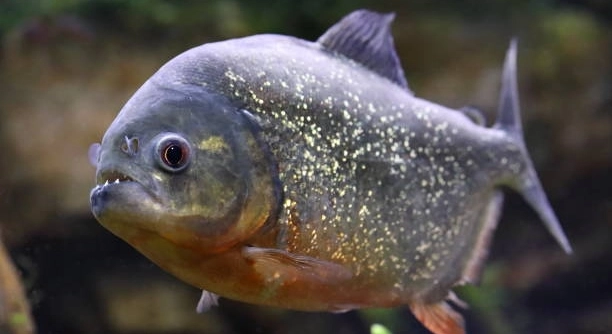
Calm piranhas exhibit unique grooming behaviors that help maintain their health and social balance. Observing these habits provides insight into their natural tendencies and interactions within their environment. These behaviors are subtle but important for their well-being.
Grooming habits in calm piranhas include fin cleaning, scale maintenance, and mutual nibbling. These actions serve to reduce parasites, remove debris, and reinforce social bonds, contributing to their overall health and stability in group dynamics.
Recognizing these behaviors can improve understanding of piranha care and promote healthier aquatic environments for these fascinating fish.
Fin Cleaning and Its Role in Health
Piranhas spend a good amount of time cleaning their fins. This behavior helps remove dirt, dead skin cells, and small parasites that can accumulate. Clean fins allow piranhas to swim more efficiently and avoid infections. When fins are damaged or dirty, it can affect their mobility and make them more vulnerable to disease. By regularly grooming their fins, calm piranhas maintain their physical condition and prevent problems that could arise from neglect. This cleaning also involves gentle rubbing against objects or nearby fish, which further helps remove unwanted particles. Keeping fins in good shape supports piranhas’ ability to hunt and move swiftly, ensuring they stay active and healthy within their environment.
This habit is essential for maintaining physical health and preventing the spread of infections among piranha groups.
Regular fin cleaning plays a critical role in the daily lives of calm piranhas. It not only protects them from external threats but also helps sustain social harmony. Clean fins signal good health to other fish, reducing aggression. This grooming behavior also reflects the fish’s ability to adapt and thrive in their habitat. Without it, piranhas may experience decreased mobility and increased stress, which can lead to poor feeding and lower survival rates. Observing fin cleaning offers insight into how piranhas maintain their strength and manage challenges in their aquatic surroundings.
Mutual Nibbling as Social Grooming
Mutual nibbling is a common grooming practice among calm piranhas. It serves to strengthen social bonds within the group.
This behavior involves gentle nibbling around the body, especially near the fins and scales. It helps remove parasites and dead skin that the fish cannot reach themselves. Mutual nibbling also provides comfort and reassures individuals, reducing tension in the group. This interaction is important because it promotes cooperation and lowers chances of aggressive encounters. Calm piranhas use this grooming habit to keep their group stable and healthy. Understanding mutual nibbling highlights how social behaviors contribute to piranhas’ overall well-being and group cohesion.
Scale Maintenance Habits
Calm piranhas carefully maintain their scales to prevent damage and infection. They use rubbing motions against surfaces to clean and align their scales.
This behavior helps remove algae, dirt, and parasites that settle on their bodies. Proper scale maintenance protects the piranha’s skin and reduces vulnerability to disease. When scales are damaged, it can create openings for harmful bacteria. Piranhas often position themselves near rough surfaces in their environment to assist with this process. This natural form of grooming supports their health and allows them to stay alert and active. It is a simple yet effective way for piranhas to protect themselves.
Regular scale maintenance is also important for hydrodynamics. Smooth scales reduce water resistance, improving swimming efficiency. This enables piranhas to conserve energy and maintain speed when needed, essential for both feeding and avoiding threats.
Behavioral Signs of Grooming Satisfaction
Piranhas show signs of contentment after grooming activities, which include relaxed swimming and reduced aggression. This indicates grooming helps them feel secure.
Grooming satisfaction lowers stress levels and improves social interactions among piranhas. When grooming is thorough, fish display calmer behavior and tend to stay close to group members. This state promotes peaceful coexistence and prevents fights that could injure individuals. Groomed piranhas are more likely to share space and resources without conflict, leading to a healthier group dynamic. Observing these behavioral changes provides clues about the importance of grooming beyond physical care, revealing its role in emotional well-being and social stability. Maintaining grooming routines supports overall harmony in piranha communities.
Importance of Regular Grooming
Regular grooming helps calm piranhas maintain good health and avoid infections. It also supports their natural behaviors and social interactions within groups.
Without consistent grooming, piranhas become more prone to disease and stress. Their ability to swim and hunt can also decline, impacting survival.
Grooming and Environmental Factors
Environmental conditions strongly influence grooming habits in calm piranhas. Clean, well-maintained water encourages frequent grooming and healthy behavior. Polluted or crowded tanks reduce grooming, increasing health risks. Temperature, water quality, and available space affect how often piranhas engage in these essential behaviors. Proper tank management is crucial for supporting their natural grooming routines and overall well-being.
Grooming as Stress Relief
Grooming provides calm piranhas with a way to relieve stress. This natural activity helps them stay balanced and peaceful.
Grooming and Group Stability
Grooming behaviors help maintain group stability among piranhas by reinforcing social bonds and reducing tension within the community.
FAQ
Why do calm piranhas groom themselves?
Calm piranhas groom themselves to maintain their health and cleanliness. Grooming removes parasites, dead skin, and dirt that accumulate on their fins and scales. This behavior helps prevent infections and keeps their bodies functioning well. Grooming also improves their swimming efficiency by keeping their fins and scales in good condition.
How often do piranhas groom?
The frequency of grooming depends on environmental factors like water quality and tank conditions. In clean, well-maintained environments, piranhas may groom several times a day. If water is polluted or overcrowded, grooming often decreases, which can lead to health problems. Observing grooming habits can help monitor a piranha’s well-being.
Is mutual nibbling harmful?
Mutual nibbling among calm piranhas is generally gentle and serves social and health purposes. It helps remove parasites and dead skin in hard-to-reach areas. When done properly, it is not harmful but rather strengthens social bonds. Aggressive nibbling, however, might indicate stress or poor tank conditions.
Can grooming behavior indicate stress levels?
Yes, grooming behavior is closely linked to stress. When piranhas feel secure and comfortable, grooming is more frequent and thorough. In stressful conditions such as poor water quality or overcrowding, grooming reduces. Watching changes in grooming can signal when piranhas are under stress and may need better care.
Do all piranhas groom the same way?
While most calm piranhas share basic grooming habits, such as fin cleaning and mutual nibbling, the intensity and style may vary. Some individuals may groom more frequently or target specific areas. These differences depend on age, health, and social status within the group.
What environmental factors affect grooming?
Water temperature, cleanliness, and tank size strongly influence grooming. Cooler, clean water encourages more frequent grooming. Dirty or warm water can cause piranhas to groom less or develop skin problems. Providing enough space reduces stress and allows natural grooming behaviors to occur more easily.
Is grooming linked to social hierarchy?
Yes, grooming can reflect social structures in piranha groups. Dominant individuals often receive more mutual grooming, which reinforces their status. Grooming helps maintain peaceful relations and reduces conflicts. Less groomed or isolated fish might be weaker or lower in the hierarchy.
How can I encourage grooming in my piranhas?
Maintaining clean water and a spacious tank encourages grooming. Providing natural elements like rocks or driftwood offers surfaces for rubbing and cleaning. Avoid overcrowding to reduce stress, and keep water conditions stable. These steps help piranhas stay healthy and maintain their grooming routines.
Can grooming prevent disease in piranhas?
Grooming plays a significant role in disease prevention by removing parasites and debris that cause infections. Regular grooming supports the fish’s immune system by reducing harmful microorganisms on their skin and fins. Without proper grooming, piranhas are more vulnerable to illnesses.
What should I do if grooming decreases suddenly?
A sudden decrease in grooming often indicates stress or illness. Check water quality for toxins or poor conditions. Look for signs of disease or injury. Improving tank conditions, performing water changes, and isolating sick fish can help restore grooming behaviors. If problems persist, consult a specialist.
Final thoughts on the grooming habits of calm piranhas highlight their importance in maintaining health and social harmony. Grooming behaviors such as fin cleaning, scale maintenance, and mutual nibbling serve practical purposes. These actions help remove parasites, dirt, and damaged skin, which can lead to infections if left untreated. By regularly engaging in grooming, piranhas keep their bodies in good condition, allowing them to swim efficiently and avoid illness. This care routine is not just about cleanliness but also about preserving their physical well-being in a natural and effective way.
In addition to physical health, grooming has social benefits for calm piranhas. Mutual grooming helps reduce aggression and builds trust within the group. When piranhas groom each other, it creates bonds that support peaceful coexistence. This behavior reduces stress and tension, which might otherwise lead to fights or injuries. Calm piranhas that engage in regular grooming tend to show signs of relaxation, such as slower swimming and close group formations. These social grooming habits are essential to maintaining a stable environment, especially in settings like aquariums where space is limited and social dynamics are more noticeable.
Understanding these grooming habits can help fish owners and observers provide better care for calm piranhas. Clean water, proper tank size, and environmental enrichment are necessary to encourage natural grooming behaviors. When grooming decreases or changes, it often signals that the fish may be stressed or unwell. Monitoring grooming can therefore serve as an early indicator of health problems. Supporting grooming habits benefits both individual fish and the group as a whole. Paying attention to these small but vital behaviors allows piranhas to thrive and remain balanced in their aquatic habitat.

Hello,
If you enjoy the content that we create, please consider saying a "Thank You!" by leaving a tip.
Every little bit helps us continue crafting quality advice that supports the health, happiness, and well-being of pets around the world, for pets of all shapes, sizes, and species.
We really appreciate the kindness and support that you show us!