
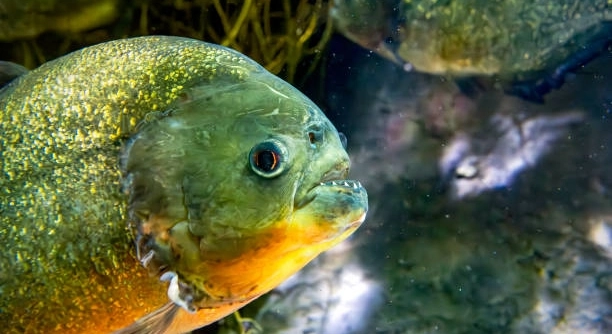
Piranhas are fascinating fish known for their sharp teeth and strong instincts. When they prepare to compete, they show specific behaviors that signal readiness. These signs help observers understand their changing mood and intentions.
Piranhas exhibit several clear signs when ready to compete, including heightened aggression, fin spreading, rapid swimming, and vocalizations. These behaviors indicate territorial defense, dominance displays, and preparation for confrontation with rivals.
Recognizing these signs can improve your understanding of piranha behavior and help maintain a safe environment around them. Observing these clues is key to predicting their actions.
Increased Aggression and Territorial Behavior
When piranhas are ready to compete, one of the most obvious signs is their sudden increase in aggression. They start to patrol their territory more actively, chasing away any fish that come too close. This aggressive behavior is a way to establish dominance and warn rivals that they are prepared to fight. You might notice piranhas biting at objects or displaying their sharp teeth more frequently. Their movements become faster and more forceful, showing they are alert and ready to defend their space. This behavior is common before confrontations and signals that a competition for territory or mates is about to take place. Watching these changes closely can help predict when piranhas will engage in competitive behavior, making it easier to manage their environment safely and respectfully.
Aggression in piranhas is an instinctive response to competition and resource protection. It helps maintain social order within their group.
Understanding the nature of their aggression helps in preparing the aquarium or natural habitat. Providing enough space and hiding spots can reduce conflicts and stress among piranhas. This preparation is important for keeping the fish healthy and minimizing damage caused by fights. Observing the timing and triggers of their aggressive behavior offers insight into their social dynamics. This knowledge can improve how caretakers handle their interactions, ensuring a safer environment for both the piranhas and anyone nearby.
Physical Displays of Readiness
Piranhas show readiness to compete through specific physical displays. Their fins become more pronounced, and their bodies may change color slightly.
These visual signals serve as warnings to rivals. The fish spread their fins wide to look larger and more intimidating. Brightening colors, especially near the head and gill areas, indicate heightened alertness and aggression. These changes help communicate strength without immediate physical confrontation, allowing piranhas to size each other up. Physical displays reduce unnecessary fights by letting competitors assess each other’s power visually. The intensity of these signs increases as the competition grows closer, often peaking just before the actual conflict. Watching for these physical cues can help identify when piranhas are moving from a calm state into a competitive mode, which is crucial for managing their behavior effectively.
Rapid Swimming and Movement
Piranhas increase their swimming speed when they are ready to compete. They dart quickly around their territory to show energy and alertness.
This rapid movement is a way to intimidate rivals by displaying strength and stamina. Faster swimming helps piranhas patrol their area efficiently and respond quickly to any threats. It also signals that they are prepared for a potential fight. Observing this behavior can help identify when competition is about to start, as calm swimming suddenly changes into fast, purposeful motions.
Increased activity also helps piranhas warm up their muscles, making them more agile during confrontation. This heightened movement can sometimes be mistaken for stress, but in competition contexts, it is a clear sign of readiness. Knowing this difference helps in predicting their behavior and avoiding surprises during interactions.
Vocalizations and Sounds
Piranhas produce specific sounds to communicate readiness to compete. These noises act as warnings to others nearby.
The sounds often come from rapid jaw movements or body vibrations that create clicking or popping noises. These vocalizations help piranhas assert dominance without direct contact. The intensity and frequency of the sounds increase as competition nears, serving as a signal to rivals to stay back or prepare for a challenge.
These vocal cues are important because they provide non-visual ways to communicate. In murky water or low visibility, sounds help maintain social order and reduce physical fights. Being aware of these auditory signs can help caretakers recognize when piranhas are becoming competitive, even if their body language is less obvious. It adds another layer to understanding their complex behaviors.
Fin Spreading
Piranhas spread their fins wide when preparing to compete. This makes them appear larger and more threatening to rivals.
The extended fins also help them balance during fast movements and sudden turns, signaling readiness for confrontation.
Eye Contact and Staring
Piranhas often lock eyes with their opponents before a competition. This staring contest tests confidence and dominance without physical aggression.
Maintaining eye contact can intimidate rivals and sometimes prevent fights by showing strength early on.
Body Posture Changes
Piranhas shift their body posture to a more rigid and upright position when ready to compete. This stance improves their ability to react quickly.
This posture also signals seriousness and readiness, discouraging weaker opponents from engaging.
Group Behavior Changes
Piranhas may group together more closely before competing. This behavior shows social dynamics and alliances forming in preparation for conflict.
What causes piranhas to become competitive?
Piranhas become competitive mainly because of territory, food, and mating needs. They want to protect their space from other fish and secure resources. When food is scarce or mates are available, competition increases. This behavior is natural and helps ensure survival and reproduction.
Competition also happens when piranhas feel threatened by new arrivals or changes in their environment. Stressful conditions can make them more defensive and ready to fight. Understanding these triggers can help manage their environment better and reduce aggressive encounters.
How can you tell if piranhas are about to fight?
Piranhas show several clear signs before a fight. They become aggressive, swim rapidly, spread their fins, and produce specific sounds. Their bodies tense up, and they often stare directly at each other. These behaviors signal rising tension.
Before a fight, piranhas will also make vocal noises, like clicking or popping, to warn opponents. They may group closer together or chase one another in short bursts. Watching for these clues can help predict and prevent serious conflicts.
Are all piranha species equally competitive?
No, competitiveness varies among piranha species. Some species are more aggressive and territorial, while others are calmer and less prone to conflict. For example, the red-bellied piranha is known for being particularly aggressive compared to other types.
Different habitats and food availability also affect their behavior. Piranhas living in crowded or resource-poor environments tend to compete more. Knowing the species-specific traits is important when caring for piranhas or studying them in the wild.
Can competition among piranhas harm them?
Yes, intense competition can lead to injuries or stress. Bites and scratches are common during fights. Stress weakens their immune system, making them vulnerable to disease. Prolonged fighting can reduce their overall health and lifespan.
However, mild competition is normal and helps maintain social order. Providing enough space, food, and hiding places can reduce the risks of harmful fights. Monitoring piranha behavior helps keep them healthy and safe.
What role does environment play in piranha competition?
The environment plays a big role in how often piranhas compete. Crowded tanks or natural habitats with limited resources increase competition. Clean water, sufficient space, and proper hiding spots reduce aggressive behavior.
Changes like new fish introductions or shifting water conditions can raise tension among piranhas. Keeping their environment stable and balanced helps manage competition and supports their well-being.
How can competition be managed in captivity?
Managing competition in captivity requires careful attention to tank size, population density, and resources. Larger tanks with fewer fish lower stress and aggression. Providing multiple hiding spots and territories helps separate fish and reduce conflicts.
Feeding regularly and offering varied diets can minimize competition for food. Observing fish behavior and removing overly aggressive individuals when needed keeps the group peaceful. Proper management ensures a healthier and calmer environment for piranhas.
Do piranhas compete year-round or only during certain times?
Piranhas compete more intensely during breeding seasons when mates are scarce. Territorial disputes and fights increase as they try to secure partners and nesting areas. Outside breeding times, competition tends to be less frequent but can still occur over food or space.
Understanding these seasonal patterns helps predict when piranhas will be more aggressive. This knowledge is useful for both researchers and caretakers to prepare for periods of higher tension.
What signs indicate a piranha has won a competition?
A winning piranha often shows dominance by continuing to patrol its territory confidently. It may display fins and maintain eye contact with rivals to reinforce its status. The losing fish usually retreats or hides.
After a fight, winners often exhibit calmer behavior, while losers remain cautious. Recognizing these outcomes helps understand social hierarchy and reduces repeated conflicts.
Can competition among piranhas ever lead to cooperative behavior?
While competition is common, piranhas sometimes cooperate in groups for protection or hunting. They may work together to corner prey or defend against larger threats. This balance between competition and cooperation is part of their complex social behavior.
Knowing when they shift between these modes can improve care strategies and help in studying their interactions in the wild. Cooperation reduces risk and benefits the group as a whole.
When observing piranhas, it is important to understand their natural behaviors, especially when they prepare to compete. These fish have clear signs that show they are ready for competition, such as increased aggression, fin spreading, rapid swimming, and vocalizations. Recognizing these signs helps in predicting their actions and managing their environment properly. Knowing what to expect allows for safer interactions, whether in the wild or in captivity. It also helps reduce stress for the fish and prevents unnecessary harm.
Managing piranhas in captivity requires attention to their needs and behaviors. Providing enough space, food, and hiding places can reduce aggressive competition. It is natural for piranhas to compete over territory, food, and mates, but careful management can keep fights from becoming too serious. Observing their physical displays and behavior changes is key to maintaining a balanced environment. This way, the fish can live healthier and with less stress, which benefits both the piranhas and the people caring for them.
Understanding piranha competition also teaches us about their role in their ecosystem. Their behaviors help control population and maintain balance in their habitats. While their aggressive nature may seem intimidating, it is part of how they survive and thrive. Learning about these behaviors encourages respect for piranhas and helps create better conditions for their care and study. Keeping this knowledge in mind is important for anyone working with or interested in these remarkable fish.

Hello,
If you enjoy the content that we create, please consider saying a "Thank You!" by leaving a tip.
Every little bit helps us continue crafting quality advice that supports the health, happiness, and well-being of pets around the world, for pets of all shapes, sizes, and species.
We really appreciate the kindness and support that you show us!