
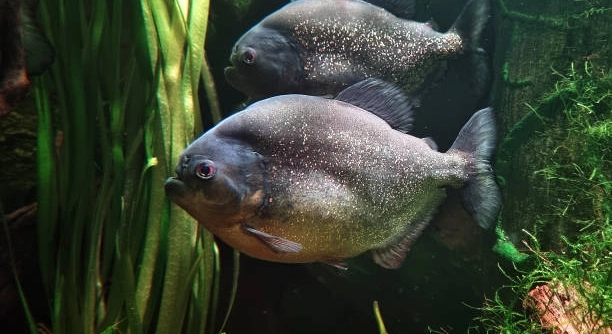
Piranhas are known for their aggressive behavior and territorial nature. When they start to expand their living space, it can affect the surrounding environment and other aquatic life. Recognizing early signs of this expansion helps in managing their impact effectively.
Piranhas claim new space by exhibiting changes in behavior, increased activity, and visible marks on their environment. These signs include aggressive interactions, altered feeding patterns, and territorial displays, which indicate their adaptation and expansion within new areas.
Identifying these indicators allows for better understanding and response to piranha movements in aquatic habitats. This knowledge supports maintaining balance and preventing potential conflicts.
Increased Aggression and Territorial Behavior
When piranhas start claiming new space, one of the first signs is a noticeable increase in aggression. They become more territorial, often chasing away other fish and even fighting among themselves to establish dominance. This behavior is common as they defend their new area from intruders. You might observe frequent circling or sudden bursts of movement as they patrol their expanded territory. Aggressive displays like flaring fins and rapid darting are also typical. These changes can disrupt the usual calm of the aquatic environment. Understanding these signs helps in anticipating further developments in their behavior and environment.
This aggression often leads to a shift in the balance of the aquatic community. Other species may hide more or relocate to avoid confrontation.
Observing these behaviors early provides insight into how piranhas assert control. It also highlights the importance of monitoring tank or habitat conditions to prevent stress on all aquatic inhabitants. Adjusting space and resources can reduce conflicts and maintain a healthier environment.
Changes in Feeding Patterns
Feeding behavior shifts when piranhas move into new space. They tend to eat more aggressively and may change the timing of their feeding. This can affect other fish that share the same habitat. Increased feeding competition is common, especially if the new area has limited food supplies. Piranhas might also show signs of faster consumption or hoarding food in certain spots. These changes signal their efforts to establish dominance and secure resources.
Feeding shifts can indicate the extent of their territorial expansion and the pressure on available food sources.
The impact on feeding patterns extends beyond piranhas. Other species might experience stress or reduced access to food, which affects their health. In controlled environments like aquariums, this can mean adjusting feeding schedules or increasing food amounts to accommodate new demands. In natural habitats, it may lead to changes in species distribution and behavior. Recognizing feeding pattern changes early helps in managing these effects, ensuring a balanced ecosystem where no species suffers from food scarcity due to aggressive piranha behavior.
Visible Damage to Surroundings
Piranhas can cause physical damage to plants, decorations, or tank walls when expanding their space. This behavior often results from their increased activity and territorial disputes.
Damage to the environment happens as piranhas nip at plants or scrape surfaces. This can lead to broken leaves or disturbed substrate. Such changes reduce hiding spots for smaller fish and affect the overall habitat structure. In aquariums, it may require frequent cleaning or replacement of decorations. In natural settings, this damage can impact the ecosystem by altering shelter availability and water quality.
Noticing these physical signs is important. It indicates not only piranha presence but also their influence on habitat health. Managing their environment with sturdy plants and appropriate décor can reduce damage. Monitoring these changes helps maintain balance and keeps other species safe.
Increased Movement and Exploration
Piranhas become more active when seeking to claim new space. Their increased movement around the area signals territorial expansion.
This heightened activity often includes exploring new corners and swimming patterns. It can cause disturbances in the water, affecting visibility and the behavior of other fish. The constant motion may also stress more passive species, forcing them to hide or relocate. In tanks, such activity may lead to increased waste and water quality issues, requiring more frequent maintenance.
Understanding this increased movement as a sign of expansion allows for better habitat management. Adjustments to tank size, décor, or population density may be necessary to accommodate this behavior. Preventing overcrowding and ensuring enough space supports a healthier environment for all aquatic life.
Markings and Physical Signs on Piranhas
Piranhas may develop visible marks or scars when claiming new space. These signs come from frequent fights and encounters with rivals.
Such physical changes indicate ongoing territorial disputes. Scars, missing scales, or fin damage reveal the intensity of their battles. Tracking these marks helps gauge the level of conflict within the group.
Changes in Schooling Behavior
Piranhas often alter their schooling patterns during territorial expansion. Groups may become tighter or more fragmented depending on environmental pressures.
This shift reflects their need to defend territory or respond to threats. Changes in schooling can affect hunting efficiency and vulnerability to predators. Observing these patterns provides insight into their social dynamics and space usage.
New Nesting or Hiding Spots
Piranhas create or claim new shelters as part of expanding their area. These spaces offer protection and strategic advantage.
Disturbed Water Clarity
Increased activity from piranhas can stir up sediment, reducing water clarity temporarily.
How can I tell if piranhas are expanding their territory in my aquarium?
Signs of territorial expansion include increased aggression, frequent chasing, and more visible movement around the tank. Piranhas may nip at plants or decorations more often, causing damage. You might also notice physical marks like scars or fin damage from fights. Changes in schooling behavior, such as tighter groups or more frequent separation, are also common. Monitoring these behaviors and changes in the environment helps you detect expansion early.
What impact does piranha territorial expansion have on other fish?
Other fish often become stressed or hide more due to piranha aggression. Increased competition for food can reduce access for less aggressive species. Some fish may relocate if possible, while others show signs of health decline. The expansion disrupts normal behavior and balance in the tank or habitat, making management crucial to maintain well-being for all aquatic life.
Can changes in feeding patterns signal new space claims?
Yes, piranhas may eat more aggressively and alter feeding times. They compete more strongly for limited food and may consume faster than usual. This shift is part of their effort to secure resources in a new area. Adjusting feeding schedules and quantities can help reduce stress on other species.
Why do piranhas damage plants and decorations when expanding territory?
Nipping and scraping surfaces are ways piranhas mark and defend their space. This behavior can lead to broken plants and disturbed substrate. Such damage reduces shelter for other fish and affects water quality. Providing durable décor and tough plants can minimize harm.
How does increased movement relate to piranha territorial claims?
Heightened activity shows piranhas exploring and patrolling their new space. This constant motion can disturb the water and stress other fish. It may also lead to more waste, impacting water quality. Ensuring enough space and regular maintenance supports a healthier environment.
What do physical scars and marks on piranhas indicate?
Scars, missing scales, and fin damage are signs of fights related to territory disputes. These physical marks show the level of conflict within the group. Tracking these can help assess aggression and adjust tank conditions or population density.
How does schooling behavior change with territorial expansion?
Piranhas may form tighter groups or scatter more depending on pressure. Tighter schooling helps defend against threats, while fragmentation can occur during intense disputes. These shifts influence hunting success and safety.
Why do piranhas create new nesting or hiding spots?
New shelters provide protection and strategic advantage in claimed territory. Piranhas use these spots to rest, hide, or ambush prey. The presence of new nests signals efforts to secure and control the area.
What causes water clarity to decrease during piranha territorial expansion?
Increased movement stirs up sediment and debris. This temporary cloudiness results from their activity and territorial disputes. Maintaining good filtration and regular cleaning helps manage water clarity.
When piranhas start claiming new space, it affects their environment in several ways. Increased aggression, changes in feeding habits, and physical damage to surroundings are clear indicators of this expansion. These behaviors are natural as piranhas try to establish and defend their territory. Recognizing these signs early helps in managing their habitat more effectively. Whether in a home aquarium or a natural setting, being aware of these changes allows for timely adjustments to reduce stress on the piranhas and other aquatic species sharing the space.
Managing piranha territorial expansion requires careful observation and sometimes intervention. Providing enough space, increasing food availability, and arranging decorations to reduce conflict can help maintain balance. Regular monitoring of water quality and physical health is also important, as heightened activity can lead to more waste and injuries. Understanding piranha behavior encourages responsible care and helps prevent problems that arise from overcrowding or limited resources. This approach supports a healthier environment for all fish in the habitat.
Overall, piranhas’ territorial behavior is a natural part of their life cycle. While their actions may seem disruptive, they serve a purpose in maintaining social order within the group. Paying attention to signs like aggression, movement, and environmental changes helps to better support their needs. Careful management ensures that piranhas can thrive without harming other species or damaging their surroundings. This balance is essential for sustaining a stable and healthy aquatic ecosystem.

Hello,
If you enjoy the content that we create, please consider saying a "Thank You!" by leaving a tip.
Every little bit helps us continue crafting quality advice that supports the health, happiness, and well-being of pets around the world, for pets of all shapes, sizes, and species.
We really appreciate the kindness and support that you show us!