
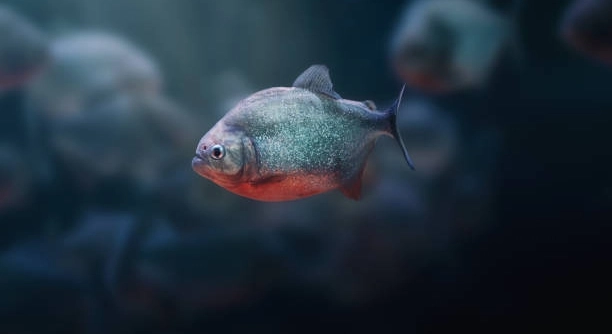
Piranhas are often known for their strong appetite, but sometimes they refuse to eat. This can be confusing for owners who expect their fish to be constantly hungry. Understanding the reasons behind this behavior can help maintain their health.
Piranhas may refuse food due to stress, illness, poor water quality, temperature changes, inadequate diet, breeding periods, or overcrowding. Each factor affects their feeding behavior and overall well-being in distinct ways, requiring appropriate care adjustments.
Recognizing these causes is essential for addressing feeding issues and ensuring your piranhas remain healthy and active in their environment.
Stress and Its Impact on Piranha Appetite
Piranhas are sensitive to changes in their environment, and stress is a common reason for their refusal to eat. Stress can come from sudden water changes, loud noises, or frequent handling. When stressed, piranhas may hide or remain inactive, showing little interest in food. Stress weakens their immune system, making them more vulnerable to diseases. It is important to maintain a stable tank environment with proper water conditions and minimal disturbances. Ensuring a quiet and calm setting helps piranhas feel secure. Monitoring water parameters regularly prevents fluctuations that can cause stress. Providing plenty of hiding spots reduces anxiety and promotes natural behavior. Stress management is crucial for keeping piranhas healthy and maintaining their appetite.
Stress causes piranhas to reduce or stop feeding as their bodies focus on coping with the environment rather than digestion.
Proper tank maintenance and a calm environment can help reduce stress and encourage normal feeding habits.
Illness and Feeding Behavior
When piranhas fall ill, their appetite often decreases as their bodies try to fight infection or internal issues. Common illnesses affecting piranhas include bacterial infections, parasites, and fungal diseases. These conditions cause discomfort, lethargy, and a lack of interest in food. Detecting illness early is key to preventing worsening symptoms. Signs include cloudy eyes, unusual spots or discoloration, and erratic swimming patterns. Ill fish require treatment specific to their condition, often involving medication and improved water quality. It is important to isolate sick piranhas to avoid spreading disease to others in the tank. During recovery, offering easily digestible food in small amounts encourages feeding without overwhelming their weakened system. Regular observation and tank cleaning can prevent many health problems. Prompt action supports faster recovery and a return to normal eating habits.
Poor Water Quality
Poor water quality directly affects piranhas’ health and appetite. High levels of ammonia, nitrites, or nitrates can cause stress and illness, leading to refusal to eat.
Maintaining clean water is essential. Regular water changes, proper filtration, and monitoring chemical levels prevent toxins from building up. Dirty water can irritate gills and skin, reducing piranhas’ energy and interest in food. Testing water parameters weekly helps catch issues early. Removing uneaten food and waste prevents decay that worsens water quality. A stable environment supports feeding behavior and overall health.
Water temperature also influences water quality. Warmer water holds less oxygen, which can cause lethargy and appetite loss. Keeping water clean and within optimal conditions promotes feeding and prevents common health problems related to poor water quality.
Temperature Changes
Sudden temperature fluctuations can stress piranhas, leading to a drop in feeding activity. Piranhas thrive best in stable, warm water between 75°F and 82°F.
Temperature directly affects metabolism and digestion. When water is too cold, piranhas become sluggish, their digestive system slows, and their appetite diminishes. Rapid changes cause shock, making fish hide or stop eating altogether. Maintaining consistent temperature with a reliable heater and thermometer is important. Avoid placing the tank near drafts, windows, or heating vents that cause temperature swings. Gradual adjustments are necessary if changes must occur. Proper temperature control ensures piranhas remain active and maintain a healthy appetite.
Inadequate Diet
Piranhas require a varied diet that mimics their natural feeding habits. Feeding only one type of food can cause refusal to eat.
A balanced diet including live, frozen, and prepared foods keeps piranhas interested and healthy. Variety prevents nutritional deficiencies and encourages consistent feeding behavior.
Breeding Periods
During breeding, piranhas often eat less as their focus shifts to reproduction. This natural behavior can last several days to weeks depending on the species and conditions.
Overcrowding
Too many fish in a tank causes stress and competition, which can reduce feeding opportunities and lead to piranhas refusing food. Maintaining proper stocking levels supports better health and feeding.
FAQ
Why do my piranhas stop eating suddenly?
Piranhas may stop eating due to stress, illness, water quality issues, temperature changes, or diet problems. Sudden changes in their environment or health can cause a loss of appetite. Identifying and fixing these problems usually helps restore normal feeding behavior.
How can I tell if my piranha is stressed?
Signs of stress include hiding, sluggish movement, and refusal to eat. They may also show color fading or unusual swimming patterns. Stress often comes from poor water conditions, overcrowding, or sudden environmental changes.
What should I do if my piranha is sick and won’t eat?
Isolate the sick fish and check for visible signs like spots, swelling, or clamped fins. Improve water quality and consider medication if needed. Offer small amounts of easy-to-digest food and avoid overfeeding until the fish recovers.
Can water temperature really affect piranha appetite?
Yes. Piranhas are cold-blooded and rely on external temperatures to regulate their metabolism. Cold water slows digestion and reduces appetite, while unstable temperatures cause stress that can stop feeding.
How often should I clean the tank to prevent feeding issues?
Regular water changes every one to two weeks are recommended, along with daily removal of uneaten food and waste. Maintaining clean water helps prevent illness and encourages healthy feeding habits.
Is it normal for piranhas to eat less during breeding?
Yes. Breeding piranhas often eat less as they focus on spawning and guarding eggs. This phase can last days to weeks depending on the species, and appetite usually returns afterward.
What foods are best for picky piranhas?
Offering a mix of live foods like small fish or insects, frozen options, and quality pellets encourages feeding. Variety prevents boredom and ensures they get necessary nutrients.
Can overcrowding cause feeding problems?
Definitely. Too many fish in one tank increases competition for food and causes stress. Overcrowding often leads to some piranhas eating less or refusing food entirely. Providing enough space and hiding spots reduces this problem.
How do I introduce new food to my piranhas?
Introduce new foods gradually by mixing small amounts with their regular diet. This helps piranhas adjust and prevents refusal. Watch their reaction and adjust based on what they accept.
What role does water pH play in feeding behavior?
Water pH outside the ideal range (6.5–7.5) stresses piranhas, affecting digestion and appetite. Testing and maintaining proper pH supports healthy feeding and overall fish well-being.
Can lighting affect piranha feeding?
Excessive or harsh lighting may stress piranhas and reduce feeding. Moderate, natural lighting with places to hide encourages normal behavior and appetite.
How long can piranhas go without eating?
Healthy adult piranhas can survive one to two weeks without food but prolonged fasting weakens them. If refusal to eat lasts more than a few days, investigate underlying causes.
Is it okay to feed piranhas less during winter?
Yes, because lower temperatures slow metabolism. Reduce feeding frequency and quantity in cooler months to match their decreased activity and digestive capacity.
How can I tell if my piranha’s diet is balanced?
A balanced diet shows in bright coloration, active swimming, and regular feeding. Poor diet may cause dull colors, lethargy, or refusal to eat. Offering varied foods supports their health.
What are signs that water quality is affecting feeding?
Cloudy water, foul odor, and sudden appetite loss suggest poor water quality. Regular testing and maintenance are essential to avoid these issues.
Final Thoughts
Piranhas can be fascinating fish to keep, but their feeding habits sometimes raise concerns. Understanding why they refuse to eat helps maintain their health and well-being. Several factors contribute to a piranha’s loss of appetite, including stress, illness, poor water quality, temperature changes, and diet issues. Each of these factors affects the fish in different ways but ultimately leads to the same result: a reduction or refusal to eat. Identifying the exact cause requires careful observation of the fish’s behavior and environment. Taking quick action can prevent more serious health problems and improve feeding behavior.
Maintaining a stable and clean tank environment is essential for encouraging healthy eating habits in piranhas. Regular water changes and monitoring water parameters keep the tank free from harmful chemicals and toxins that stress the fish. Temperature control also plays a significant role in keeping piranhas active and willing to eat. A properly heated tank within the recommended temperature range ensures their metabolism stays steady. Providing a varied diet is equally important, as it helps meet their nutritional needs and keeps them interested in feeding. Avoiding overcrowding and minimizing sudden disturbances supports a calm environment, which is beneficial for both feeding and overall health.
In some cases, piranhas may refuse food temporarily during natural processes such as breeding or minor illness. These periods require patience and careful care. Offering appropriate treatment for diseases and giving fish time to recover ensures they return to normal feeding patterns. Observing piranhas regularly allows early detection of problems before they worsen. Consistency in tank maintenance, feeding routines, and environmental stability are key to preventing feeding issues. With proper care, piranhas can thrive, maintaining their appetite and vitality over time.

Hello,
If you enjoy the content that we create, please consider saying a "Thank You!" by leaving a tip.
Every little bit helps us continue crafting quality advice that supports the health, happiness, and well-being of pets around the world, for pets of all shapes, sizes, and species.
We really appreciate the kindness and support that you show us!