
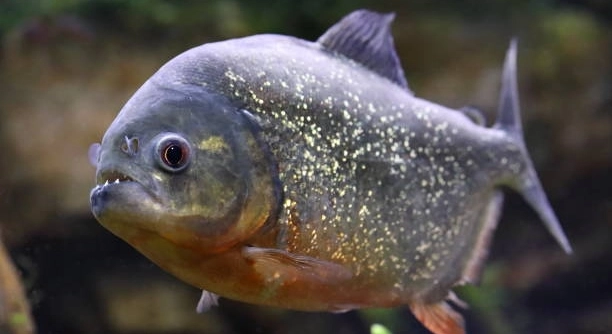
Piranhas are known for their sharp teeth and strong presence in freshwater habitats. These fish use specific movements to communicate with each other, especially when defending their space. Understanding these motions can reveal important details about their behavior.
Piranha territory marking involves distinct motions such as fin spreading, rapid darting, jaw snapping, and body posturing. These actions serve to warn intruders and establish dominance over an area, helping maintain social order within their environment.
Recognizing these behaviors can deepen your appreciation for piranhas and their natural instincts. Learning about their signals also helps in observing them responsibly and respectfully in the wild or captivity.
Fin Spreading and Body Posturing
When a piranha spreads its fins wide and holds its body rigid, it is sending a clear message. This display makes the fish look bigger and more intimidating to others nearby. It is a way to claim the area without engaging in a fight. The piranha wants to warn others that this is its territory, encouraging them to keep their distance. The fins and body posture are often combined with slow, deliberate movements that emphasize strength and control. This behavior usually happens near hiding spots or feeding grounds that the fish wants to protect. Observing fin spreading and body posturing helps understand the social boundaries piranhas set in their habitat.
This motion is a peaceful but firm way to avoid conflict. It lets the piranha establish dominance through appearance alone.
Fin spreading is common during breeding seasons as well, when protecting territory becomes more critical for piranhas to safeguard their eggs and young.
Rapid Darting and Jaw Snapping
Rapid darting is a quick, sudden movement toward an intruder or competitor. Piranhas use this motion to scare others away by showing how fast and agile they can be. It is often followed by jaw snapping, where the fish opens and closes its mouth quickly, producing a sharp clicking sound. These actions work together to warn others that the area is claimed. Rapid darting can seem aggressive but is often a bluff to prevent real fighting. Jaw snapping reinforces the threat by highlighting the piranha’s strong teeth. This combination is effective at maintaining territory without causing serious harm. Observing these behaviors helps explain how piranhas manage conflicts and protect their space.
Tail Flicking and Head Shaking
Tail flicking is a quick side-to-side movement that piranhas use to show irritation or warn others. It signals that the fish is ready to defend its space if needed.
This behavior often happens when another fish gets too close. The tail flick sends a warning without direct aggression. It’s a way for the piranha to say, “Back off.” The motion can also stir up the water, making it harder for intruders to approach silently. Tail flicking is an efficient method to maintain boundaries without escalating conflict.
Head shaking usually follows tail flicking. The piranha rapidly moves its head side to side to emphasize its warning. This motion, combined with body tension, reinforces the message that the territory is protected. Both movements show that piranhas rely on clear signals to avoid unnecessary fights.
Bubble Blowing and Mouth Opening
Bubble blowing occurs when a piranha releases small bubbles from its mouth while holding a steady posture. It’s another subtle signal used to mark territory and communicate presence.
This action can be seen near nest sites or feeding areas. The bubbles create a visual and auditory cue that warns others without physical contact. Mouth opening is often paired with this behavior, where the piranha opens its jaws wide to show its teeth. This display is meant to intimidate and deter rivals. The combination of bubble blowing and mouth opening helps the piranha assert control over its environment calmly yet effectively.
Charging and Circling
Charging is a sudden forward movement toward an intruder, showing aggression without immediate biting. It’s a warning to leave the area quickly.
Circling follows charging. The piranha swims around the intruder in tight loops, keeping it under pressure and signaling that it controls the space.
Vibrating and Thrashing
Vibrating involves rapid, small body shakes that create ripples in the water. This movement signals irritation and readiness to defend territory. It often serves as a prelude to more aggressive actions if the intruder doesn’t leave.
Sideways Display
In this motion, the piranha turns its body sideways to maximize the display of its size and fins. It’s a way to appear more threatening and protect its space without physical contact. This visual cue helps avoid unnecessary fights.
FAQ
What does it mean when a piranha spreads its fins?
When a piranha spreads its fins wide, it is trying to look larger and more intimidating. This behavior is a way to warn other fish that the area belongs to it. By making itself appear bigger, the piranha hopes to avoid physical fights and keep others away from its territory.
Why do piranhas dart quickly toward other fish?
Rapid darting is a warning signal. Piranhas use this quick movement to scare off intruders or competitors. It shows that the fish is alert and ready to defend its space. Often, this darting is a bluff to avoid real fighting, but it still gets the message across clearly.
What is the purpose of jaw snapping in piranhas?
Jaw snapping is a way for piranhas to emphasize their threat without biting. The sharp clicking sound from opening and closing their mouths warns other fish that they have strong teeth and are prepared to defend their territory. This behavior adds an auditory element to their warning signals.
How does tail flicking help in territory marking?
Tail flicking is a quick side-to-side motion that shows irritation or warns others to stay back. It’s a non-aggressive way to communicate displeasure and signal that the fish is ready to protect its area. This movement can also disturb the water, making it harder for intruders to sneak in quietly.
What does head shaking indicate in piranha behavior?
Head shaking is used to strengthen warnings. When combined with other signals like tail flicking or body stiffening, it tells others that the piranha is serious about defending its space. This motion helps avoid physical confrontations by reinforcing the message visually.
Why do piranhas blow bubbles during territory marking?
Bubble blowing serves as a subtle signal that marks the piranha’s presence. The bubbles create small ripples and sounds in the water, which can warn other fish without direct confrontation. This behavior is especially common near nests or feeding spots where the piranha wants to keep intruders away.
How does mouth opening function in territorial displays?
Opening the mouth wide exposes the piranha’s sharp teeth, making it look more threatening. This visual display acts as a deterrent to other fish. It works alongside bubble blowing and body posturing to communicate control over a territory.
What is the significance of charging behavior?
Charging is a fast movement toward an intruder intended to intimidate. The piranha doesn’t always bite but shows readiness to defend itself. This sudden advance signals that the area is defended and that the intruder should leave immediately.
Why do piranhas circle around intruders?
Circling keeps pressure on the intruder and shows dominance. By swimming tight loops, the piranha asserts control over the space and makes it difficult for the intruder to settle. This behavior reinforces the message that the territory is not open for entry.
What role does vibrating play in territory defense?
Vibrating involves rapid body shakes that send signals through the water. This movement indicates irritation and readiness to escalate if necessary. It can warn intruders that the piranha is watching closely and may become more aggressive if provoked.
How does sideways display help in avoiding fights?
Turning sideways maximizes the piranha’s size and fin display, making it appear more intimidating. This visual trick often discourages intruders without physical conflict. It’s an efficient way to defend territory while minimizing risk of injury.
Can these motions vary among different piranha species?
Yes, different species of piranhas may show variations in their territorial behaviors. Some might rely more on visual displays, while others use more aggressive movements. However, the core purpose of these motions—to communicate ownership and avoid unnecessary fights—is consistent across species.
Are these territorial motions used only during breeding seasons?
Territorial behaviors are more intense during breeding seasons when protecting nests and young is critical. However, piranhas also use these signals year-round to defend feeding grounds and shelter areas. Maintaining territory is important for survival in any season.
How can understanding these motions help in caring for piranhas in captivity?
Knowing these territorial signals helps aquarium owners provide enough space and hiding spots to reduce stress and aggression. Recognizing warning signs early can prevent fights and injuries among captive piranhas. This knowledge promotes healthier and more peaceful environments.
Do piranhas use vocalizations along with these motions?
While piranhas don’t produce vocal sounds like some animals, jaw snapping and bubble blowing create noises that add to their warning signals. These subtle sounds enhance the effectiveness of their territorial displays without attracting unwanted attention.
Understanding how piranhas mark their territory helps us see their behavior in a clearer way. These fish use different motions to communicate with others and keep their space safe. Each movement, whether it is spreading fins, darting quickly, or blowing bubbles, has a purpose. It is not just random action but a way to send messages. Recognizing these signs can make watching piranhas more interesting and informative.
Piranhas do not always want to fight. Many of their territory-marking actions are meant to avoid conflict. For example, making themselves look bigger or giving warning signals helps stop fights before they start. This shows that piranhas are smart about protecting themselves and their homes. They use body language and small movements to keep peace while still standing their ground. This balance is important for their survival in their natural habitat.
Knowing about these motions is useful for anyone interested in piranhas, especially those who keep them in tanks. Providing enough space and safe spots reduces stress and aggression among the fish. It also helps prevent injuries caused by territorial disputes. Overall, paying attention to how piranhas behave around their territory can lead to better care and a deeper appreciation for these unique fish. Understanding their natural signals lets us respect their needs and observe their fascinating behaviors without causing harm.

Hello,
If you enjoy the content that we create, please consider saying a "Thank You!" by leaving a tip.
Every little bit helps us continue crafting quality advice that supports the health, happiness, and well-being of pets around the world, for pets of all shapes, sizes, and species.
We really appreciate the kindness and support that you show us!