
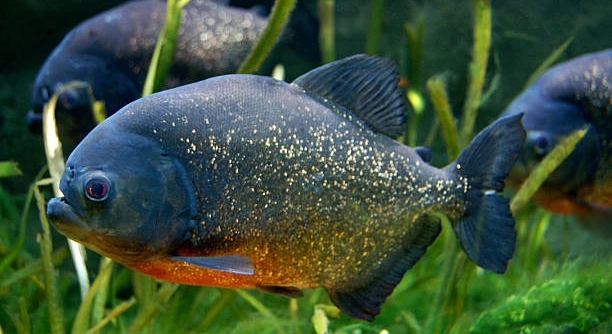
Keeping a piranha tank clean is essential for their health and well-being. However, cleaning this type of aquarium can be stressful for the fish if not done properly. Proper care requires careful handling and specific techniques.
Effective cleaning of a piranha tank involves minimizing disturbance by maintaining water quality, using gentle cleaning methods, and avoiding sudden changes in the environment. Consistency and proper timing reduce stress and support the fish’s natural behavior and health.
Following the right steps ensures your piranhas remain calm and healthy while maintaining a clean tank environment. This article outlines practical tips for stress-free tank cleaning.
Prepare the Tank Before Cleaning
Preparing the tank properly before cleaning helps reduce stress for your piranhas. Start by turning off all electrical equipment, such as filters and heaters. This prevents any accidents while you clean. Remove any decorations or plants gently and place them in a clean container with tank water to keep beneficial bacteria intact. Avoid disturbing the substrate too much, as this can release harmful substances into the water. Use a siphon or gravel vacuum to clean the bottom without fully removing the substrate. Lower the water temperature gradually if possible, as sudden changes can shock the fish. Always prepare fresh, conditioned water to replace what you remove, matching the temperature closely to the tank water. Taking these steps makes the cleaning process smoother and safer for the fish.
Preparing the tank carefully reduces sudden changes that can stress piranhas and helps maintain a stable environment during cleaning.
Proper preparation keeps your piranhas calmer and supports their health. Taking time to follow these steps can prevent common problems caused by rushed or improper cleaning.
Use Gentle Cleaning Tools and Techniques
Choosing the right tools is essential when cleaning a piranha tank to avoid stressing the fish. Soft sponges, algae scrapers, and gentle siphons work best for cleaning tank walls and substrate without causing strong water movement. Avoid harsh chemicals or abrasive materials that can harm the tank environment and the fish. Use water from the tank to rinse decorations, maintaining the natural bacterial balance. When siphoning water, do it slowly to avoid sucking up the fish or disturbing the tank too much. Partial water changes instead of full water removal keep water quality stable. Timing cleaning sessions when the piranhas are less active, such as early morning or late evening, also helps reduce their stress levels. Consistent, gentle maintenance supports a healthy tank without overwhelming the fish.
Gentle cleaning prevents unnecessary disturbance and helps maintain a balanced tank environment for your piranhas.
Regular use of appropriate tools and techniques keeps the tank clean and the fish calm. This approach allows you to maintain water quality while preserving your piranhas’ natural behaviors and comfort.
Maintain Proper Water Parameters
Keeping stable water parameters is crucial when cleaning a piranha tank. Sudden shifts in temperature, pH, or hardness can cause stress and health issues. Test water before and after cleaning to ensure consistency.
Regular water testing helps monitor ammonia, nitrites, nitrates, and pH levels. Avoid drastic changes during water changes by matching temperature and chemical balance closely. Use water conditioners to neutralize chlorine or chloramine in tap water. Proper filtration also maintains water quality between cleanings, reducing toxin buildup. Consistent water parameters keep piranhas healthy and reduce the chance of stress-related illnesses, making cleaning less disruptive.
Maintaining balanced water conditions throughout cleaning supports piranhas’ immune systems and overall health. This attention to detail during water changes prevents common problems associated with fluctuating water quality.
Limit Cleaning Frequency
Cleaning a piranha tank too often can increase stress and disturb the tank’s natural balance. It is best to perform partial cleanings regularly instead of full cleanings frequently.
Piranhas produce waste, but their tanks should not be cleaned excessively. Overcleaning removes beneficial bacteria that break down harmful substances in the water. Instead, partial water changes and light cleaning every one to two weeks maintain cleanliness without shocking the fish. Observe your tank for excess algae or waste buildup before deciding to clean. Keeping the schedule consistent helps the fish adapt and stay calm during maintenance. Reducing cleaning frequency to what is necessary benefits both water quality and fish stress levels.
Avoid Overhandling the Fish
Minimize direct contact with your piranhas during cleaning to reduce their stress. Use a net only if absolutely necessary.
Frequent handling can cause injury or shock. Let the fish stay in the tank as much as possible while you clean around them gently and calmly.
Monitor Fish Behavior During Cleaning
Watch for signs of stress, such as rapid gill movement or hiding. Stop cleaning if fish seem overly agitated.
Piranhas may react to disturbances with aggressive or defensive behavior. Pausing and allowing them time to calm prevents unnecessary stress and helps maintain their well-being during maintenance.
Use a Stable Filtration System
A reliable filtration system is key to maintaining water quality and reducing the need for intensive cleaning sessions.
Proper filtration removes waste and toxins continuously, supporting a stable environment. This reduces buildup and helps keep water conditions ideal, making cleaning less stressful for your fish.
Keep Cleaning Consistent
Regular, gentle cleaning helps piranhas stay calm and healthy by maintaining their familiar environment.
FAQ
How often should I clean my piranha tank?
Cleaning frequency depends on tank size, fish load, and filtration efficiency. Generally, partial water changes and light cleaning every one to two weeks work well. Avoid full tank cleanings too often, as they can disturb the beneficial bacteria and stress the fish. Monitoring water quality regularly helps determine when cleaning is necessary.
What water temperature is best for piranhas during cleaning?
Maintain water temperature close to the tank’s usual range, typically between 74°F and 82°F (23°C to 28°C). Sudden temperature changes during cleaning can shock piranhas. Use a reliable heater and thermometer to keep water stable, especially when replacing water during cleaning.
Can I use tap water for water changes?
Tap water can be used if properly treated with a water conditioner that neutralizes chlorine and chloramine. These chemicals are harmful to fish. Let treated water reach room temperature before adding it to the tank to prevent shocking the fish.
Should I remove piranhas from the tank during cleaning?
It’s best to leave piranhas in the tank while cleaning to reduce stress. If you must move them temporarily, use a separate container with tank water, ensuring it is oxygenated and temperature-matched. Avoid handling them directly.
What cleaning tools are safe for a piranha tank?
Use soft sponges, algae scrapers, and gentle siphons designed for aquariums. Avoid abrasive materials and harsh chemicals. Rinse decorations and equipment with tank water to preserve beneficial bacteria.
How do I know if my piranhas are stressed during cleaning?
Signs include rapid gill movement, hiding, erratic swimming, or aggression. If these behaviors appear, pause the cleaning and let the fish calm. Keeping a calm environment reduces stress and supports health.
Is it necessary to clean the filter during tank cleaning?
Clean filters gently and only as needed to preserve beneficial bacteria. Rinse filter media in tank water rather than tap water to avoid killing helpful bacteria. Replace filter components according to manufacturer recommendations.
Can partial water changes help reduce cleaning stress?
Yes, partial water changes remove waste without drastically altering the tank environment. They help maintain water quality and reduce stress compared to full water changes, which can be disruptive.
What should I do if the water looks cloudy after cleaning?
Cloudiness can result from disturbed substrate or bacterial blooms. Ensure you clean gently and avoid over-disturbing the substrate. Allow time for the tank’s biological balance to recover. Using a good filter helps clear the water faster.
Are there any precautions when cleaning a tank with multiple piranhas?
Multiple piranhas can be territorial and more sensitive to disturbance. Clean slowly and avoid sudden movements. Perform partial water changes and remove waste carefully to maintain peace and reduce stress. Keeping the environment stable is key for a group tank.
How can I reduce algae buildup in the tank?
Limit light exposure to 8-10 hours per day and avoid overfeeding. Use algae scrapers during cleaning and consider adding live plants to compete with algae. Maintaining good water quality helps prevent excessive algae growth.
What role does feeding play in tank cleaning?
Feed piranhas sparingly before cleaning to reduce waste buildup. Remove leftover food to prevent water contamination. Feeding habits directly affect water quality and cleaning frequency.
Can I use natural cleaning agents in a piranha tank?
Avoid natural cleaning agents like vinegar or lemon juice inside the tank, as they can harm fish. Use only aquarium-safe products designed specifically for cleaning tanks.
How important is patience during the cleaning process?
Patience is crucial. Rushing cleaning can cause stress and mistakes. Take time to clean gently, observe the fish’s behavior, and maintain a calm environment throughout the process.
This FAQ covers common concerns and practical tips to help maintain a clean and healthy piranha tank with minimal stress to the fish.
Cleaning a piranha tank requires care and attention to maintain a healthy environment for the fish. Regular maintenance helps keep water quality stable and reduces harmful buildup. Following proper cleaning steps ensures that the piranhas experience minimal stress during the process. It is important to avoid sudden changes in water parameters and to handle the tank gently. This approach supports the overall well-being of the fish and keeps the tank environment balanced.
Consistent partial water changes, careful monitoring of water conditions, and using the right cleaning tools all contribute to a successful tank cleaning routine. Avoiding overhandling the fish and maintaining a stable filtration system are also essential steps. Keeping these factors in mind helps prevent unnecessary stress and keeps piranhas healthy. Regular cleaning prevents the growth of algae and harmful bacteria, which can negatively impact the fish’s health.
In the end, patience and routine are key when cleaning a piranha tank. Taking the time to clean gently and observing the fish during the process will help you understand their needs better. By maintaining a calm and steady environment, you promote the longevity and well-being of your piranhas. These simple steps make tank cleaning a manageable task while supporting the health of your aquatic pets.

Hello,
If you enjoy the content that we create, please consider saying a "Thank You!" by leaving a tip.
Every little bit helps us continue crafting quality advice that supports the health, happiness, and well-being of pets around the world, for pets of all shapes, sizes, and species.
We really appreciate the kindness and support that you show us!