
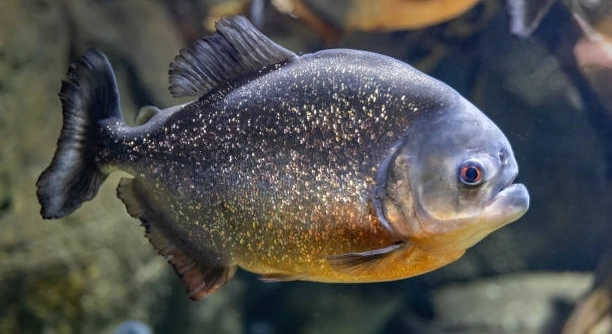
Piranhas are often seen as fierce and dangerous fish, but their behavior can also reveal quieter, more surprising traits. Observing them in calm moments helps us understand their true nature beyond the usual fearsome reputation. These subtle behaviors show a different side of piranhas.
Piranhas demonstrate complex social interactions, cautious feeding habits, and environmental awareness during quiet moments. These behaviors highlight their adaptability and survival strategies, which go beyond their aggressive image and reveal a more nuanced understanding of their role in aquatic ecosystems.
These moments teach us about the balance piranhas maintain between aggression and cooperation. Exploring these behaviors offers new insights into how these fish live and thrive in their habitats.
Silent Social Signals
Piranhas are often thought of as solitary hunters, but quiet moments reveal a different story. They use subtle body language and positioning to communicate within their groups. During calm times, they maintain a kind of order, avoiding unnecessary fights. These signals help them establish social hierarchies without aggressive encounters. When a piranha approaches another, small movements such as fin flicks or changes in swimming speed can mean respect or warning. This reduces conflict and keeps the group stable. Watching them closely, you might notice how they space themselves and swim in patterns that prevent chaos. These behaviors are key to their survival, especially when food is scarce, and competition is high. Quiet interactions allow piranhas to coexist and work together, showing their intelligence beyond just being fierce predators.
In peaceful moments, these fish display cooperation rather than aggression. Their social balance helps the group stay safe and efficient in finding food.
Understanding these silent signals can change how you see piranhas—not just as fighters, but as smart, social creatures managing their environment carefully.
Patience in Feeding
Piranhas do not always rush into feeding frenzies. Sometimes, they wait calmly, assessing the situation before attacking. This patience is a strategic behavior that prevents wasted energy and reduces injury risk. Instead of diving in immediately, they observe the food source and the actions of other fish. This approach allows them to coordinate their strikes and avoid unnecessary competition. By waiting quietly, they increase the chances of a successful meal and keep the group organized. This behavior is especially noticeable when the food is scarce or when piranhas face larger or stronger opponents. The quiet moments of patience show their ability to plan and cooperate, rather than just act on instinct.
This patience reflects the piranha’s survival skills in challenging environments.
Quiet waiting times reveal that piranhas rely on more than just brute force—they use calm judgment to thrive.
Environmental Awareness
Piranhas are sensitive to changes in their surroundings. They often pause and observe quietly when something new or unusual appears in the water. This cautious behavior helps them avoid danger and adapt to shifts in their habitat. For example, when the water temperature changes or predators approach, piranhas become alert but remain still to gather information. These moments of stillness are essential for their survival. They help the fish decide whether to flee, hide, or prepare to defend themselves. Watching this behavior shows how piranhas respond not just with aggression, but with awareness and care for their safety. This attentiveness in quiet moments is a reminder that they are active thinkers in their environment, balancing risk and reward in everyday life.
Their ability to sense and react calmly to changes is part of what keeps them strong in the wild.
Recognizing this helps us appreciate how piranhas manage threats beyond just attacking.
Group Resting Behavior
Piranhas often rest quietly in groups during low activity periods. This behavior helps them conserve energy and stay protected from predators.
Resting in groups allows piranhas to remain alert while reducing individual risk. By staying close, they can detect danger more quickly and warn each other with subtle movements. This group rest also strengthens social bonds within the school. It’s not just about safety; resting together helps maintain the social order that keeps aggression low during calm times. The quiet togetherness shows a side of piranhas that is less about fighting and more about cooperation.
Observing this behavior highlights their need for both rest and connection. Group resting is an important survival strategy that balances safety and social interaction in their natural habitat.
Calm Exploration
Piranhas quietly explore their surroundings, using small, deliberate movements. This careful approach reduces the chance of startling other animals or exposing themselves to predators.
Exploration is key for finding food and new hiding spots. Piranhas move slowly and watchfully, especially in unfamiliar areas. They use their senses to gather information without rushing or causing disturbance. This calm behavior reflects patience and intelligence, showing that piranhas are more thoughtful than their reputation suggests. They adapt their movements to the environment, always aware of potential risks. This measured exploration helps them stay safe and increases their chances of survival in complex river systems. The quiet moments of discovery are as important as their feeding or social behaviors.
Subtle Territory Marking
Piranhas mark their territory quietly to avoid unnecessary fights. They use small movements and water currents to signal boundaries without aggression.
This subtle marking helps maintain peace within the group and reduces energy spent on conflicts. It’s a gentle way of keeping order in their environment.
Silent Communication
Piranhas use body language to communicate without sound. Changes in posture and fin movements convey warnings or social cues.
This quiet communication helps coordinate group behavior efficiently. It prevents misunderstandings and keeps the school functioning smoothly even during tense moments.
Resting in Shade
Piranhas often rest in shaded areas to stay cool and hidden from predators. This quiet behavior helps them conserve energy.
Observing Water Currents
Piranhas pay attention to water currents to locate food and avoid danger. This careful observation is part of their survival strategy.
FAQ
Why do piranhas sometimes stay still for long periods?
Piranhas stay still to conserve energy and avoid attracting predators. When food is scarce or danger is near, remaining motionless helps them blend with their surroundings. This quiet behavior also allows them to observe changes in the environment carefully before making any moves. Staying still can be a strategy to reduce risk and prepare for the right moment to act.
How do piranhas communicate without making noise?
Piranhas rely on body language and subtle movements for communication. Changes in fin position, swimming speed, or body posture send messages to other fish. These silent signals help establish social order, warn of danger, or signal feeding readiness. Because water carries sound differently, quiet communication helps them avoid alerting predators or prey.
Are piranhas always aggressive?
No, piranhas are not always aggressive. They display a range of behaviors, including calm and cooperative ones. Aggression usually happens when food is involved or during territory disputes. In quiet moments, they focus on social bonding, resting, and environmental awareness. Understanding this helps to see them as balanced creatures, not just fierce hunters.
What role does group resting play in piranha behavior?
Group resting helps piranhas conserve energy and stay safe. By resting close together, they can detect threats quickly and support social bonds. This behavior reduces conflict and keeps the group organized. It’s a peaceful moment that strengthens their chances of survival and highlights their social nature.
How do piranhas decide when to attack?
Piranhas wait patiently and assess before attacking. They watch their surroundings and the behavior of others to pick the best moment. This careful approach reduces injury risk and maximizes success. Attacking only when conditions are right shows their ability to plan rather than act purely on instinct.
Why do piranhas explore slowly and quietly?
Slow and quiet exploration helps piranhas avoid attracting predators and startling prey. Moving carefully lets them gather information about food sources or threats without revealing their presence. This cautious behavior increases their survival chances and shows their intelligence.
How do piranhas mark their territory without fighting?
They use subtle movements and changes in water currents to mark territory. These gentle signals reduce the need for aggressive confrontations. This quiet marking maintains peace within groups and helps manage space efficiently.
What benefits do piranhas gain from observing water currents?
Water currents carry scents and signals that guide piranhas to food and alert them to danger. By paying close attention, they improve their chances of finding meals and avoiding predators. This careful observation is an important survival skill in their dynamic habitat.
Do piranhas rest in specific places?
Yes, piranhas often rest in shaded or hidden spots. These areas offer protection from predators and help regulate their body temperature. Resting quietly in these safe spaces conserves energy for active times and reduces stress.
Can quiet moments tell us more about piranha intelligence?
Absolutely. Quiet moments show that piranhas use more than just aggression. Their social signals, patient feeding, and cautious exploration reveal thoughtful behavior and adaptability. Observing these moments helps us appreciate their complexity beyond the common myths.
Piranhas are often seen only as fierce, aggressive fish, but there is much more to them than just their sharp teeth and hunting skills. Quiet moments with piranhas reveal behaviors that show patience, cooperation, and careful thinking. These fish use subtle signals to communicate and avoid unnecessary fights, which helps them live in groups without constant conflict. Their calm resting times and slow exploration demonstrate how they balance energy use and safety. Understanding these behaviors helps us see piranhas as complex creatures with many sides to their nature.
Their ability to observe their surroundings and respond carefully is also important. Piranhas pay attention to water currents and changes in their environment, which helps them find food and avoid danger. This careful observation and measured action show that they are more thoughtful than their reputation suggests. They do not always rush into action but wait for the right moment, which increases their chances of survival. These quiet behaviors are key to how piranhas live successfully in their habitats, and they reveal a smart side to these fish that many people don’t expect.
Looking closely at the quieter side of piranhas encourages a deeper respect for them. They are not just aggressive hunters but also social animals who use calm, subtle actions to manage their lives. These behaviors teach us that even animals known for strength and power rely on patience, cooperation, and awareness. By paying attention to these quiet moments, we gain a better understanding of how piranhas fit into their environment and how they survive. This knowledge helps balance the common ideas about piranhas and shows their true nature more clearly.

Hello,
If you enjoy the content that we create, please consider saying a "Thank You!" by leaving a tip.
Every little bit helps us continue crafting quality advice that supports the health, happiness, and well-being of pets around the world, for pets of all shapes, sizes, and species.
We really appreciate the kindness and support that you show us!