
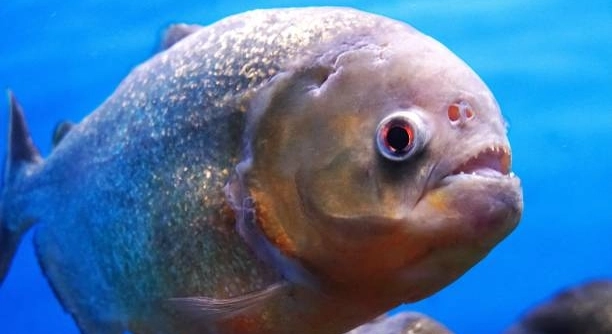
Piranhas are fascinating fish known for their sharp teeth and strong survival skills. Keeping them healthy means paying attention to their immune system. Healthy piranhas can better resist diseases and live longer in their environment.
Strong immune health in piranhas is indicated by clear eyes, smooth scales, active behavior, good appetite, proper breathing, consistent coloration, and normal swimming patterns. These signs reflect a well-functioning immune system capable of fighting infections effectively.
Recognizing these signs helps maintain piranhas’ well-being and supports their natural ability to thrive in various aquatic settings.
Clear Eyes and Smooth Scales
Clear eyes in piranhas are a strong sign of good health. When their eyes are bright and free of cloudiness, it usually means their immune system is working well. Smooth, intact scales also indicate that the fish is not stressed or fighting infections. Scales protect piranhas from harmful bacteria and parasites, so any damage or discoloration could be a warning sign. Healthy piranhas tend to have shiny scales that lay flat against their bodies. When scales look rough, raised, or have spots, it may suggest an immune response to illness. Paying close attention to these physical features can help spot problems early and prevent them from worsening.
Clear eyes and smooth scales are essential visual markers to quickly assess piranha health. They provide a simple way to monitor immune strength without complex tests.
Regularly checking these traits allows you to catch signs of disease early, helping piranhas stay strong and active.
Active Behavior and Good Appetite
Active swimming and a healthy appetite are key indicators of a strong immune system in piranhas. Fish that move confidently and respond quickly to their environment are generally healthy. Piranhas that eat well show they have enough energy and good digestion, both linked to immune health.
When a piranha is sluggish or refuses food, it may be fighting off an infection or stress. Lack of movement and poor appetite often happen before visible signs of illness appear, making these behaviors important early clues. A strong immune system supports the fish’s energy levels and ability to feed properly, which in turn helps maintain overall health. Watching these daily habits provides valuable insight into how well a piranha’s immune defenses are functioning.
Encouraging a balanced diet and a stable environment helps keep piranhas active and eating regularly, which supports their immune health.
Proper Breathing
Proper breathing shows a piranha’s immune system is functioning well. Normal, steady gill movement means the fish is comfortable and healthy. Rapid or labored breathing can signal stress or illness.
When piranhas breathe smoothly, their bodies are efficiently exchanging oxygen, which supports immune responses. If breathing becomes irregular or fast, it could be a sign of low water quality, infection, or parasites. Monitoring breathing patterns daily helps catch problems early before they worsen. Healthy gill function is crucial because oxygen is needed for all bodily processes, including fighting disease. Ensuring good water conditions and minimizing stress supports proper breathing and overall immune strength.
Sometimes, subtle changes in breathing are easy to miss, but they can reveal much about a piranha’s health. Keeping the tank clean and stable helps maintain steady breathing rhythms.
Consistent Coloration
Piranhas with consistent coloration usually have strong immune health. Bright, even colors suggest the fish is not under stress or fighting illness. Changes in color, such as fading or dark spots, can indicate immune challenges or environmental problems.
Color shifts often happen when a fish’s body is working hard to defend against pathogens or recover from injury. Stress from poor water quality or improper diet can also cause colors to dull. Observing a piranha’s color regularly helps track its health over time. Vibrant, stable coloration reflects a balanced immune system and overall well-being.
Keeping the tank conditions stable and providing a nutritious diet supports healthy coloration and strengthens immune defenses. Noticing even slight changes early allows for timely care and improves recovery chances.
Normal Swimming Patterns
Normal swimming patterns indicate a healthy immune system in piranhas. Smooth, steady movements show the fish is free from stress and illness. Erratic or slow swimming may signal health issues.
Observing how a piranha moves can reveal its physical and immune condition. Consistent swimming means the fish is strong and well.
Absence of Visible Wounds
Piranhas with no visible wounds tend to have stronger immune defenses. Wounds can invite infections and weaken health, so intact skin is a good sign.
Keeping the tank clean and stress low reduces injuries, helping piranhas maintain healthy, unbroken skin.
Regular Interaction with Environment
Piranhas that interact regularly with their surroundings show good immune health. This behavior includes exploring, feeding, and responding to stimuli.
Active engagement means the fish’s immune system is strong enough to support normal behavior and energy levels.
Healthy Weight
Maintaining a healthy weight is a sign of strong immune health in piranhas. Weight loss or gain often signals underlying problems.
Balanced nutrition and a stable environment help keep piranhas at their optimal weight.
How can I tell if my piranha’s immune system is weak?
Signs of a weak immune system in piranhas include lethargy, loss of appetite, cloudy eyes, damaged scales, abnormal breathing, and unusual swimming patterns. If you notice these symptoms, it often means the fish is stressed or fighting an infection. Early detection is key to preventing more serious health problems. Regular observation of your piranha’s behavior and physical condition helps catch warning signs before they become severe.
What should I do if my piranha shows signs of illness?
If your piranha displays symptoms like sluggishness or damaged scales, start by checking water quality. Poor water conditions often stress fish and weaken immunity. Perform partial water changes, test for ammonia, nitrites, and nitrates, and maintain stable temperature. Isolate the sick fish if possible to prevent spreading disease. Consult a vet or aquatic specialist for appropriate treatments like medicated food or antibiotics, depending on the diagnosis.
How does water quality affect a piranha’s immune health?
Water quality directly impacts a piranha’s immune system. High ammonia, nitrite, or nitrate levels can cause stress and weaken defenses. Dirty or poorly filtered water increases the risk of infections and parasites. Maintaining clean, well-oxygenated water with stable pH and temperature supports immune function and overall health. Regular tank maintenance is essential for keeping piranhas strong and disease-free.
Can diet influence the immune system of piranhas?
Yes, diet plays a crucial role in piranha immune health. A balanced diet rich in protein, vitamins, and minerals strengthens their natural defenses. Feeding varied foods like pellets, frozen or live fish, and occasional vegetables provides essential nutrients. Poor nutrition weakens the immune system, making piranhas more prone to illness. Avoid overfeeding, as excess waste can harm water quality and indirectly affect immunity.
Is stress a factor in weakening piranha immunity?
Stress is a major factor that lowers immune strength in piranhas. Causes include overcrowding, sudden changes in water conditions, aggressive tank mates, and poor diet. Stress triggers physiological responses that suppress immune function and increase susceptibility to diseases. Minimizing stress by providing a proper environment, stable water parameters, and compatible tank mates helps maintain strong immunity.
How often should I monitor my piranha’s health?
Monitoring should be daily or at least several times a week. Regular observation allows you to notice changes in behavior, appetite, breathing, or appearance early on. Catching issues quickly can prevent serious illness and help keep the immune system strong. Keeping a health log can be helpful to track any changes over time.
Can tank mates affect my piranha’s immune health?
Yes, inappropriate or aggressive tank mates can stress piranhas and lower their immunity. Stress from constant fighting or bullying weakens their ability to fight infections. It’s important to choose tank mates carefully and ensure enough space and hiding spots. A peaceful community helps maintain a healthy environment and strong immune systems.
What are common diseases related to weak immunity in piranhas?
Common diseases include bacterial infections, fungal growths, parasitic infestations, and fin rot. These often develop when the immune system is compromised due to stress, poor water quality, or injury. Symptoms include discoloration, open wounds, abnormal swimming, and loss of appetite. Prompt treatment and improving tank conditions are crucial for recovery.
Are there supplements that can boost my piranha’s immune system?
Some fish foods include vitamins and probiotics designed to support immunity. Adding these supplements occasionally can help strengthen your piranha’s defenses. However, the best support comes from a balanced diet, clean water, and low-stress conditions. Overuse of supplements is unnecessary and can sometimes cause harm if not used correctly.
How can I create the best environment for a healthy immune system in piranhas?
Maintaining stable, clean water with proper filtration, temperature, and pH is essential. Provide a spacious tank with hiding places to reduce stress. Feed a varied, balanced diet and avoid overcrowding. Regular tank maintenance and close monitoring of fish behavior contribute to a strong immune system and long-lasting health.
Maintaining strong immune health in piranhas is essential for their well-being and longevity. Paying attention to clear eyes, smooth scales, active behavior, and proper breathing gives important clues about their health. These signs are simple ways to check if your piranha is doing well without complicated tests. A healthy immune system helps fish fight infections and adapt to changes in their environment, which means they are more likely to thrive and avoid illness. Watching your piranha’s behavior and appearance regularly can catch problems early before they become serious.
Good water quality and a balanced diet play big roles in supporting a piranha’s immune system. Clean, well-filtered water with stable temperature and pH reduces stress and keeps their defenses strong. Feeding varied and nutritious food provides essential vitamins and proteins needed to fight off disease. Stress from overcrowding, sudden changes, or aggressive tank mates can weaken immunity, so keeping a peaceful, stable tank is very important. When fish are not stressed and have the right nutrition, their immune system works better, helping them stay healthy and active.
Overall, caring for piranhas means paying close attention to their daily habits and tank conditions. Regular monitoring, good water maintenance, proper feeding, and stress reduction are key to strong immune health. Being aware of the signs of immune strength and weakness allows you to respond quickly and provide the best care. With consistent care and observation, piranhas can enjoy a longer, healthier life in their environment. Taking these simple steps ensures they remain strong and able to resist illness naturally.

Hello,
If you enjoy the content that we create, please consider saying a "Thank You!" by leaving a tip.
Every little bit helps us continue crafting quality advice that supports the health, happiness, and well-being of pets around the world, for pets of all shapes, sizes, and species.
We really appreciate the kindness and support that you show us!